Now Reading: Anti-reservation protests escalate as Karni Sena vows to boycott elections
-
01
Anti-reservation protests escalate as Karni Sena vows to boycott elections

Anti-reservation protests escalate as Karni Sena vows to boycott elections

The Story in Brief
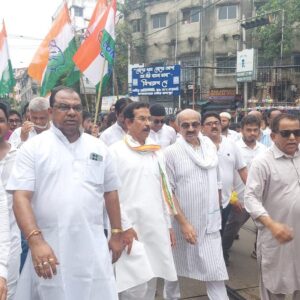
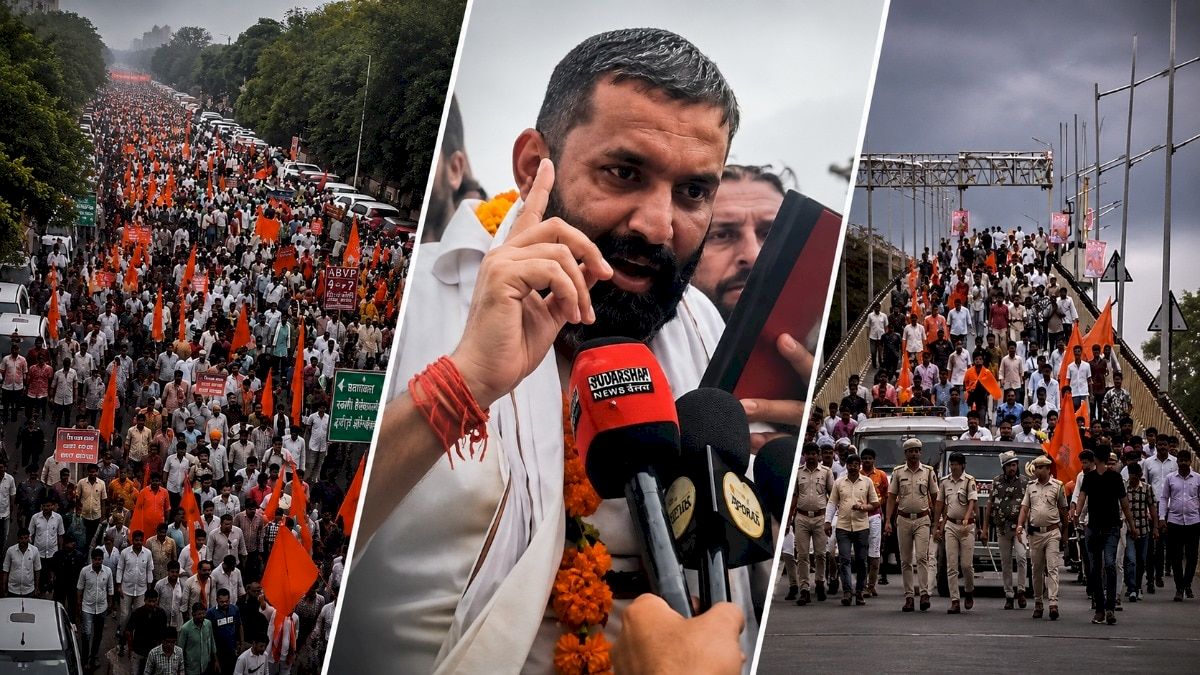
The past weeks have seen anti‑reservation protests and growing online mobilisation across several Indian cities. Demonstrations have been reported in Nagpur, Lucknow, Jaipur and Visakhapatnam, while the Reservation Hatao Andolan (RHA) Instagram page has gained about 5.9 million followers and held its first on‑ground rally in Nagpur. Harsh Dubey, who spoke out during a TV debate on a NEET paper leak, has become a prominent face of the campaign and is awaiting permission to protest at Jantar Mantar. In Jaipur, members of the Shri Rajput Karni Sena clashed with police over the now‑stayed UGC equity regulations; leaders alleged one death and vowed not to vote for the BJP in upcoming local body polls. RHA and other influencers – including Anand Ranganathan, Ajeet Bharti and Anuradha Tiwari – have floated policy proposals such as shifting to income‑based reservations. The movement appears fragmented but louder online and offline, and arrives after CJP‑led protests that preceded the resignation of Education Minister Dharmendra Pradhan.
The Indian Opinion
Coverage and commentary around these protests contain strongly polarised and sometimes dramatic claims. The article records assertions-such as reservation causing student distress or sweeping threats to electoral choices-without systematic evidence in the text to judge causation or size of support. Large social‑media followings and isolated street actions can amplify a viewpoint, but do not by themselves prove broad public consensus. The story also notes fragmentation among organisers and varied demands. An ordinary reader should therefore treat reports of momentum and electoral impact as plausible but not yet established facts, and recognise that more data would be needed to assess wider public opinion and likely policy outcomes.
This story was summarised and commented on by AI from the source linked above.
The Story in Brief
A group called the RHA has proposed replacing caste-based reservation with income-based reservations, arguing that “poverty has no caste”. Its five-point plan includes “one family, one reservation, one time”, a minimum qualifying mark for all categories, transferring unfilled reserved seats to the general category, periodic reviews to remove economically advanced communities from the reservation list, and a “sunset clause” to phase out reservations as educational inequality narrows. The RHA also seeks a ban on political parties promising new or higher reservation quotas at elections. The movement has used social media to criticise the current caste-based system, saying it disadvantages economically weaker students from the general category and privileges caste over merit.
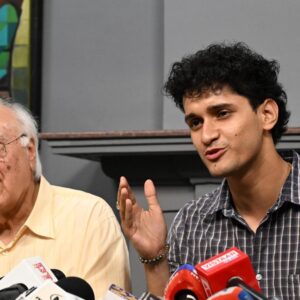
Vedant, who said he started the RHA Instagram page to begin national discussion, wrote on X that his aim was to encourage debate rather than immediate agitation. He also clarified that the RHA handle had not been “hijacked” by Bharti, responding to critics who suggested otherwise. The article notes that some earlier anti-reservation voices had called for scrapping the whole system, but said such proposals would face political, constitutional and judicial hurdles.
The Indian Opinion
The debate summarised here contains several strong positions that merit cautious scrutiny. Calls to scrap caste-based reservations entirely are sweeping and, as the article notes, would face legal and political barriers; presenting them without that context can seem one-sided. The RHA’s income‑based proposal and sunset clause are significant policy shifts that would affect many people, yet the report is light on empirical evidence about likely impacts. Social media advocacy can focus attention but may simplify complex links between caste, poverty and access to education. An ordinary Indian reader would reasonably expect fuller data, clear legal analysis and wider consultation before judging whether these reforms are feasible or fair.
This story was summarised and commented on by AI from the source linked above.
The Story in Brief
The RHA opposed the UGC’s 2026 Equity Regulations, arguing the norms would further entrench reservations and adversely affect educational standards. The group has used videos and graphics to mobilise supporters online and to broaden its reach. It frames the discussion around merit, equality and economic justice rather than caste identity, and its messaging found resonance at a demonstration in Visakhapatnam. For now the RHA appears focused on mainstreaming debate about reservation and has not launched nationwide street protests on the scale of leaders such as Harsh Dubey.
Central government‑appointed bodies have pursued more incremental reforms. The Justice G Rohini Commission (2017) recommended sub‑categorising the central OBC quota; the BP Sharma Expert Committee (2019) proposed revisions to the OBC creamy‑layer criteria. Neither panel recommended replacing caste with income as the basis for reservation or ending affirmative action. The Rohini recommendations remain unimplemented and creamy‑layer thresholds have been revised periodically. The union minister of state for social justice, Ramdas Athawale, posted an image of the RHA’s Instagram page with a cross over it, criticised attempts to incite youth and said reservation rights and Ambedkar’s constitutional guarantee were secure. Whether online momentum becomes a wider movement is uncertain.
The Indian Opinion
The reporting shows strong, sometimes polarised positions on reservation. Some actors present the debate principally in terms of merit and economic justice, which can underplay long‑standing caste‑based inequalities; others use shriller anti‑quota rhetoric that risks simplifying complex legal and social arrangements. Central panels cited in the story sought targeted adjustments rather than wholesale replacement of caste‑based reservations, a point that moderates radical claims on both sides. Given limited evidence that the RHA will mount nationwide protests, readers should be cautious about extrapolating short‑term online mobilisation into broad political change and look to committee recommendations and government responses for concrete proposals.
Original article: Anti-quota voices get shriller: Protesters take to streets, Karni Sena vows no vote (www.indiatoday.in)
This story was summarised and commented on by AI from the source linked above.
Related Posts



Stay Informed With the Latest & Most Important News
Previous Post
Next Post



Advertisement