Now Reading: IndiGo completes 20 years of operations as India’s largest airline
-
01
IndiGo completes 20 years of operations as India’s largest airline

IndiGo completes 20 years of operations as India’s largest airline

The Story in Brief
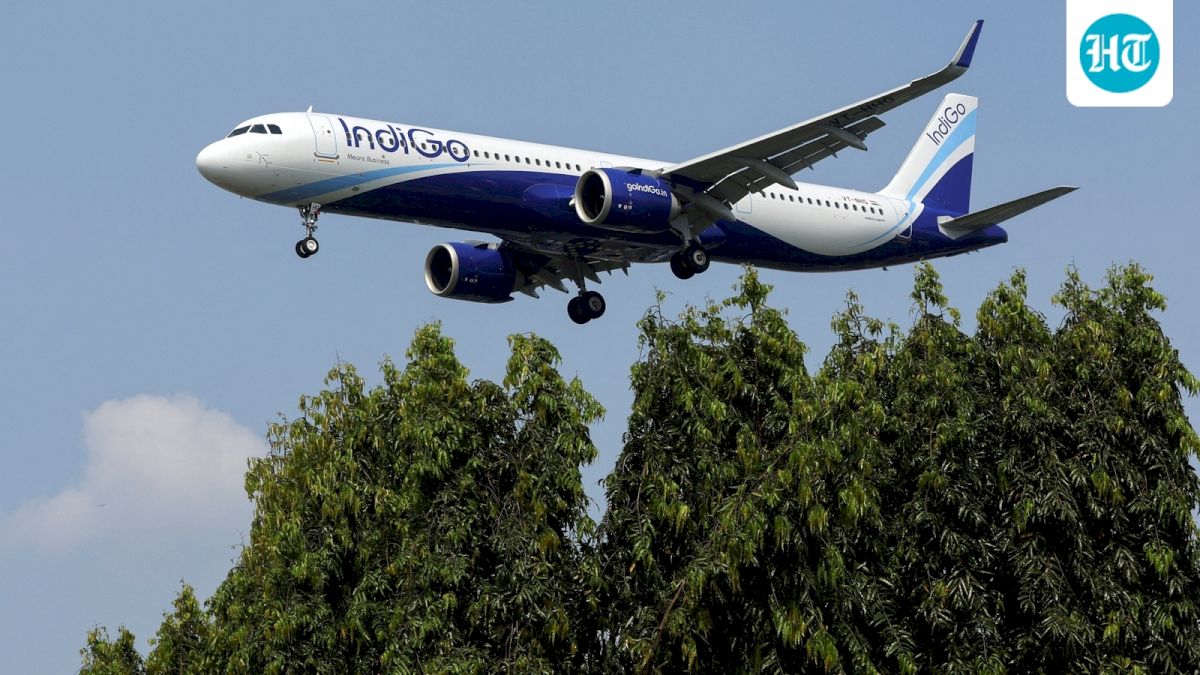
On 4 August 2006 IndiGo’s first flight left New Delhi for Guwahati via Imphal. Launched as a low-cost, no-frills carrier, the airline began on a non-metro sector to meet regulatory requirements and served regional routes. A small founding team including Bruce Ashby, Steve Harfst, Riyaz Peermohammed, S.C. Gupta, Captain Shakti Lumba and Sanjeev Ramdas built operations that reached break‑even and a small profit by 2008, began international services in 2011 and remained profitable through 2015. The company listed in November 2015 and founders’ shareholdings were diluted; the two original founders became billionaires. The shutdown of Jet Airways in 2019 helped IndiGo cross 50% domestic market share. A public dispute in 2019 led to Rakesh Gangwal’s exit. The airline faced pandemic losses of about ₹12,000 crore, later returned to profitability, hired Pieter Elbers in 2022 and gained board approval to order 60 A350s with options for 40. By its 20th birthday it operated 430 aircraft, had 500+ on order, over 65% market share, 140 destinations and about 68,000 employees; Willie Walsh had taken charge as CEO.
The Indian Opinion
The reporting contains some polarising labels and strong judgements that merit cautious reading. Calls that IndiGo was “the most hated airline” after the pandemic and assertions that critics are “far from convinced” about the move into long‑haul reflect sensationalised or broad claims that may not represent all customers, employees or market observers. At the same time, the article correctly records concrete events-founder disputes, a court‑ordered crew rest change, large pandemic losses, and an A350 order-and those facts justify scrutiny of governance and operational preparedness. Where the article attributes motive or widespread sentiment, readers should note limited evidence in the piece and the remaining uncertainty about how recent strategic moves will perform over time.
Original article: IndiGo@20 (www.hindustantimes.com)
This story was summarised and commented on by AI from the source linked above.
Related Posts
Stay Informed With the Latest & Most Important News
Previous Post
Next Post




Advertisement