Now Reading: Experts urge parents to reconsider seemingly harmless children’s play for safety reasons
-
01
Experts urge parents to reconsider seemingly harmless children’s play for safety reasons

Experts urge parents to reconsider seemingly harmless children’s play for safety reasons

The Story in Brief
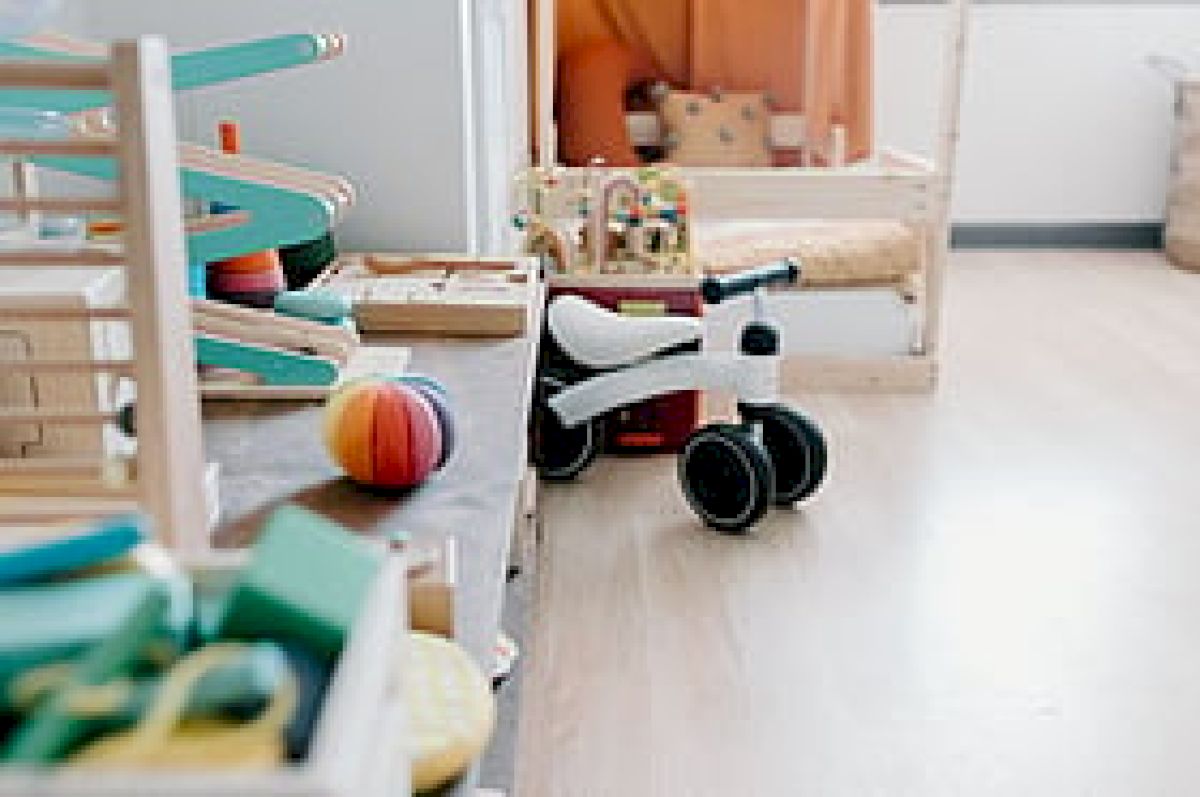
The signs of a growing child often appear in their room: a newborn who slept in a crib soon rolls, crawls and pulls up, and each milestone brings new hazards. Architects Ragini Raj Karthik and Siri Shekar advise designing rooms with safety integrated from the start – open layouts, rounded furniture edges, anti‑skid flooring, low‑VOC paint, and built‑in features such as child‑safe windows, soft‑close drawers and recessed electrical outlets. They warn against slippery finishes, loose rugs, sharp edges, horizontal window grills and materials that can release harmful chemicals.
Parenting creator Vandita Venessa Thomas recommends checking rooms from a child’s eye level to spot hazards: anchor heavy furniture, cover outlets, secure cords, remove choking items and keep medicines and cleaning products out of reach. Bookshelves, wardrobes and dressers that are not fixed can topple; loose cables, button batteries, decorative magnets and some indoor plants are also risks. Experts suggest a dedicated ‘yes place’, durable washable furniture and a neutral, adaptable foundation so the room can evolve as children grow.
The Indian Opinion
The article presents measured, practical guidance, but readers should be aware of two polar tendencies in discussion around child safety. One is alarmist messaging that treats many ordinary objects as grave threats and prompts unnecessary purchases; the piece counters this by urging parents to address major hazards first and create a safe play area. The other is an emphasis on built‑in, design‑led solutions without much attention to cost or feasibility for all households. Given differing home layouts and child behaviour, families may need to prioritise and phase changes rather than expect a single solution to fit every situation.
Original article: Child’s play? Think twice (www.newindianexpress.com)
This story was summarised and commented on by AI from the source linked above.
Related Posts



Stay Informed With the Latest & Most Important News
Previous Post
Next Post



Advertisement