Now Reading: US plans tariffs on Chinese polysilicon imports to counter Beijing
-
01
US plans tariffs on Chinese polysilicon imports to counter Beijing

US plans tariffs on Chinese polysilicon imports to counter Beijing

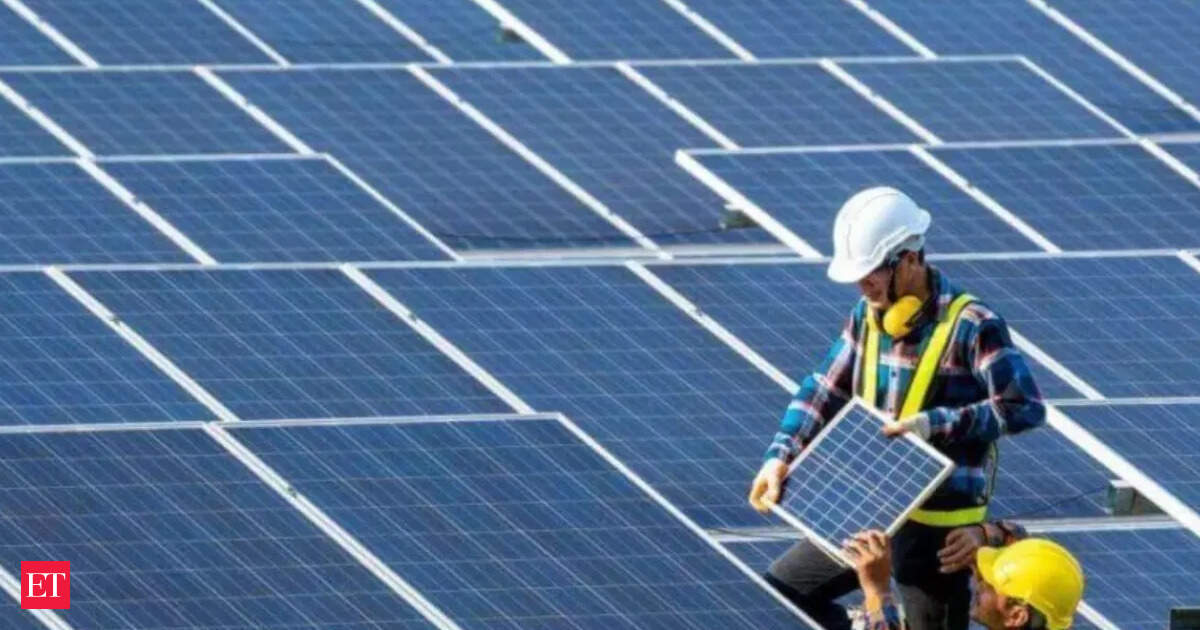
The Trump administration is preparing to set a price floor and impose tariffs on polysilicon and related products, according to four people familiar with the plan, putting a material critical to solar panels and semiconductors at the center of U.S. efforts to compete with China on artificial intelligence and energy. The decision, expected to come
The Story in Brief
The Trump administration is preparing to set a price floor and impose tariffs on polysilicon and related products, according to four people familiar with the plan, with a decision expected later this month. The move is intended to protect U.S. polysilicon factories owned by Hemlock Semiconductor and Wacker Chemie and forms part of a Commerce Department national security investigation under Section 232. Polysilicon is an ultra‑pure form of silicon used at the start of the semiconductor and solar supply chains; the chip industry accounts for about 2.4% of global polysilicon demand. The administration is considering a hybrid approach of a minimum import price plus tariffs, and sources say importers who invest in U.S. wafer and cell production would be allowed offsets for the costs of the trade protections.
China accounts for roughly 80% of global solar manufacturing capacity. U.S. solar manufacturing has grown since 2022 tax incentives but remains concentrated in panel assembly, leaving reliance on imported wafers and cells. Industry groups and some lawmakers say imports from non‑Chinese producers such as OCI and Wacker will be needed until domestic polysilicon, wafer and cell capacity expands. Critics warn tariffs could raise costs for solar projects and other products, and some manufacturers describe the solar industry’s involvement in the chip‑focused probe as “collateral damage.”
The Indian Opinion
The coverage frames the policy as both industrial protection and national‑security action, and voices on either side make strong claims: proponents point to the need to sustain domestic polysilicon supply for chips and jobs, while critics warn of higher costs for solar projects and downstream products. Readers should note both lines of argument rely on contested tradeoffs – protecting upstream producers can support new local investment, but tariffs may raise prices before domestic capacity scales up. The article cites industry groups, company moves up the supply chain, and diplomatic pushback from China; where outcomes hinge on future investment and timing, uncertainty remains and merits cautious judgement rather than alarmist or celebratory headlines.
Original article: US plans polysilicon tariffs to counter China (The Economic Times of India)
This story was summarised and commented on by AI from the source linked above.
Related Posts



Stay Informed With the Latest & Most Important News
Previous Post
Next Post




Advertisement