







Now Reading: US weighs tariffs and price floor on polysilicon to counter China
-
01
US weighs tariffs and price floor on polysilicon to counter China

US weighs tariffs and price floor on polysilicon to counter China

The Trump administration is preparing a hybrid price floor and tariff regime on polysilicon and related products, with a decision expected later this month, according to people familiar with the plan cited…
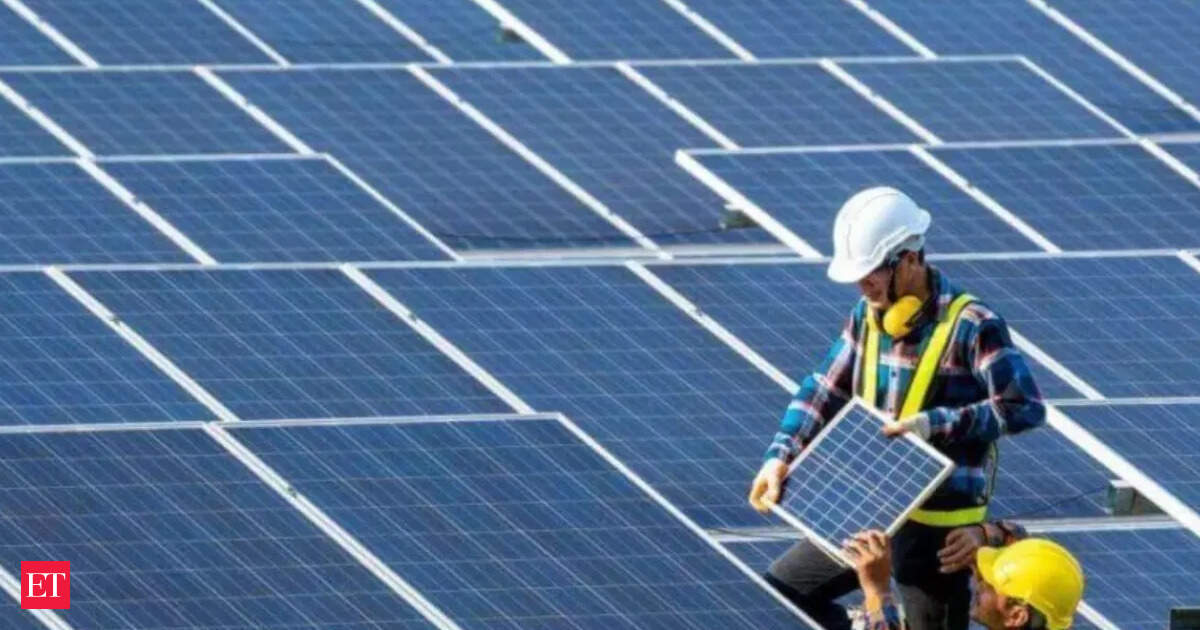
The Trump administration is preparing a hybrid price floor and tariff regime on polysilicon and related products, with a decision expected later this month, according to people familiar with the plan cited in the report. The move follows a Commerce Department Section 232 national security investigation and is intended to protect US polysilicon factories run by Hemlock Semiconductor and Wacker Chemie from Chinese competition. Polysilicon sits at the start of both the solar and semiconductor supply chains, and China accounts for about 80 per cent of global solar manufacturing capacity. US solar manufacturing has expanded since 2022 but remains concentrated in panel assembly, leaving producers dependent on imported wafers and cells. Some sources said importers investing in US wafer and cell production may receive offsets against the new trade measures. Industry groups have warned that tariffs could raise costs for solar projects and other products before domestic capacity grows.
Indian Opinion Analysis
The policy aims to secure a supply chain the administration links to both AI-related chip manufacturing and solar energy, but it also risks raising costs across an industry that still depends heavily on imported material. Industry groups representing solar developers and semiconductor buyers have warned the administration that tariffs could raise the cost of solar power plants and of products including consumer electronics and cars, and Heliene chief executive Martin Pochtaruk called the solar industry's role in the chip-focused investigation collateral damage. The administration's decision on the price floor and tariffs, expected later in August, will settle the design and the offset terms.
Source: The Economic Times of India
This brief was synthesised by AI from the source linked above.