




















Now Reading: 26/11 anniversary: Pakistan-based LeT network remains a global threat, say reports
-
01
26/11 anniversary: Pakistan-based LeT network remains a global threat, say reports

26/11 anniversary: Pakistan-based LeT network remains a global threat, say reports

The Story in Brief
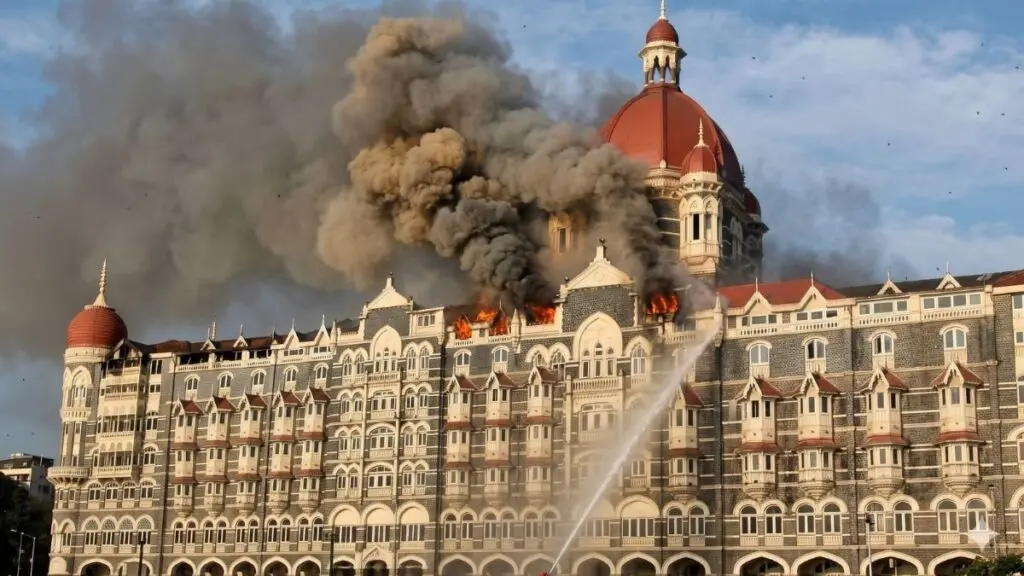
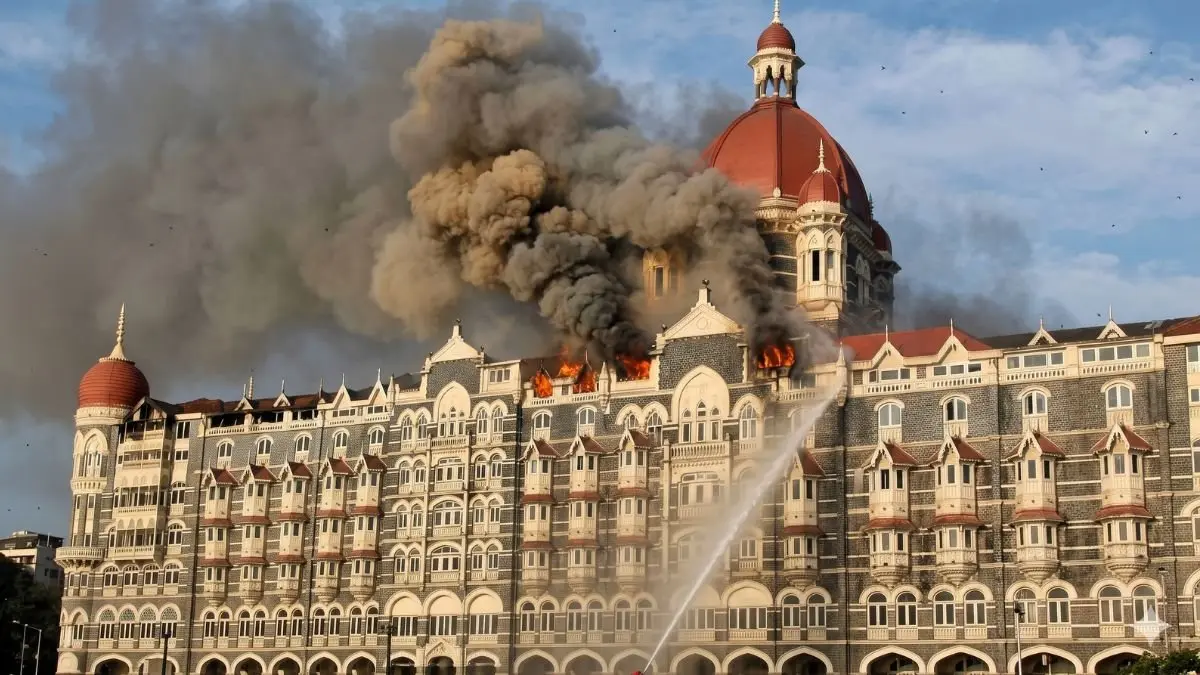
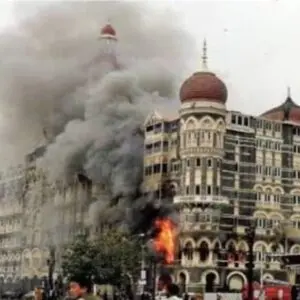
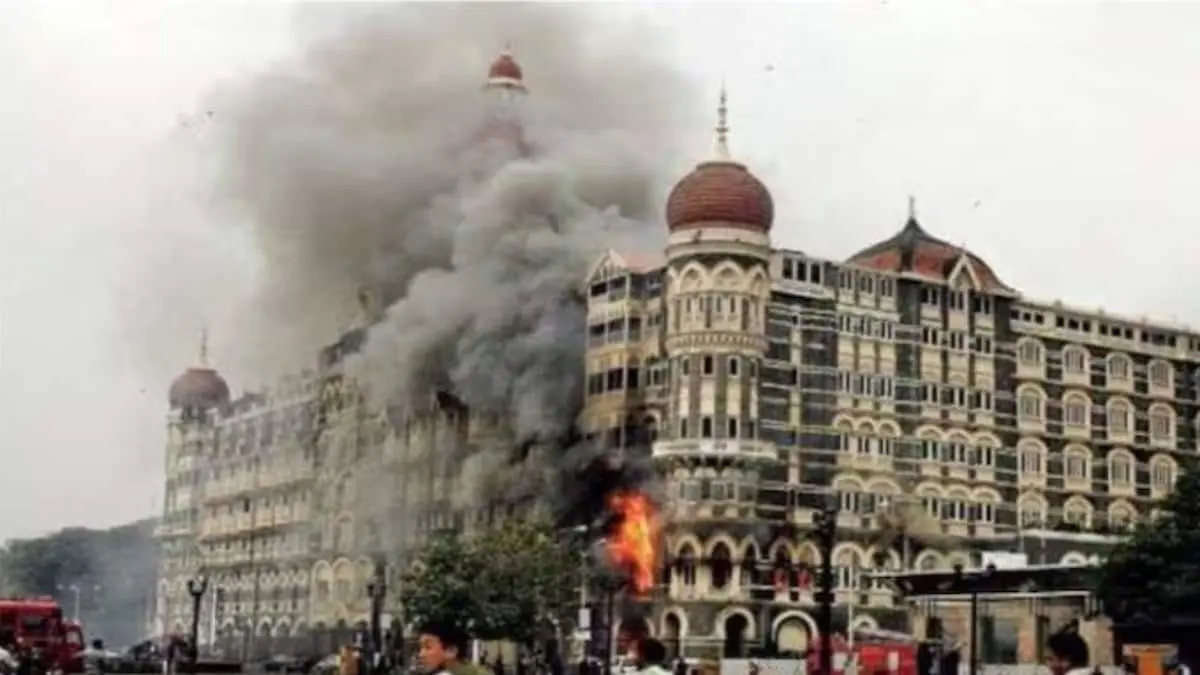
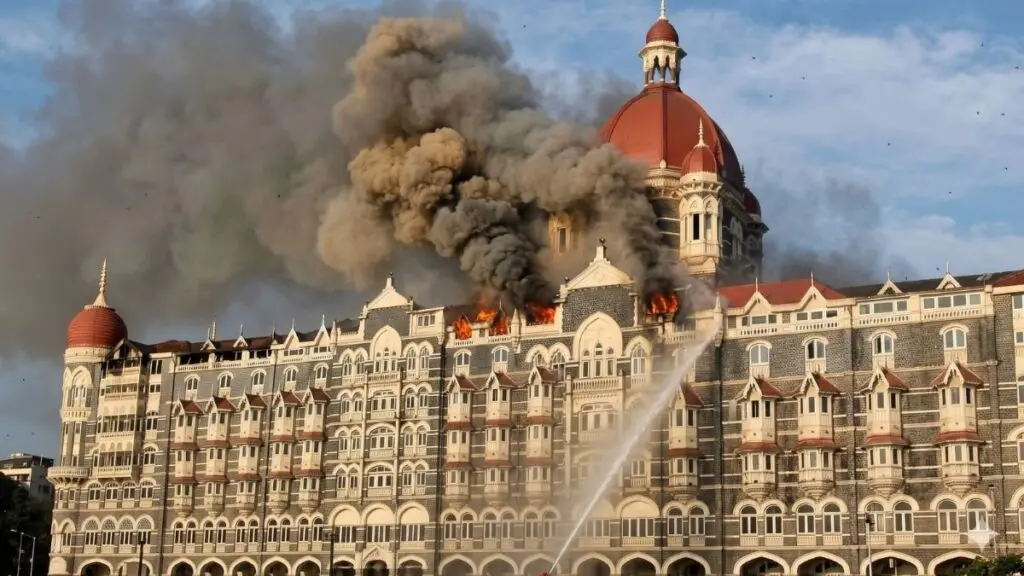
Eighteen years after the 26/11 Mumbai attacks, two reports on the anniversary highlight differing aspects of the assault that killed 166 people and injured over 300. DefenceXP argues the attacks were a globally coordinated operation, not merely an India-Pakistan issue, noting that handlers in Karachi used American VoIP servers, Belgian phone numbers, and hawala funds to direct the 10 Lashkar-e-Taiba (LeT) terrorists in real time. The outlet details how David Coleman Headley, a Pakistani-American, conducted reconnaissance and later plotted a foiled attack in Denmark, while Tahawwur Hussain Rana, extradited from the US in 2025, faces trial in India.

CNBC-TV18, in contrast, reports on Mumbai’s remembrance ceremonies and the lasting reforms triggered by the attacks, including a major overhaul of coastal security and intelligence coordination. The outlet notes that floral tributes are paid annually at the Mumbai Police headquarters and other targeted locations. Both reports agree that Ajmal Kasab, the lone terrorist captured alive, was tried and hanged in 2012, and that several masterminds remain beyond India’s reach, many believed to be based in Pakistan. The 60-hour siege ended with the intervention of the Mumbai Police, NSG, and Marine Commandos.
Indian Opinion Analysis
DefenceXP frames the 26/11 attacks as a transnational crime with global reach, focusing on the international network of communications, finance, and targets that connected Pakistan’s state-sheltered LeT to American servers, Belgian numbers, and European plots. CNBC-TV18, by contrast, presents the anniversary as a domestic commemoration of resilience and security reform, emphasising India’s post-2008 overhaul of counter-terrorism measures and local tribute ceremonies. The two outlets agree on the basic facts, 166 dead, Kasab hanged, Rana extradited in 2025, but DefenceXP omits any reform narrative, while CNBC-TV18 does not explore the wider global threat. A balanced reading combines the local human cost with the cross-border infrastructure that enabled it, both of which the Indian security establishment continues to monitor.
Coverage: 2 sources, 1 government-critical, 1 neutral
Sources (2): defencexp.com (government critical), cnbctv18.com (neutral report)
This brief was synthesised by AI from the 2 sources linked above, so one read covers every framing they carry. Methodology and corrections.