






















Now Reading: 32 Mumbai landslide hotspots still at risk, GSI survey warns
-
01
32 Mumbai landslide hotspots still at risk, GSI survey warns


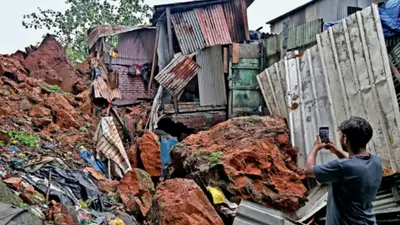
A Geological Survey of India reassessment of 32 highly vulnerable landslide sites in Mumbai has found that most remain in the same dangerous condition recorded in 2017-18. Surveyed between May 4 and 14 after the August 13 Ashok Nagar landslide that killed eight, the report flags unfinished mitigation, drainage problems, and settlements too close to slopes at locations including Vikhroli Parksite, Surya Nagar, and Rajiv Gandhi Nagar in Goregaon.
GSI has recommended site-specific measures, pre-monsoon maintenance, and relocation of exposed settlements. Additional municipal commissioner Avinash Dhakane said residents repeatedly return to slopes two days after being moved out. RTI activist Anil Galgali said the BMC must take firm action, noting it took 36 hours to locate missing persons after the Ashok Nagar landslide.
Indian Opinion Analysis
Mumbai's 249 landslide-prone zones were first mapped after the 2017-18 GSI study, but this reassessment shows that mitigation works have not kept pace with the densification of settlements on slopes. The Ashok Nagar death toll has not prompted the mass relocation that GSI and activists say is needed: residents return within days. The critical gap is enforcement. The BMC holds the power to seal hazardous structures under the Disaster Management Act, but it has not used it at scale. Watch for whether the BMC's 'concrete plan' actually serves eviction notices before the next monsoon, or if another fatal slide is needed to force action.
Source: timesofindia.indiatimes.com
This brief was synthesised by AI from the source linked above. Methodology and corrections.