













Now Reading: 39 Naga ancestral remains to arrive home on November 27
-
01
39 Naga ancestral remains to arrive home on November 27


The Story in Brief
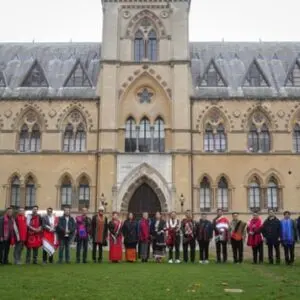
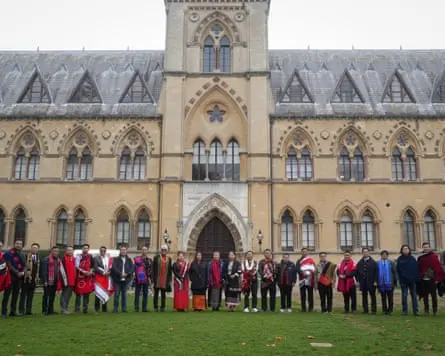
The University of Oxford has formally transferred custodianship of 39 Naga ancestral skeletal remains to the Naga people through the Naga Tribes Hoho and the Forum for Naga Reconciliation (FNR). The remains, taken from Nagaland by British colonial administrators between 1910 and 1940, had been held at the Pitt Rivers Museum for nearly 80 years. They include those of two children, a woman and a village chief.
The remains are scheduled to arrive in Nagaland on 27 November. A public homecoming programme will be held on 28 November at the NBCC Convention Centre in Kohima, followed by a public burial ceremony at Naga Solidarity Park on 30 November. The Guardian reports the repatriation followed six years of consultations and was initiated after anthropologist Dolly Kikon contacted the museum in 2020. The museum still holds around 6,500 Naga objects.
The Forum for Naga Reconciliation, the Naga Tribes Hoho, the Naga Students' Federation and the Naga Peoples' Movement for Human Rights have invited all Nagas to participate. “Until the lost are brought home, our healing remains incomplete,” the organisers said. India has no national law for the repatriation of Indigenous ancestral remains, unlike Australia, Canada and the US, Kikon noted.
Indian Opinion Analysis
The Guardian frames the story through the lens of colonial legacy, foregrounding the ethical review at Pitt Rivers Museum, the absence of Indian repatriation law, and the broader discourse on restitution of artefacts like the Koh-i-noor. The Nagaland Tribune leads with logistics: the arrival date, the homecoming programme, and the burial ceremony, presenting the event as a community-led act of closure. Both outlets agree on the core facts and the significance of the repatriation as a first for India. The Guardian adds context about the museum’s remaining holdings, the Nagaland Tribune focuses on the immediate ceremonies. The two reports together show a historic repatriation carried out by community effort, with the next concrete step being the public burial on 30 November.
Coverage: 2 sources, 1 government-critical, 1 neutral
Sources (2): theguardian.com (government critical), nagalandtribune.in (neutral report)
This brief was synthesised by AI from the 2 sources linked above, so one read covers every framing they carry. Methodology and corrections.