



















Now Reading: Air filters in operation theatres offer no extra benefit for cataract surgery: study
-
01
Air filters in operation theatres offer no extra benefit for cataract surgery: study

Air filters in operation theatres offer no extra benefit for cataract surgery: study

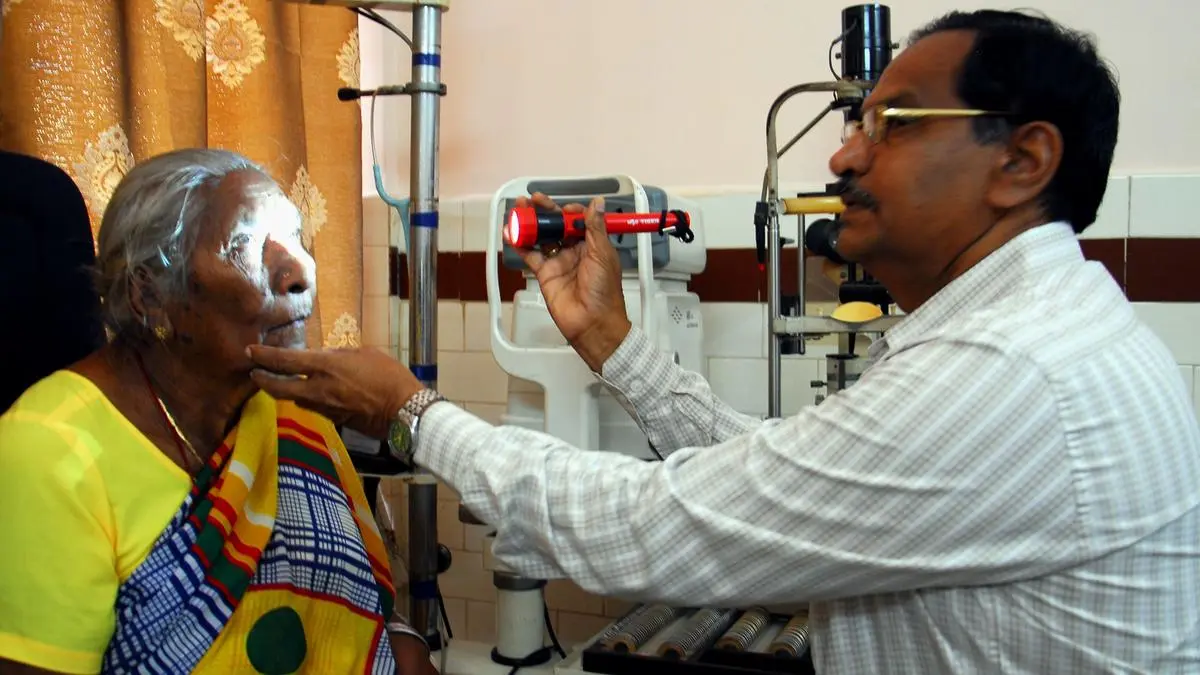
Advanced air filters in operation theatres do not reduce infection rates in cataract surgery, a large retrospective study by Aravind Eye Care System has found. Analysing 4,52,770 cataract surgeries performed across the network's 14 Indian hospitals in 2023, the study compared rates of postoperative endophthalmitis in rooms with laminar air flow and HEPA filters against those with standard air conditioning or split units. The overall infection rate was just 0.016 percent, with no statistically significant difference between ventilation types, the researchers reported in the American Journal of Ophthalmology.
The study concluded that mandating LAF or HEPA for ophthalmic surgery creates unnecessary cost and infrastructure barriers, especially in resource-limited settings, without improving outcomes. Aravind, which operates 14 hospitals in southern India and performs 50, 60 percent of its cataract surgeries free or at subsidised rates, said the finding should help make safe surgery more accessible globally. All surgeries followed identical aseptic protocols including povidone-iodine and intracameral moxifloxacin. A similar result was reported in a 2020 study from Dr. Shroff's Charity Eye Hospital in New Delhi.
Indian Opinion Analysis
Endophthalmitis after cataract surgery is rare but devastating: even a 0.016 percent rate across nearly half a million procedures means roughly 72 eyes infected in a single year. The study directly challenges a longstanding assumption built into many hospital accreditation guidelines, where LAF and HEPA have been treated as a gold standard for ophthalmic operating rooms. At roughly Rs 15, 25 lakh per operation theatre to install and maintain such systems, the finding could reshape how hospitals in India and other resource-limited settings allocate capital. Aravind Eye Care System runs the world's largest cataract surgery programme, so its data carries unusual weight. The next question for regulators and hospital planners is whether existing infection-control benchmarks should be rewritten to distinguish between what is proven to reduce infections and what is merely expensive convention.
Source: thehindu.com
This brief was synthesised by AI from the source linked above. Methodology and corrections.