


















Now Reading: Airfares rise 20% as airlines cut flights faster than demand falls
-
01
Airfares rise 20% as airlines cut flights faster than demand falls

Airfares rise 20% as airlines cut flights faster than demand falls

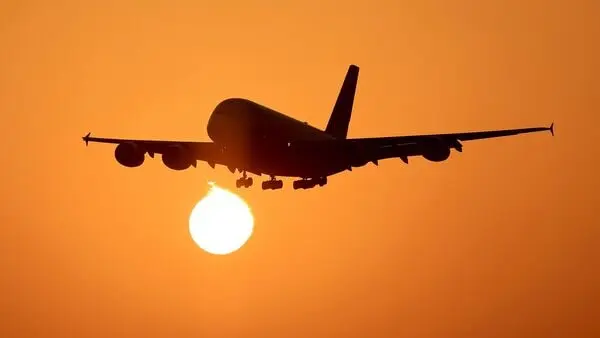
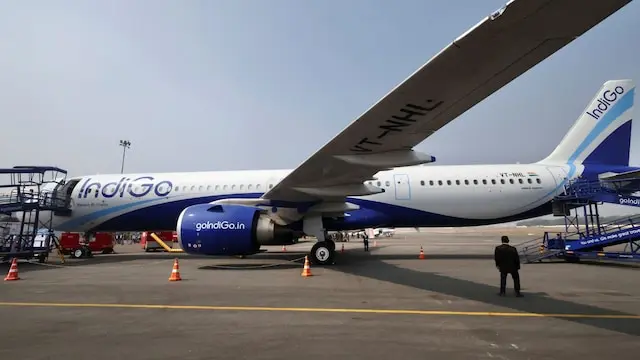
Average airfares across 72 domestic sectors rose about 20.5% between March 2025 and June 2026, according to DGCA data cited by the civil aviation ministry in a Rajya Sabha reply on 27 July. Analysts estimate a sharper increase of around 35%. Ticket prices now average Rs 7,000-7,500, up from Rs 5,000-5,500 a year earlier, Livemint reports.
Domestic passenger traffic grew just 0.64% year-on-year in January-July 2026, its slowest in five years, and July traffic fell about 5% from a year earlier. Yet airlines are cutting capacity faster: July departures fell to 82,258 from 89,217 in July 2025 and 92,066 in July 2024. Load factors remain above 85%, giving airlines little reason to lower fares.
S&P Global Ratings said in a 26 August report that Asia-Pacific airlines may keep prices high even if jet fuel eases, as passenger demand has proven inelastic. S&P estimated passenger yields rose 10-15% year-on-year as of June 2026. It expects margins to recover from the fourth quarter and assumes Brent crude will fall to $80 per barrel in 2027.
Indian Opinion Analysis
Livemint leads with capacity cuts and passenger traffic decline, framing rising fares as a supply-side issue that hurts travellers. BusinessLine leads with S&P's report, framing sustained high fares as a rational airline response to inelastic demand and fuel cost recovery. Both are factual but differ in emphasis: Livemint foregrounds the consumer pain, BusinessLine the airline economics. The two readings are not contradictory. Capacity is indeed shrinking, and airlines are also managing margins. The key number to watch is the passenger load factor: if it stays above 85%, fares will not soften soon.
Coverage: 2 sources, 2 neutral
Sources (2): livemint.com (neutral report), thehindubusinessline.com (neutral report)
This brief was synthesised by AI from the 2 sources linked above, so one read covers every framing they carry. Methodology and corrections.
Updated: this story now draws on 2 sources.