



Now Reading: Arshdeep Singh first Indian to 150 T20I wickets
-
01
Arshdeep Singh first Indian to 150 T20I wickets


The Story in Brief
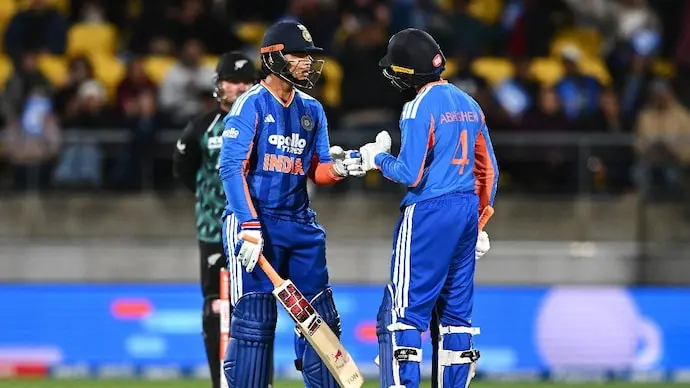
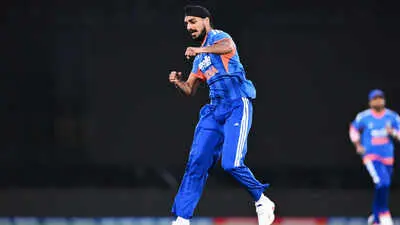
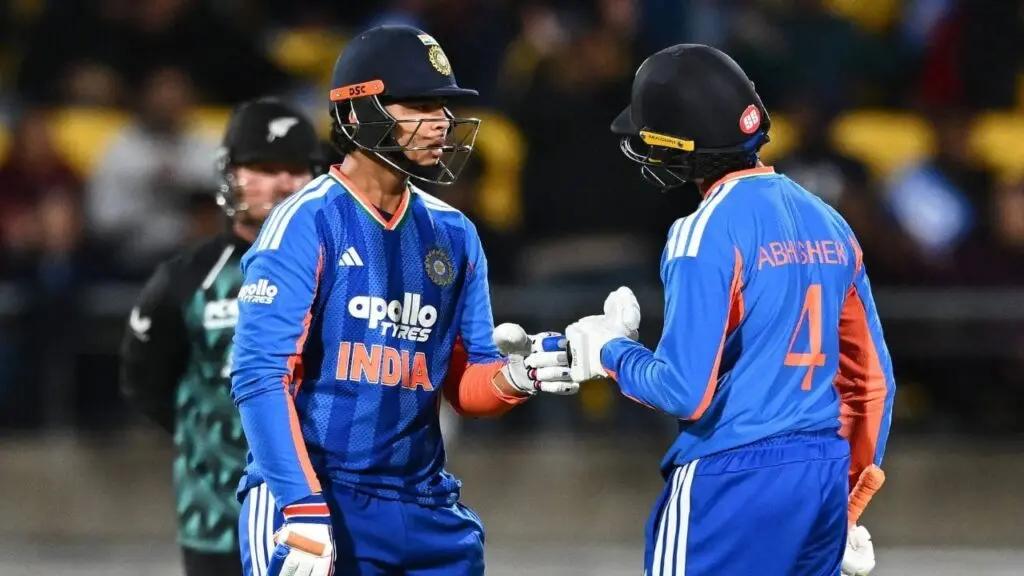
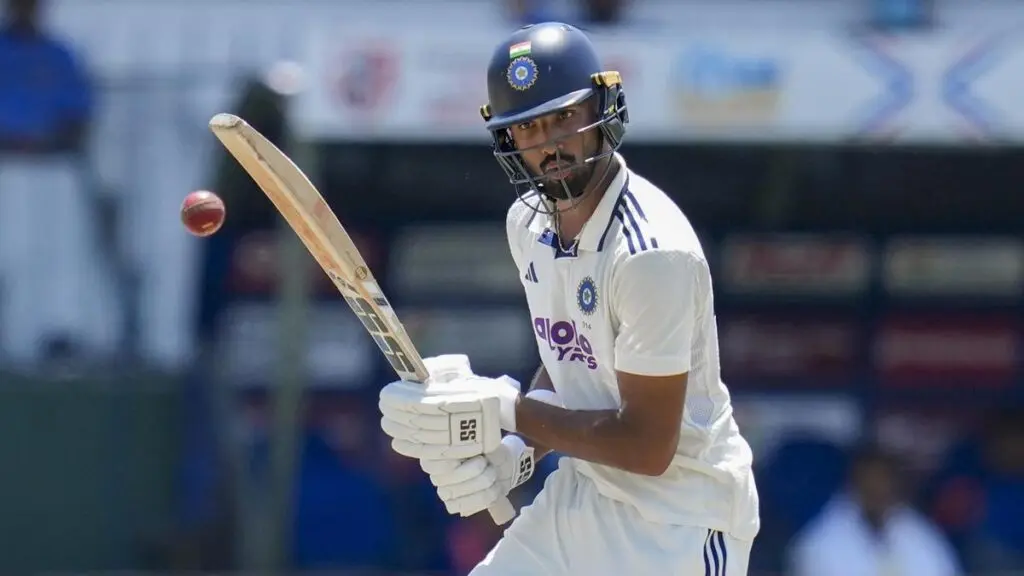
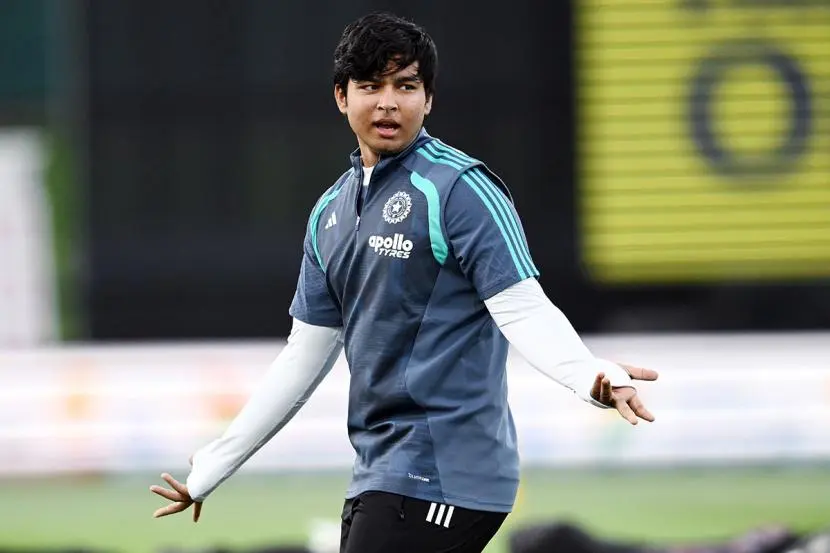
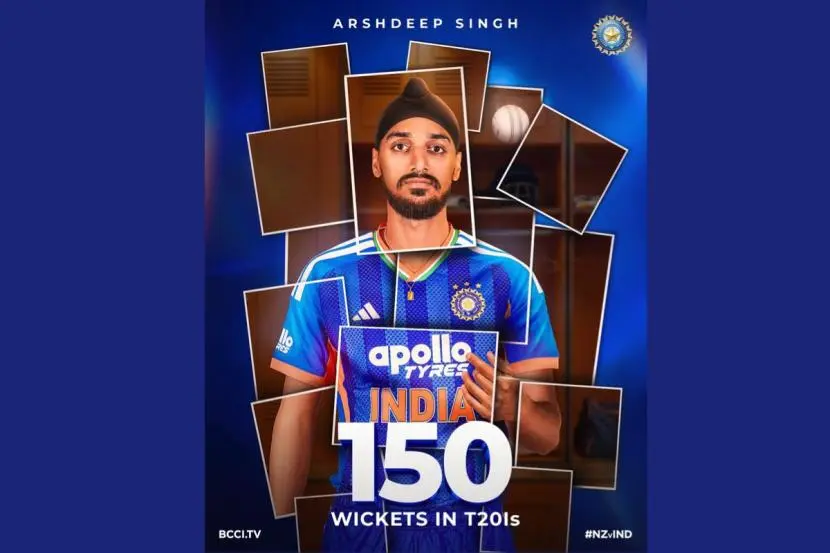
Arshdeep Singh became the first Indian bowler to take 150 wickets in T20 Internationals on Friday, 30 October 2026, during the fourth match against New Zealand at Eden Park in Auckland. He reached the milestone by dismissing New Zealand captain Mitchell Santner, and finished his spell with figures of 1/38, conceding the fewest runs among bowlers who completed four overs.
The left-arm pacer's record now reads 150 wickets in 103 matches at an average of 20.62 and an economy rate of 8.65, with best figures of 5/51. He is ninth on the all-time T20I wicket-takers list and the third seamer to reach the mark, after Tim Southee and Mustafizur Rahman.
Arshdeep also set a calendar-year record with 40 T20I wickets, surpassing Josh Little's 39 in 2022, and became the third-fastest to 150 wickets by deliveries, after Wanindu Hasaranga and Rashid Khan. The milestone came in a losing cause, with India falling to their first defeat of the series after New Zealand posted a 260-run target.
Indian Opinion Analysis
Both outlets delivered uniform straight reporting of the milestone, leading with the same statistic and the Santner dismissal, and neither framed the defeat as a dominant angle. They agree on every figure, from the 103-match tally to the 2,143 balls taken, and neither adds commentary beyond the record's context. The coverage's shared focus on records over the match result leaves the series impact, India's first loss, as the open thread. The next point to watch is how India respond in the remaining matches of the series.
The coverage is uniform and purely factual, so the balanced reading is that the achievement is clear-cut and uncontested. The only tension is the context: the milestone came in a heavy defeat, a point both sources note but do not dwell on. The concrete follow-up is the next match in the series, which neither source dates.
Coverage: 2 sources, 2 neutral
Sources (2): cnbctv18.com (neutral report), rediff.com (neutral report)
This brief was synthesised by AI from the 2 sources linked above, so one read covers every framing they carry. Methodology and corrections.