















Now Reading: Bengal bars future SSC teachers from politics, legal doubts persist
-
01
Bengal bars future SSC teachers from politics, legal doubts persist


The Story in Brief
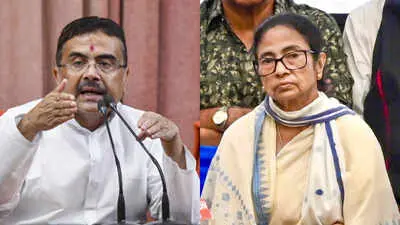
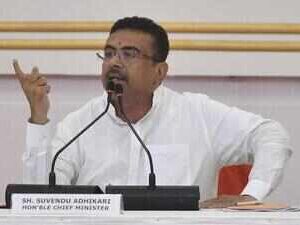
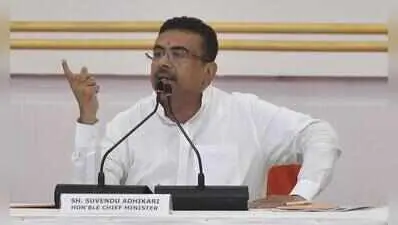
The West Bengal cabinet on Wednesday (28 October) decided that school teachers appointed through the School Service Commission from now on cannot join active politics or contest panchayat, municipal, assembly or Lok Sabha elections. Chief Minister Suvendu Adhikari announced the decision, citing similar restrictions in other states. The rule will not apply to existing teachers. The cabinet also approved 1,200 additional posts.
Legal experts questioned whether the move would withstand court scrutiny. Senior advocate Bikash Ranjan Bhattacharyya said any enabling amendment would be challenged, arguing it creates inequality between existing and future teachers. Senior advocate Samim Ahmed said the government must first amend existing laws. The current West Bengal Board of Secondary Education Rules allow teachers to contest elections with committee approval. The Central Civil Services Rules and Kendriya Vidyalaya code already prohibit political activity.
The opposition CPI(M) criticised the move, saying the government should focus on filling vacancies and improving infrastructure instead. CPI(M) leader Sujan Chakraborty said the state has failed to meet the 30:1 student-teacher ratio target. The government has cleared 60,000 posts across departments since forming government in May.
Indian Opinion Analysis
Both Times of India and New Indian Express reported the cabinet decision as the lead, but Times of India devoted substantial space to legal experts questioning the policy's constitutional validity and cited specific rules and Supreme Court precedents, while New Indian Express focused more on the government's announcement and included opposition criticism and the parallel industry policy. Neither outlet adopted a pro-government or critical stance, both presented the decision and the doubts. The legal questions Times of India detailed, on whether the restriction infringes fundamental rights and how grant-in-aid teachers differ from government employees, suggest the policy's implementation will face court challenges. The concrete next step is the enabling amendment the government must bring before the assembly.
Coverage: 2 sources, 2 neutral
Sources (2): timesofindia.indiatimes.com (neutral report), newindianexpress.com (neutral report)
This brief was synthesised by AI from the 2 sources linked above, so one read covers every framing they carry. Methodology and corrections.