


















Now Reading: Sebi cuts bond face value to Rs 10,000, opening market to retail investors
-
01
Sebi cuts bond face value to Rs 10,000, opening market to retail investors

Sebi cuts bond face value to Rs 10,000, opening market to retail investors

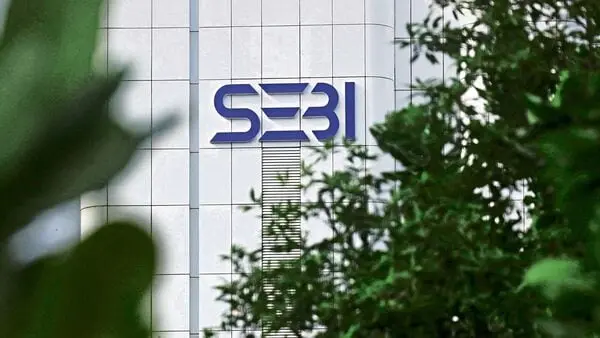
The Securities and Exchange Board of India (Sebi) has lowered the minimum face value of privately placed debt securities to Rs 10,000, making corporate bonds accessible to retail investors for the first time. Online bond platforms now offer hundreds of issuances at this lower ticket size, compared to the earlier minimum of Rs 1 lakh.
Livemint.com reports that while access has improved, investors must understand key factors before buying: maturity date, coupon rate, credit quality, liquidity, and the issuer's financial health. A higher yield signals higher risk, not a gift. The secondary bond market in India remains thin, so investors should plan to hold bonds until maturity.
Hindustan Times published a branded article with a checklist for first-time buyers, covering bond pricing and interest calculation. The corporate bond market has grown to nearly Rs 59 lakh crore, but analysts caution that democratizing access is only half the task, understanding the product is the other.
Indian Opinion Analysis
Livemint.com provides a detailed, neutral guide on bond fundamentals, emphasising risk and the need for investor education. Hindustan Times runs a sponsored, brief checklist with no editorial input. The critical gap in coverage is the lack of discussion on credit rating agency reliability and bond default history. The real test for this reform is whether retail defaults rise or stay low over the next two years as new buyers enter the market.
Coverage: 2 sources, 2 neutral
Sources (2): livemint.com (neutral report), hindustantimes.com (neutral report)
This brief was synthesised by AI from the 2 sources linked above, so one read covers every framing they carry. Methodology and corrections.
Updated: this story now draws on 2 sources.