













Now Reading: Cabinet approves ₹2,814 crore scheme for lithium, nickel processing
-
01
Cabinet approves ₹2,814 crore scheme for lithium, nickel processing


The Story in Brief
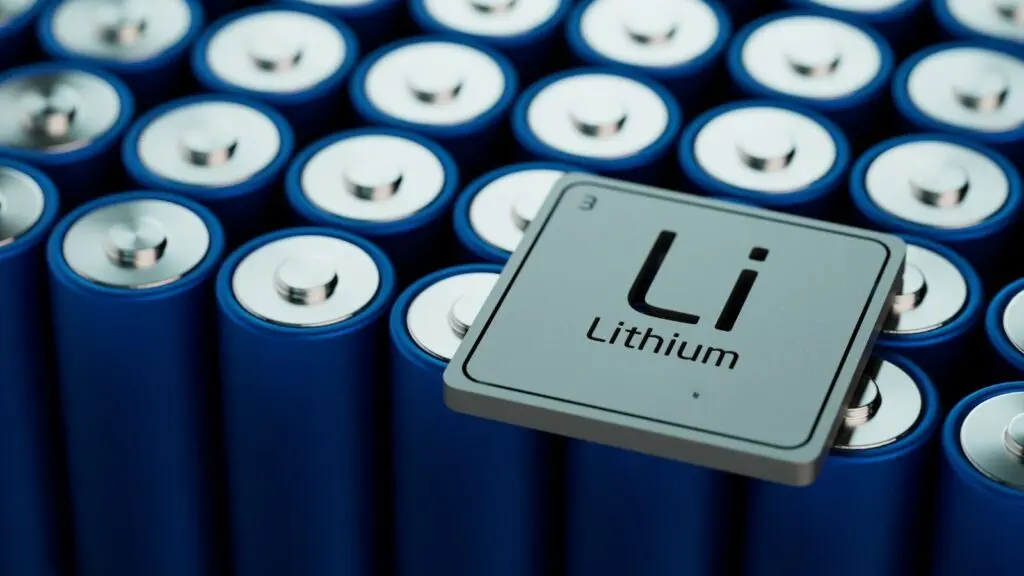
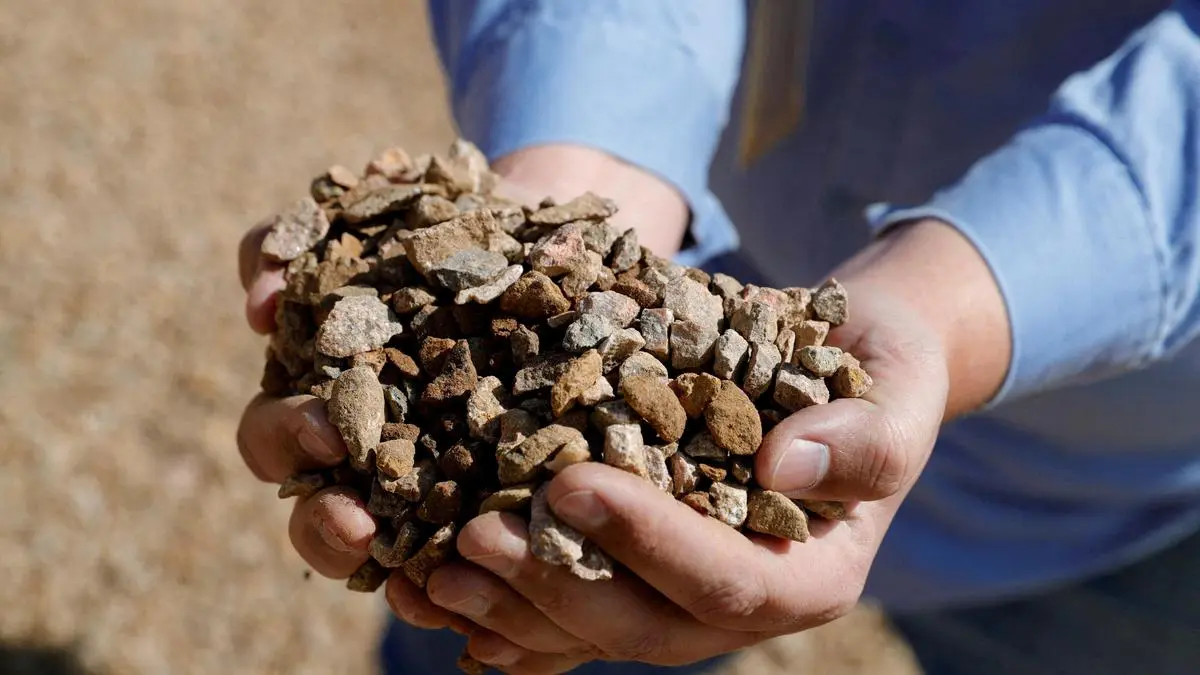
The Union Cabinet on Wednesday, 4 November, approved a ₹2,814 crore ($297 million) capital expenditure support scheme to promote domestic processing of critical minerals, including lithium and nickel, over five years from FY2026-27 to FY2030-31, Information Minister Ashwini Vaishnaw said. The scheme provides a 30 per cent capital subsidy for setting up two lithium processing plants (minimum 30 kilotonnes each) and two nickel processing plants (minimum 50 kilotonnes each). Maximum support is capped at ₹500 crore per lithium beneficiary and ₹900 crore per nickel beneficiary.
Beneficiaries will be selected through a two-stage process: technical evaluation followed by financial bidding based on the least-cost criterion. Incentives will be disbursed in three tranches linked to milestone achievements. The government aims to reduce import dependence and strengthen supply chains for sectors including electric mobility, battery storage, electronics, defence and specialty steel. The scheme covers all 24 critical minerals identified by the government and includes both mined and recycled raw materials.
Indian Opinion Analysis
All three outlets report the same facts from the official announcement: the ₹2,814 crore outlay, the 30 per cent capital subsidy, four plants (two lithium, two nickel), and the capacity and cap figures. The Hindu Business Line and Times Now lead with the dollar equivalent ($297 million) and Times Now adds an argument about supply chain vulnerability to geopolitical disruption. Economic Times provides the most detailed background on import dependence and the two-stage beneficiary selection process. No outlet frames the story critically. The coverage is uniform, straight reporting of a cabinet decision. The next step is the scheme’s five-year run from FY2026-27 to FY2030-31.
Coverage: 3 sources, 3 neutral
Sources (3): thehindubusinessline.com (neutral report), economictimes.indiatimes.com (neutral report), timesnownews.com (neutral report)
This brief was synthesised by AI from the 3 sources linked above, so one read covers every framing they carry. Methodology and corrections.
Update, 4 November 2026: this story now draws on 3 sources.