












Now Reading: Centre seeks two years to frame fresh OBC creamy layer criteria
-
01
Centre seeks two years to frame fresh OBC creamy layer criteria


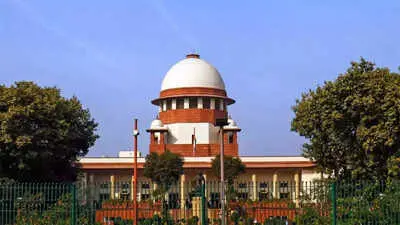
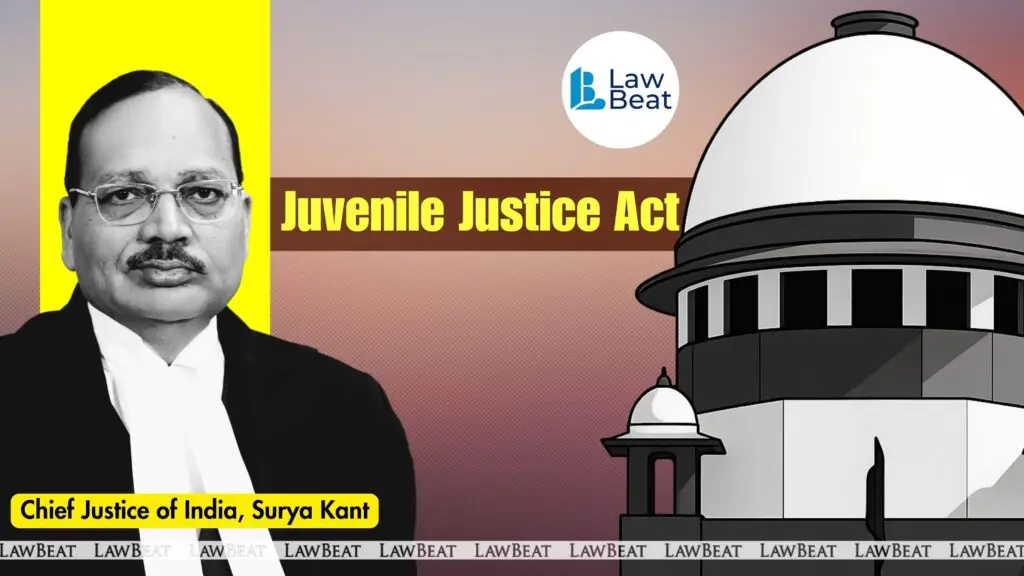
The central government has asked the Supreme Court for two years to frame new criteria for identifying the creamy layer among Other Backward Classes (OBC) candidates for reservation in civil services. Solicitor General Tushar Mehta told a bench led by Chief Justice Surya Kant that the March 11 judgment, which held that the salary or income of a parent in a PSU or the private sector cannot be the sole determinant of creamy layer status, would cause chaos if applied retrospectively to the 2025 Civil Services Examination.
The government said the judgment was delivered five days after UPSC declared the final result for CSE-2025, recommending 958 candidates. Applying the new standard retrospectively would require changing the status of OBC candidates already selected under the old rules, affecting their cadre and service allocation. The plea added that hundreds of thousands of representations and litigations could flood major employers like Railways, banks and paramilitary forces. The CJI agreed to set up a special bench to hear the application, with a date to be fixed.
Indian Opinion Analysis
The government's framing centres on administrative chaos: retrospective reclassification would disrupt 958 selected candidates and thousands more across railways, banks and paramilitary forces, and it requests two years to draft fresh criteria. The court reporting by Times Now emphasises the legal mechanics, the special bench, the March 11 Rohith Nathan ruling, and the March 2026 anomaly of the judgment landing five days after UPSC declared results. Missing from both accounts is any detailed treatment of the OBC candidates the original judgment was meant to protect from arbitrary creamy-layer exclusion. The March 11 judgment itself narrowed the income-only test, the government's plea seeks to retroactively keep the old standard for this one examination cycle. The special bench hears the application on a date to be set.
Coverage: 3 sources, 3 neutral
Sources (3): timesofindia.indiatimes.com (neutral report), timesnownews.com (neutral report), timesnownews.com (2) (neutral report)
This brief was synthesised by AI from the 3 sources linked above, so one read covers every framing they carry. Methodology and corrections.
Updated: this story now draws on 3 sources.