




















Now Reading: CNG beats EV on life-cycle emissions, TERI study finds
-
01
CNG beats EV on life-cycle emissions, TERI study finds


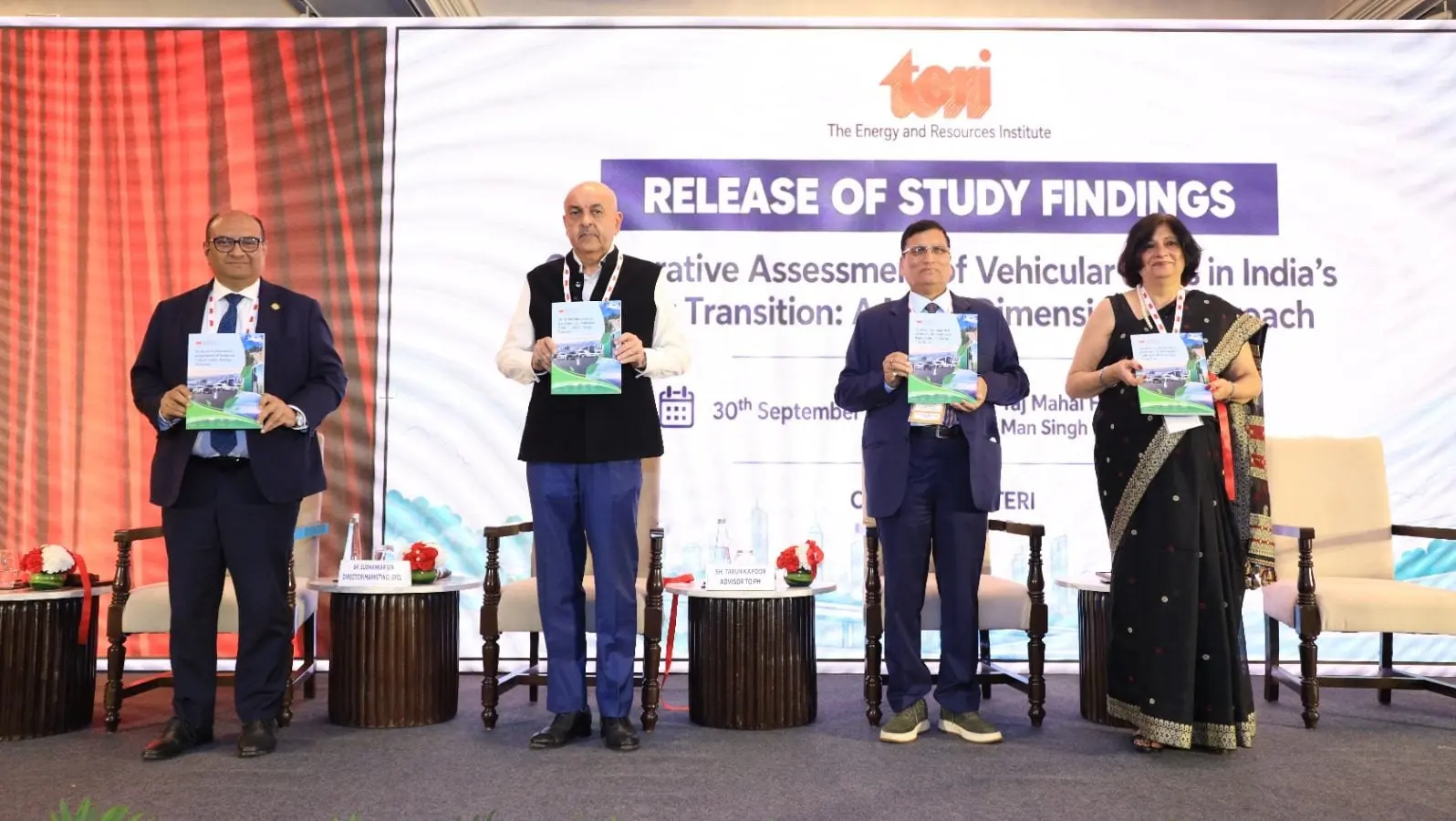
Compressed natural gas (CNG) has the lowest environmental impact among vehicular fuels in India, outperforming even electricity, according to a new study by The Energy and Resources Institute (TERI). The report, launched…
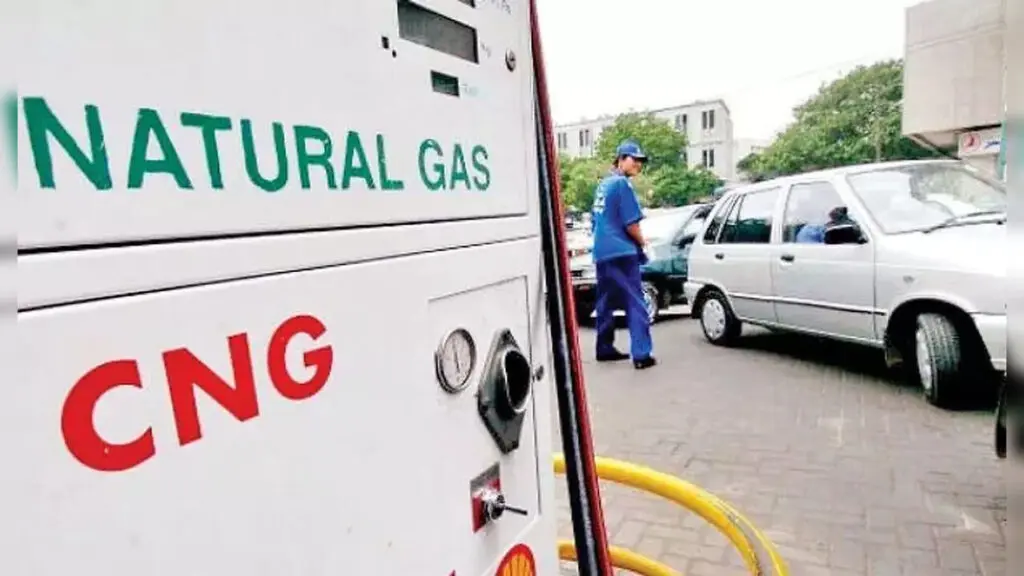
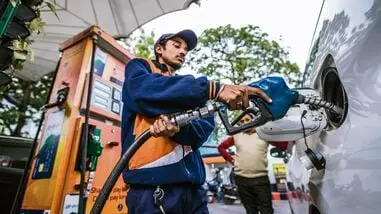
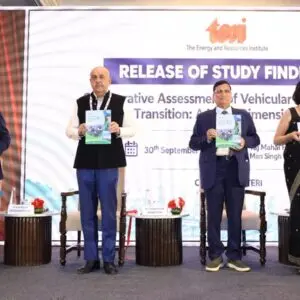
Compressed natural gas (CNG) has the lowest environmental impact among vehicular fuels in India, outperforming even electricity, according to a new study by The Energy and Resources Institute (TERI). The report, launched alongside the Petroleum and Natural Gas Regulatory Board (PNGRB) on 30 September, assessed petrol, diesel, CNG, LNG and electricity across six vehicle types and 10 regions. It found CNG best for cars, taxis, buses and goods vehicles, while electric vehicles (EVs) are preferred for two- and three-wheelers in urban areas.
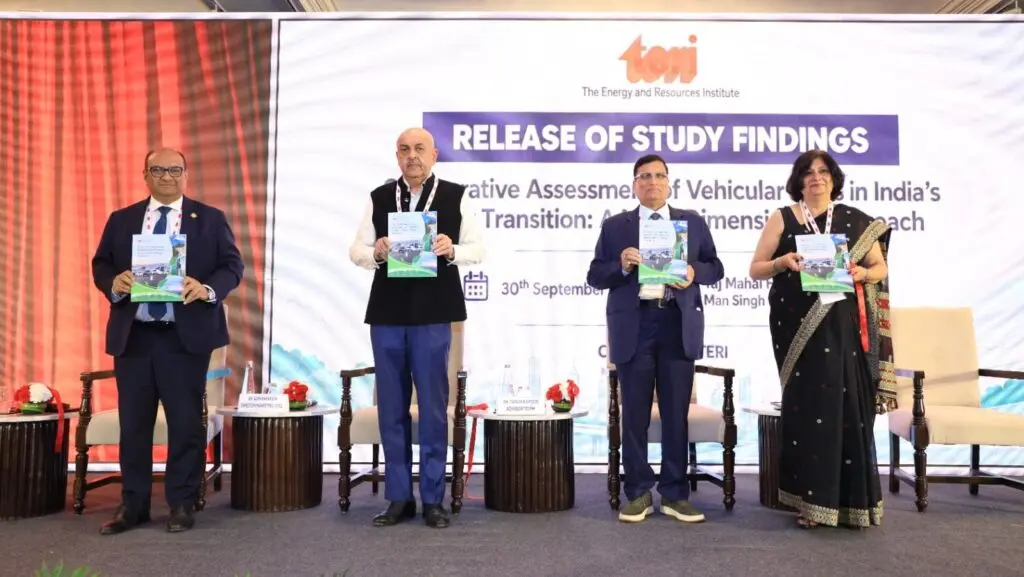
TERI senior fellow Ritu Mathur said CNG remains economically competitive even with EV incentives. The study uses a life-cycle assessment, noting that India’s coal-dependent electricity grid and battery manufacturing make EVs less clean than CNG overall. PNGRB member Anjani Kumar Tiwari told The Hindu that a level playing field across EV, CNG and LNG is essential, and attributed recent CNG price rises to higher input costs from the West Asia crisis. Tiwari also highlighted the role of compressed biogas from 5,000 planned plants by 2030 to cut import dependence.
Indian Opinion Analysis
ThePrint leads with the TERI finding that CNG has the lowest environmental burden, framing it as a clear win over EVs and emphasising the life-cycle assessment that accounts for coal-fired electricity and battery production. The Hindu focuses on PNGRB member Tiwari’s call for a level playing field across all fuel types, quoting his remarks on taxation, subsidies and infrastructure parity. The two outlets do not conflict, they cover complementary aspects of the same launch event. ThePrint’s coverage omits Tiwari’s pricing and biogas remarks, while The Hindu omits the study’s methodology details. A balanced reading: the study itself does not recommend a single fuel, but its data support CNG for most segments now, and the regulator’s stance is that policy should remain neutral among technologies. The next concrete item is the 5,000 CBG plant target by 2030, which Tiwari said could produce 30-40 MMSCMD of gas at 50% capacity.
Coverage: 2 sources, 2 neutral
Sources (2): theprint.in (neutral report), thehindu.com (neutral report)
This brief was synthesised by AI from the 2 sources linked above, so one read covers every framing they carry. Methodology and corrections.