




















Now Reading: Cyberabad police seize 100 tonnes of chicken waste in raids
-
01
Cyberabad police seize 100 tonnes of chicken waste in raids


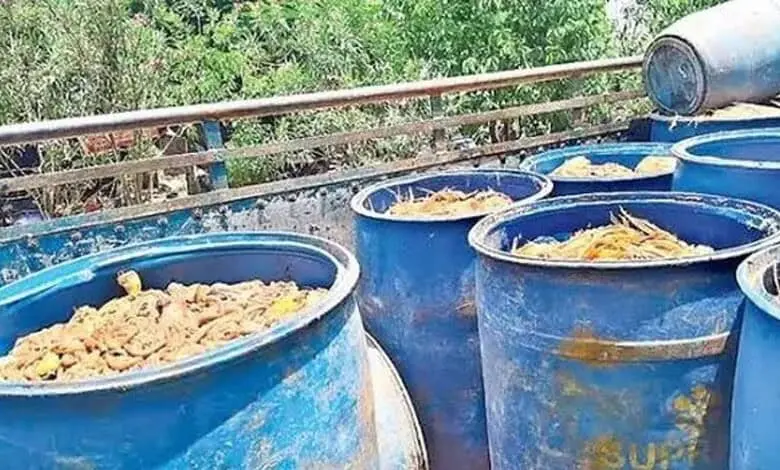
Cyberabad police and veterinary officials seized 100 tonnes of chicken waste during raids across the commissionerate on Monday. The accused were selling the waste to fish pond owners in Andhra Pradesh. Veterinary officials warned that consuming fish fed with chicken waste could cause cancer.
Police inspected lorries preparing to dump waste in Attapur, Miyapur, Aminpur, Kukatpally, Jeedimetla, and Chintal. In June, the Hyderabad City Police's H-FAST team had seized about 90 tonnes of raw chicken waste from seven vehicles illegally transporting it to Andhra Pradesh without a valid licence.
The waste was meant for the Chengicherla rendering point but was being taken to Bhimavaram, Eluru, Bheemadolu, Undi in West Godavari, and Mall town in Nalgonda for use as fish feed. Cases have been registered and police said strict legal action is being initiated.
Indian Opinion Analysis
The Hyderabad police have escalated enforcement against a shadowy supply chain linking city chicken shops to Andhra fish farms. Poultry waste is supposed to go to the Chengicherla rendering plant, instead, unlicensed operators have been moving it hundreds of kilometres to commercial aquaculture tanks in West Godavari and Nalgonda. This is a food-safety issue with a clear regulatory path: the Food Safety and Standards Authority of India (FSSAI) prohibits using untreated animal waste as fish feed, and the Telangana State Veterinary Department can cancel business licences of shops that supply it. Two seizures totalling 190 tonnes in two months suggest the practice is widespread, not isolated. Watch for whether the Cyberabad police now file a chargesheet naming the fish-buyers, and whether the Andhra Pradesh fisheries department inspects the ponds that received the waste. A 2022 FSSAI study found that farmed fish fed with poultry litter accumulate heavy metals and antibiotic residues, consumers have no way to tell where their fish was fed.
Source: siasat.com
This story was synthesised by AI from the source linked above. Methodology and corrections.