



















Now Reading: Delhi AQI hits 228-232 ‘poor’ as cold deepens
-
01
Delhi AQI hits 228-232 ‘poor’ as cold deepens


The Story in Brief
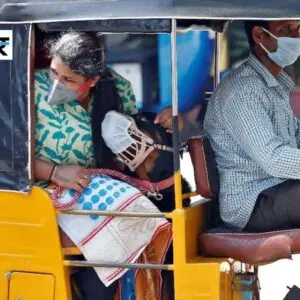
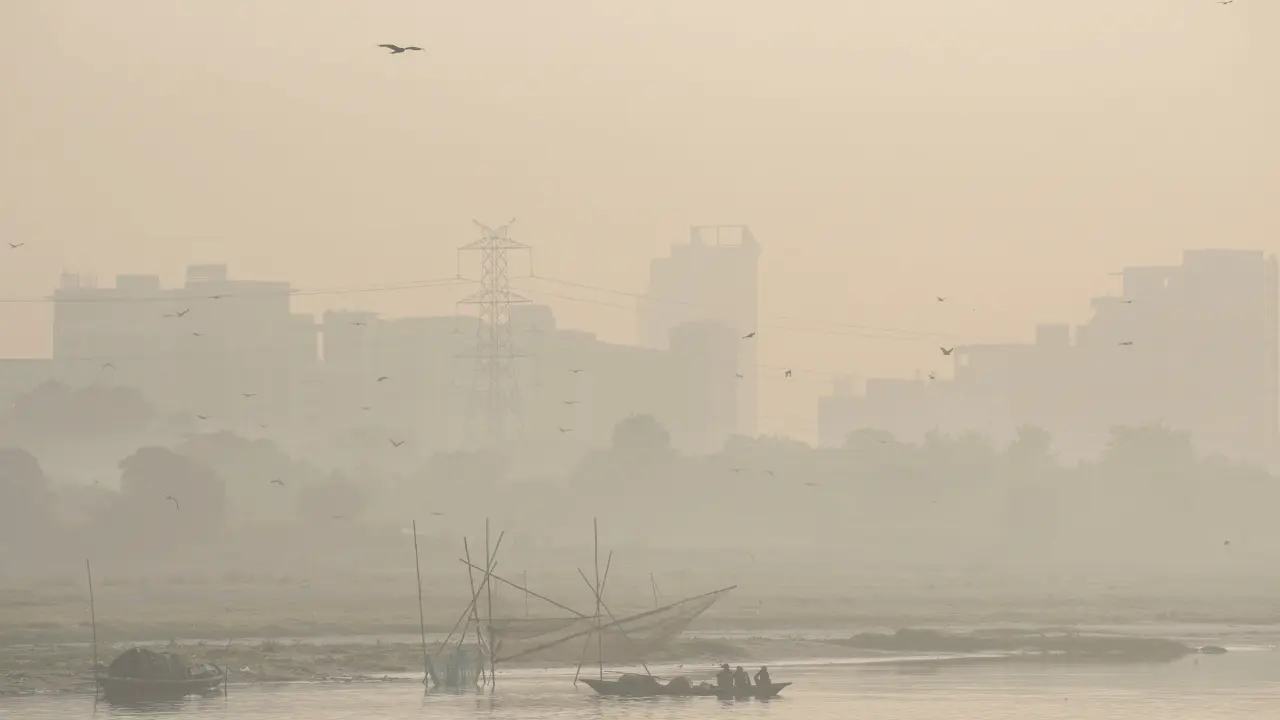
Delhi’s air quality slipped into the ‘poor’ category on Wednesday, 28 October, with the 24-hour average AQI ranging from 228 to 232 across monitoring sources. The city recorded a minimum temperature of 15.7°C at Safdarjung, 0.4 degrees below normal, a day after the coldest October morning in three years. Jahangirpuri (AQI 305-307) and Vivek Vihar (AQI 320) logged ‘very poor’ air. News9 Live reports Noida Sector 62 recorded an AQI of 314. The Central Pollution Control Board data shows PM2.5 was the predominant pollutant at 42 of Delhi’s 58 monitoring stations.
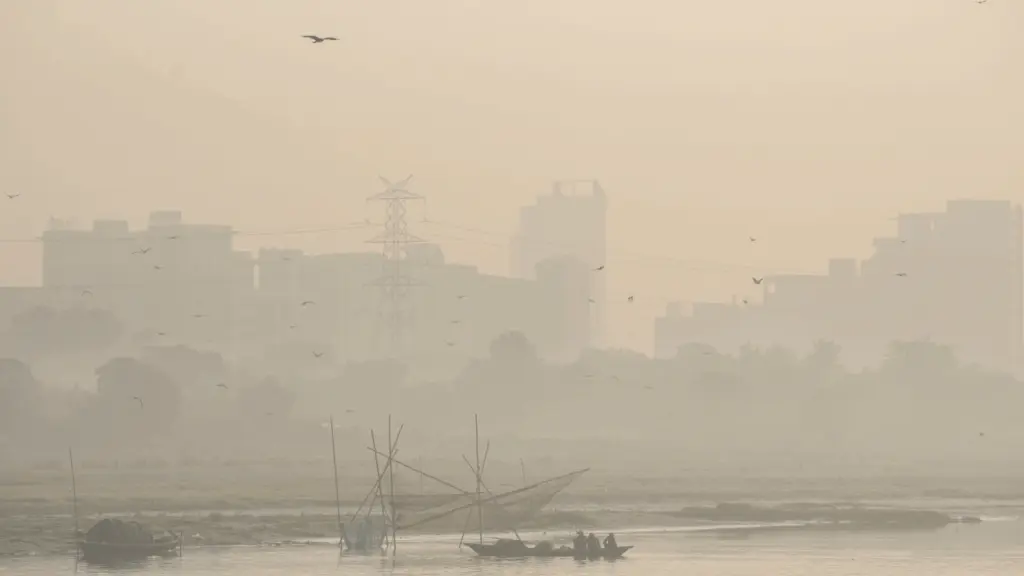
NASA satellite data detected 767 farm fires in Punjab and Haryana between 1 and 27 October, down from 1,048 in the same period last year. Hindustan Times reports the fire count likely understates actual burning because most burning now occurs after the satellite passes by 1.30 pm pass, citing iFOREST research showing area burned fell only 19% since 2021 while detected fires dropped 94%. The government’s Air Quality Early Warning System forecasts ‘moderate’ category from 29 to 30 October.
Indian Opinion Analysis
News9 Live and The Hindu report Delhi’s AQI at 228 and 232 respectively, while Hindustan Times gives 230, a close band within the ‘poor’ category. Hindustan Times provides the most granular data: 58 stations, PM2.5 predominance, and a detailed critique of NASA satellite fire counts as a large undercount, citing iFOREST research showing area burned fell only 19% while detected fires dropped 94% since 2021. News9 Live and The Hindu give only the headline AQI and farm fire comparisons with past years. All three attribute data to CPCB, only Hindustan Times names the satellite and timing-shift problem. The uniform straight reporting leaves the main question open: the government’s Early Warning System forecasts an improvement to ‘moderate’ from 29 October through 30 October.
Coverage: 3 sources, 3 neutral
Sources (3): news9live.com (neutral report), hindustantimes.com (neutral report), thehindu.com (neutral report)
This brief was synthesised by AI from the 3 sources linked above, so one read covers every framing they carry. Methodology and corrections.
Update, 28 October 2026: this story now draws on 3 sources.