

















Now Reading: Delhi HC refuses to stay NHAI termination notice against RSIL
-
01
Delhi HC refuses to stay NHAI termination notice against RSIL


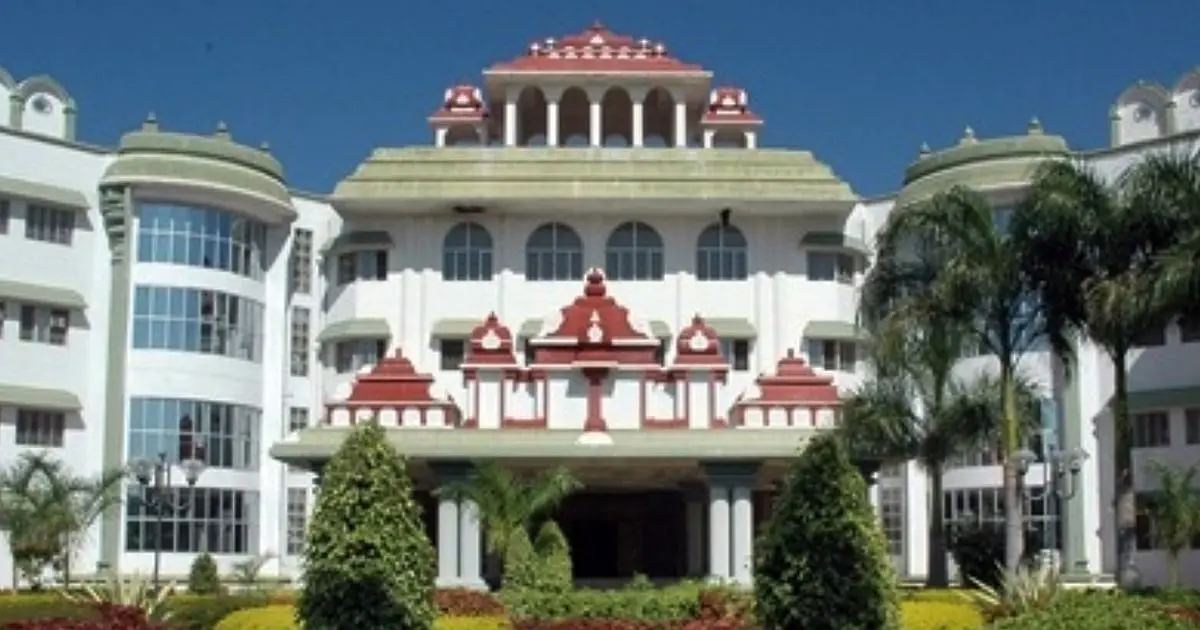
The Delhi High Court has refused to restrain the National Highways Authority of India from acting on a termination notice issued to Roadway Solutions India Infra for alleged defaults in a highway project. The Court held that while the contract was not determinable in nature, the petitioner failed to make a prima facie case for interim relief under Section 9 of the Arbitration and Conciliation Act.

The contract for the highway project was signed in October 2022 with an original completion date of January 2025. After disputes over delays, the parties executed a settlement agreement in April 2025 extending the completion date to April 2026. NHAI later issued a cure period notice in January 2026 and a termination notice in July 2026, prompting RSIL to seek court intervention.
The Court ruled that the cure period notice was not necessarily premature and that the validity of the alleged defaults was a matter for the Arbitral Tribunal. It also applied Sections 20A and 41(ha) of the Specific Relief Act, which restrict injunctions that could impede public infrastructure projects.
Indian Opinion Analysis
This ruling clarifies that an EPC contract terminable only on specified defaults with notice and cure period is not automatically determinable under Section 14(d) of the Specific Relief Act. However, clearing that hurdle does not guarantee interim relief, the petitioner must still satisfy the full Section 9 test. The Court's emphasis on public infrastructure provisions under Sections 20A and 41(ha) signals a higher bar for injunctions in highway projects. With the matter now headed to arbitration, the next key date will be the Arbitral Tribunal's decision on the merits of the defaults and NHAI's right to terminate.
Source: barandbench.com
This story was synthesised by AI from the source linked above. Methodology and corrections.