


















Now Reading: Delhi Police bars Jantar Mantar protests, moves site to periphery
-
01
Delhi Police bars Jantar Mantar protests, moves site to periphery


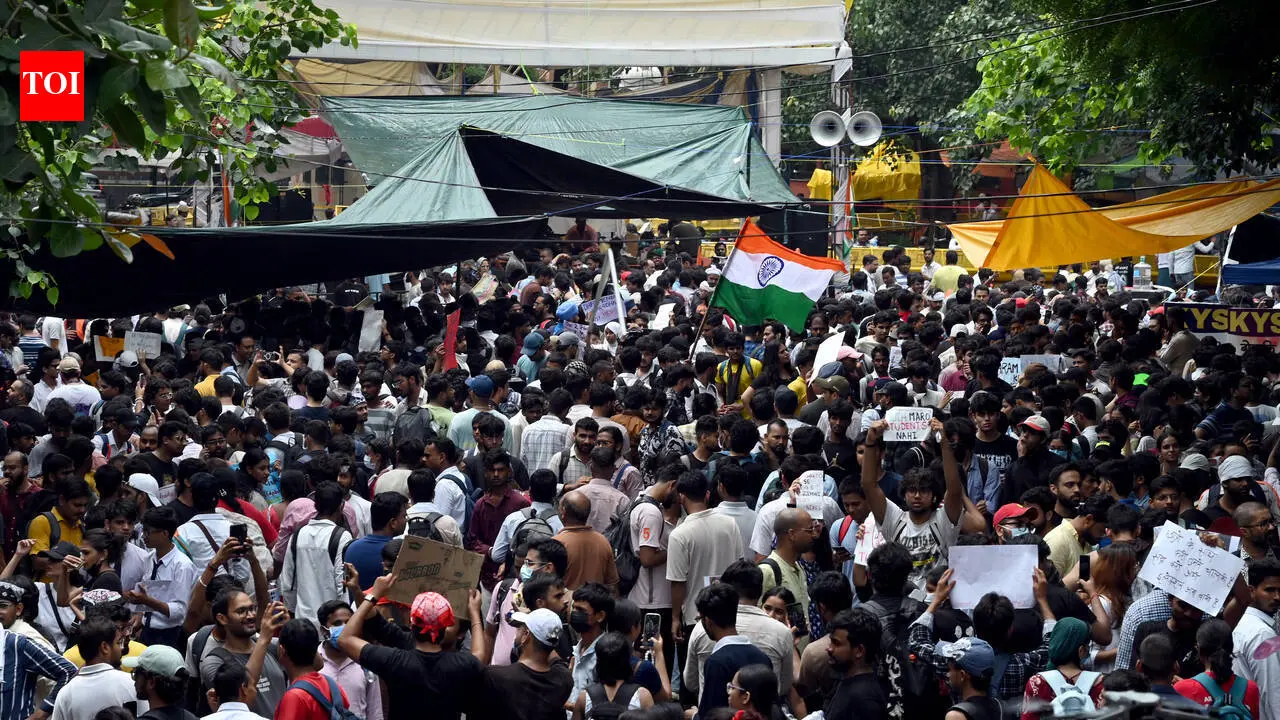
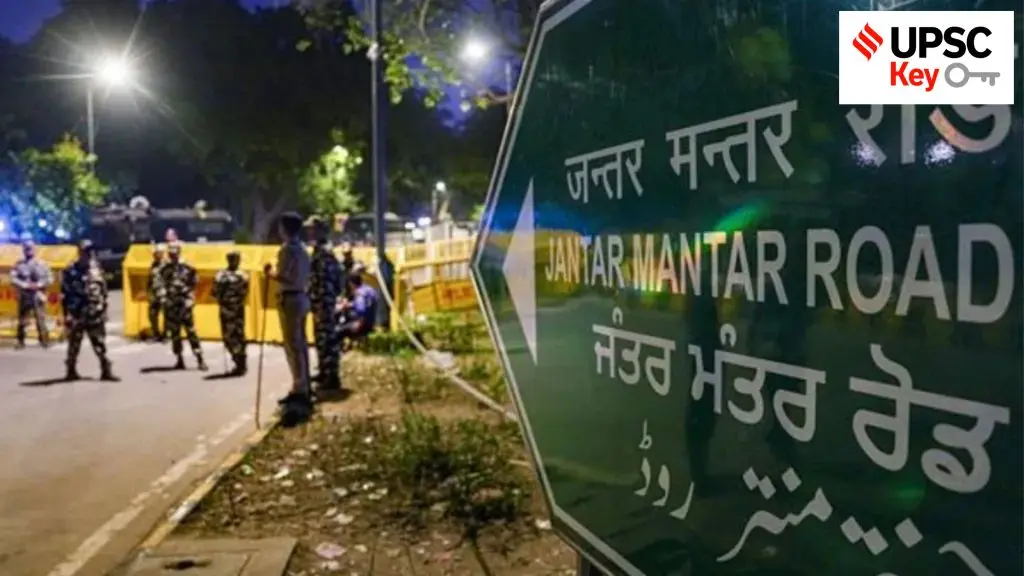
The Delhi Police on Monday (12 October 2026) said Jantar Mantar in central Delhi can no longer be used as a protest site. The century-old site beside the 18th-century astronomical observatory will be replaced by three venues on the city's periphery: Ramlila Ground (about 5 km from India Gate), Burari Ground in north Delhi (about 20 km), and CBD Ground in east Delhi (about 12 km). The decision also formalises the earlier closure of Boat Club, the original protest ground near the administrative centre.
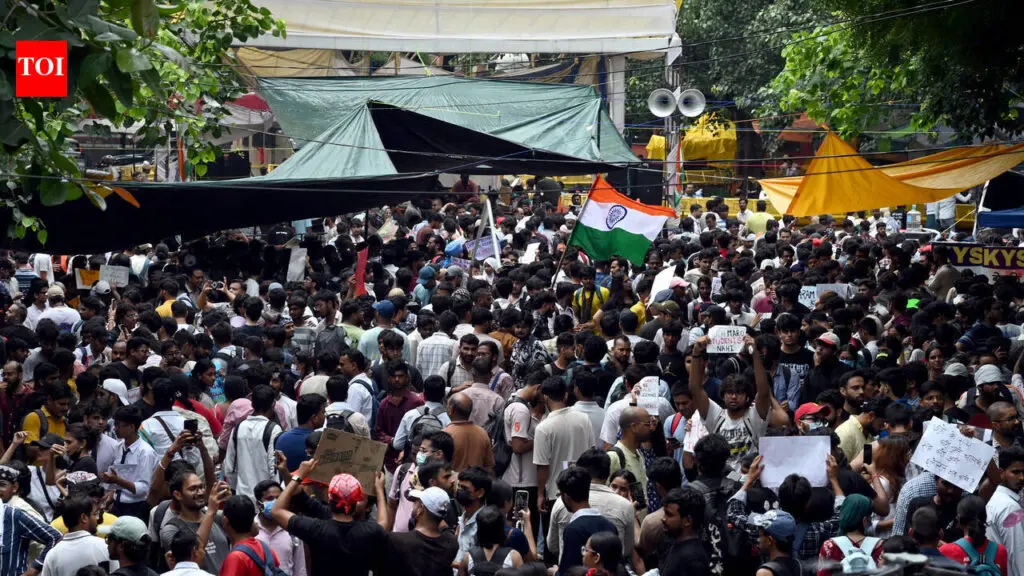
Indian Express notes the move is part of a trend since the 2012 Nirbhaya protest, when barricades first appeared on Rajpath, followed by tighter controls during the 2020 farmers' protest. Times of India reports the new sites are on the city's edge, far from the seat of power. No date has been announced for the new venues to open.
Indian Opinion Analysis
Both sources cover the same event, the Delhi Police’s Monday (12 October 2026) denotification of Jantar Mantar as a protest site, but frame it differently. Times of India leads with the practical geography: the old sites are gone, and the new ones are on the periphery. Indian Express adds historical and global context via academic papers (CEPT University), foreign examples (Tahrir Square, Tiananmen Square), and a quote from Nobel laureate Anne Carson. The former is a neutral factual report on a policy change, the latter is a cultural and political analysis that explicitly questions the motive behind the shift. Neither source attributes a rationale to the government or police beyond the notification itself.
Coverage: 2 sources, 1 government-critical, 1 neutral
Sources (2): timesofindia.indiatimes.com (neutral report), indianexpress.com (government critical)
This brief was synthesised by AI from the 2 sources linked above, so one read covers every framing they carry. Methodology and corrections.