



Now Reading: Delhi Police tells SC reel-makers are not journalists at protests
-
01
Delhi Police tells SC reel-makers are not journalists at protests


The Story in Brief
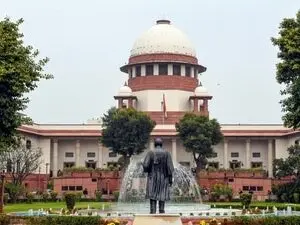
Delhi Police has told the Supreme Court that its 11 October order protecting journalists covering the anti-CEC protests was not meant to cover ‘so-called reel makers and social media influencers’. In a counter-affidavit filed before the court, the police argued that a distinction must be drawn between genuine journalists and content creators carrying cameras and microphones for commercial exploitation, adding that the question whether reel-makers can be ‘elevated to the status of journalists’ remains unresolved.

The affidavit, filed by Joint Commissioner Surrender Kumar, responded to petitions from media groups alleging police highhandedness during last month’s protests at Jantar Mantar. The police denied obstructing journalists, stating that any mistaken removals were reversed on verification. They also cited videos of the protests freely circulating on social media as evidence that reporting was not hindered. The advisory issued on 5 October for journalists covering protests was defended as facilitative, with PIB accreditation not mandatory, an organisation-issued ID card suffices. The Supreme Court will consider the matter.
Indian Opinion Analysis
All three outlets report the Delhi Police’s Supreme Court affidavit drawing a distinction between journalists and ‘reel-makers’, with no outlet adopting a partisan framing. The core dispute is whether content creators can be treated as journalists at protest sites, a question the police say remains unresolved. Every source covers the same legal argument: the October 11 SC order protecting journalists was not meant to shield reel-makers. No outlet highlights a counter-view from the petitioners, and none critiques the police’s stance. The uniform coverage reflects the affidavit’s technical, court-filing nature. The next concrete step is the Supreme Court’s consideration of the affidavits and the underlying petitions.
Coverage: 3 sources, 3 neutral
Sources (3): livelaw.in (neutral report), indianexpress.com (neutral report), timesofindia.indiatimes.com (neutral report)
This brief was synthesised by AI from the 3 sources linked above, so one read covers every framing they carry. Methodology and corrections.