





Now Reading: E. coli found in Bhopal RO water at 660 MPN, residents stop using tap water
-
01
E. coli found in Bhopal RO water at 660 MPN, residents stop using tap water

E. coli found in Bhopal RO water at 660 MPN, residents stop using tap water

The Story in Brief
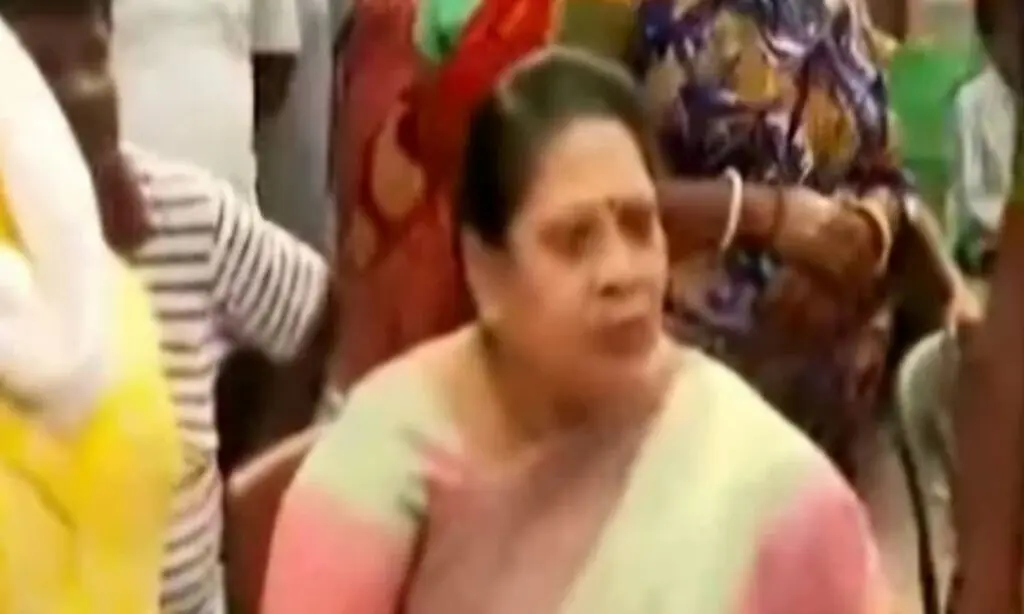
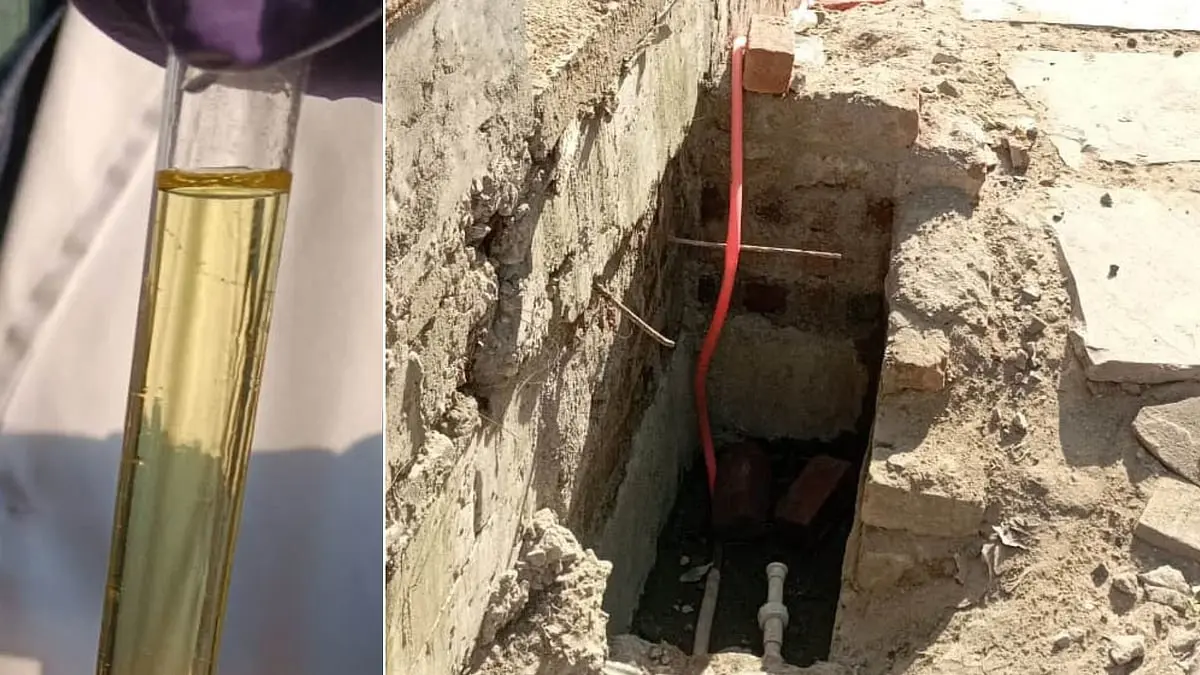
E. coli bacteria at 660 MPN per 100 ml was found in a sample of RO-purified drinking water from Vaishali Nagar in Bhopal, against the required standard of nil, confirmed in a 28 October report by the State Research Laboratory. The sample was submitted by resident Vivek Rai and collected from his Aquaguard RO. More than six residents have reported falling ill, including a six-year-old girl who required hospitalisation after the contamination was first noticed on 22 October.
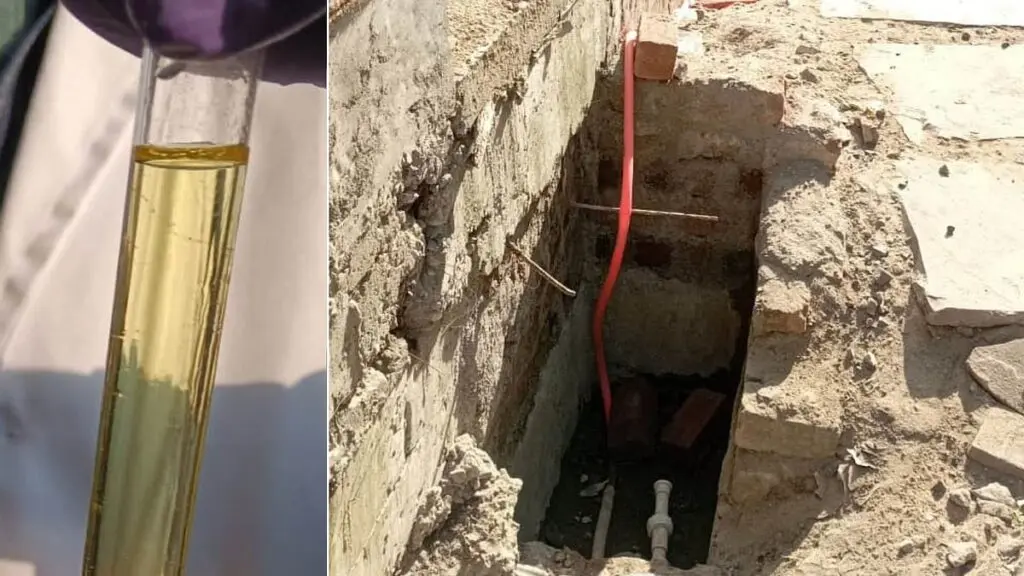
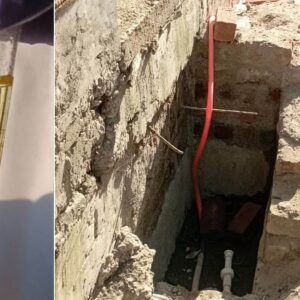
Residents have stopped drinking tap water and rely on bottled water, alleging that the Bhopal Municipal Corporation failed to trace the sewage entry point into the water pipeline even after 15 days. Congress leaders have questioned the administration’s inability to ensure safe drinking water, with the issue reviving memories of the Indore Bhagirathpura water tragedy. The BMC, however, says samples from nine houses over two days showed no E. coli contamination, with adequate chlorine levels and clear water confirmed in on-site checks.
Indian Opinion Analysis
The single test result of 660 MPN of E-coli from one household’s RO unit is pitted against the BMC’s claim that nine other houses showed clean water, with no independent verification of either side yet. The corporation’s failure to locate a sewage entry point in 15 days means the risk is not isolated: any household on the same pipeline could be affected. Residents are self-reporting illnesses, but the official count stands at zero hospitalisations from the BMC’s sampled houses. Until the BMC traces and seals the contamination source, the standoff between a lab-confirmed result and clean municipal samples leaves the neighbourhood in a factual vacuum. The next step is the ongoing search for the sewage leak, which has no deadline.
Source: freepressjournal.in
This brief was synthesised by AI from the source linked above. Methodology and corrections.