










Now Reading: EPFO clears 90% partial PF withdrawal, SWP for retirees
-
01
EPFO clears 90% partial PF withdrawal, SWP for retirees


The Story in Brief
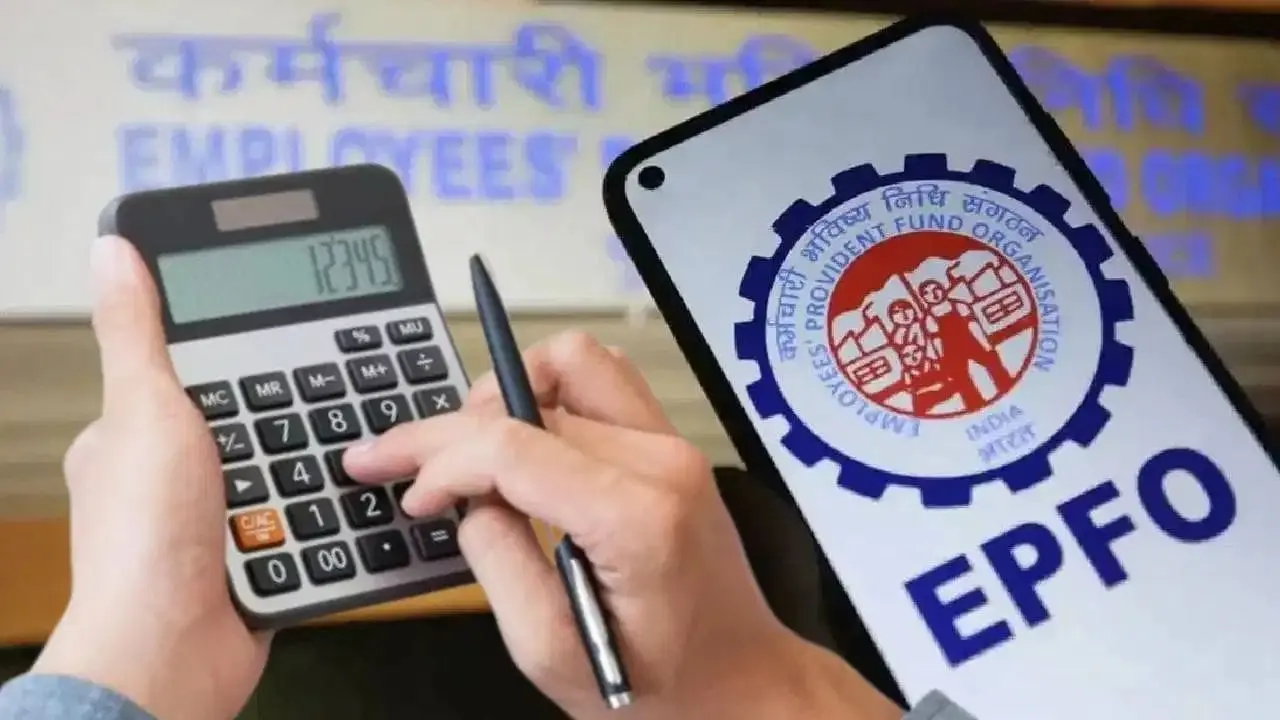
The Employees’ Provident Fund Organisation (EPFO) has approved several key changes to its rules, including a higher partial withdrawal limit and a new Systematic Withdrawal Plan (SWP) for retirees. According to reports by tv9hindi.com and aajtak.in, the Central Board of Trustees (CBT) has cleared the SWP, which will allow retiring employees to withdraw their PF corpus in regular installments instead of a lump sum, ensuring a steady post-retirement income.
In addition, the minimum balance requirement in PF accounts has been reduced from 25 per cent to 10 per cent, enabling members to withdraw up to 90 per cent of their PF balance immediately in case of early retirement or job loss before age 55, aajtak.in reports. The waiting period for unemployment-related withdrawals has also been cut from 12 months to two months. The partial withdrawal facility remains available for specific needs such as medical treatment, education, marriage and housing, subject to eligibility conditions.
In the event of the member's death during the SWP payout period, the nominee can withdraw the remaining amount in full or continue receiving periodic payments, tv9hindi.com reports. Detailed terms and the implementation date for the SWP are awaited.
Indian Opinion Analysis
Both tv9hindi.com and aajtak.in report the EPFO’s latest rule changes in a neutral, service-journalism style, emphasising the procedural details rather than any policy debate. tv9hindi.com focuses on the SWP’s benefit to families through the nominee clause, while aajtak.in highlights the immediate relief of the higher 90% partial withdrawal limit and the shorter waiting period. Neither outlet discusses fiscal implications, opposition views or implementation timelines beyond stating that details are awaited. The uniform framing suggests the EPFO has positioned these as administrative improvements rather than controversial reforms. The key open point remains the date of implementation for the SWP, which neither source names.
Coverage: 2 sources, 2 neutral
Sources (2): tv9hindi.com (neutral report), aajtak.in (neutral report)
This brief was synthesised by AI from the 2 sources linked above, so one read covers every framing they carry. Methodology and corrections.
Update, 19 November 2026: this story now draws on 2 sources.