






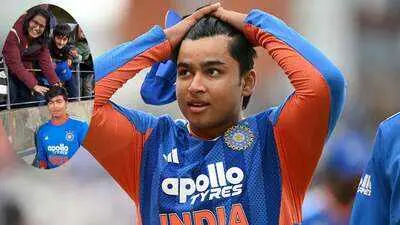




Now Reading: Shubman Gill trains in Auckland, wears Temple device
-
01
Shubman Gill trains in Auckland, wears Temple device


The Story in Brief
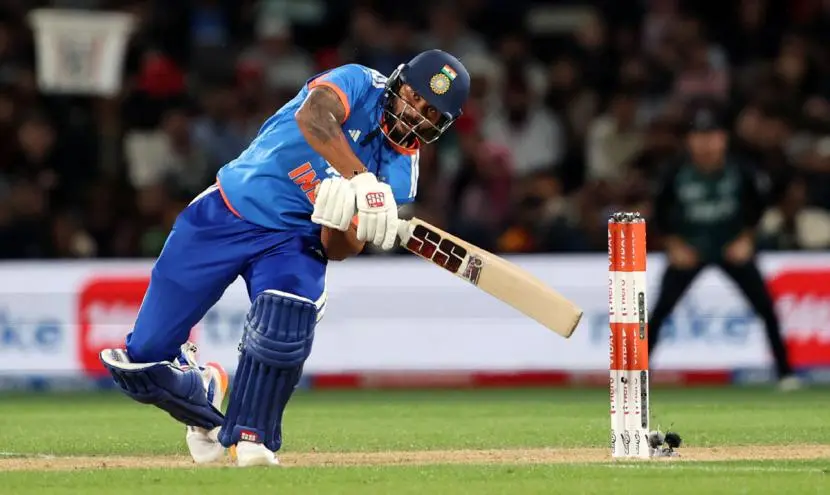
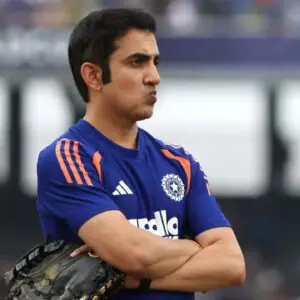
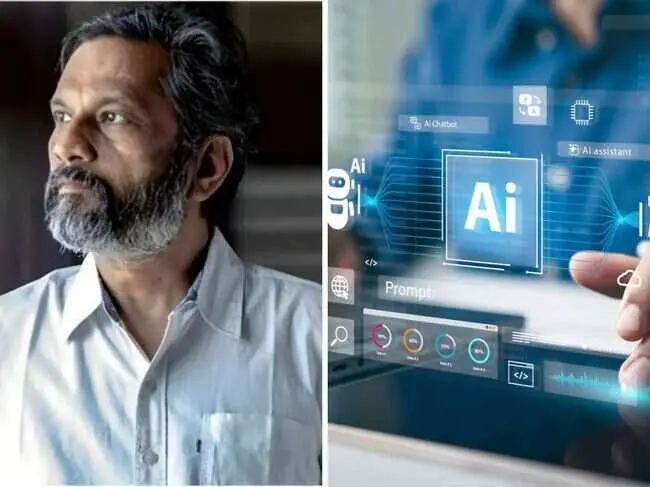
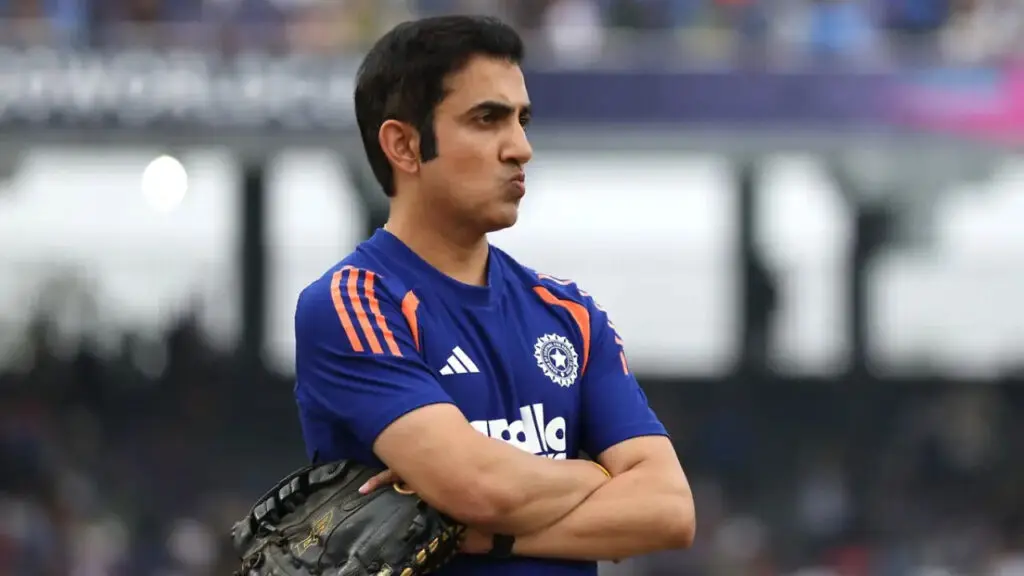
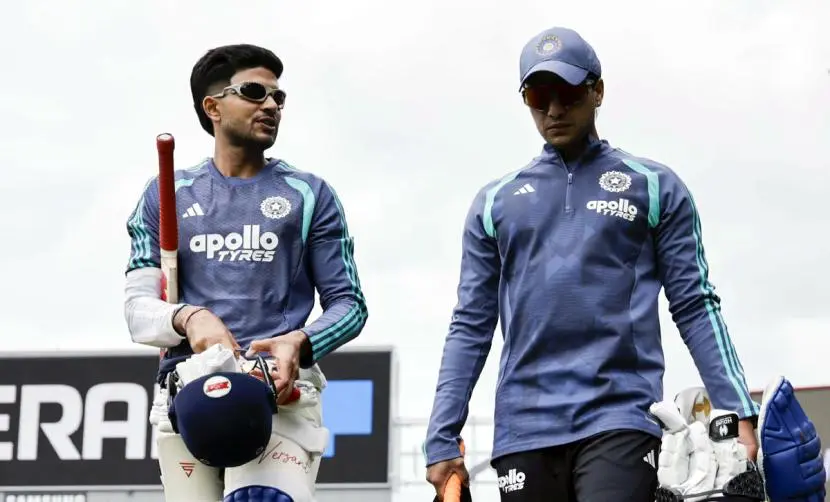
India's ODI and Test captain Shubman Gill arrived in Auckland on 29 October and immediately joined the Indian T20 team's nets session at Eden Park. He was seen wearing the unreleased AI fitness-tracking device called Temple, founded by Deepinder Goyal. The device, positioned above the eyes, monitors cerebral blood flow, nervous system responses and cognitive stress levels.
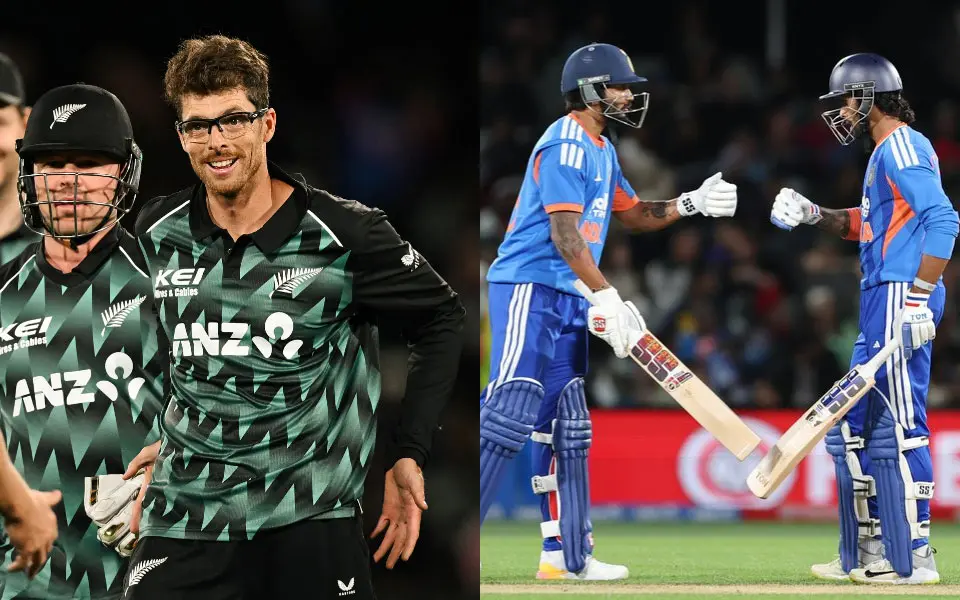
Gill has not been picked for the T20 side despite scoring 732 runs at a strike rate of 163.02 for Gujarat Titans in IPL 2026. Rediff reports he is behind Abhishek Sharma, Sanju Samson and Vaibhav Sooryavanshi in the T20 batting order, possibly due to workload management ahead of the 2027 ODI World Cup. India have already sealed the five-match T20I series 3-0. Gill will captain India in the ODI series beginning 4 November in Auckland and the two-Test series starting 19 November in Wellington.
Indian Opinion Analysis
All three outlets report the same basic facts: Gill arrived in Auckland, wore the Temple device during nets, and will lead India in the ODI and Test series. dtnext.in adds Gill’s recent difficult tour of Australia in 2025 and a series defeat in England earlier in 2026, framing his preparation against a backdrop of past struggle. NDTV and Rediff omit that context, focusing instead on squad arrivals and workload management. Rediff provides a detailed breakdown of why Gill is out of the T20 side, citing the form of Abhishek Sharma, Sanju Samson and Vaibhav Sooryavanshi, and BCCI workload planning for the 2027 ODI World Cup. The coverage is uniform straight reporting, with variations in the amount of background each outlet chooses to include. All sources confirm the ODI series begins on 4 November in Auckland and the Test series on 19 November in Wellington.
Coverage: 3 sources, 3 neutral
Sources (3): ndtv.com (neutral report), rediff.com (neutral report), dtnext.in (neutral report)
This brief was synthesised by AI from the 3 sources linked above, so one read covers every framing they carry. Methodology and corrections.
Update, 29 October 2026: this story now draws on 3 sources.