














Now Reading: Global carmakers copy China strategy for India entry
-
01
Global carmakers copy China strategy for India entry



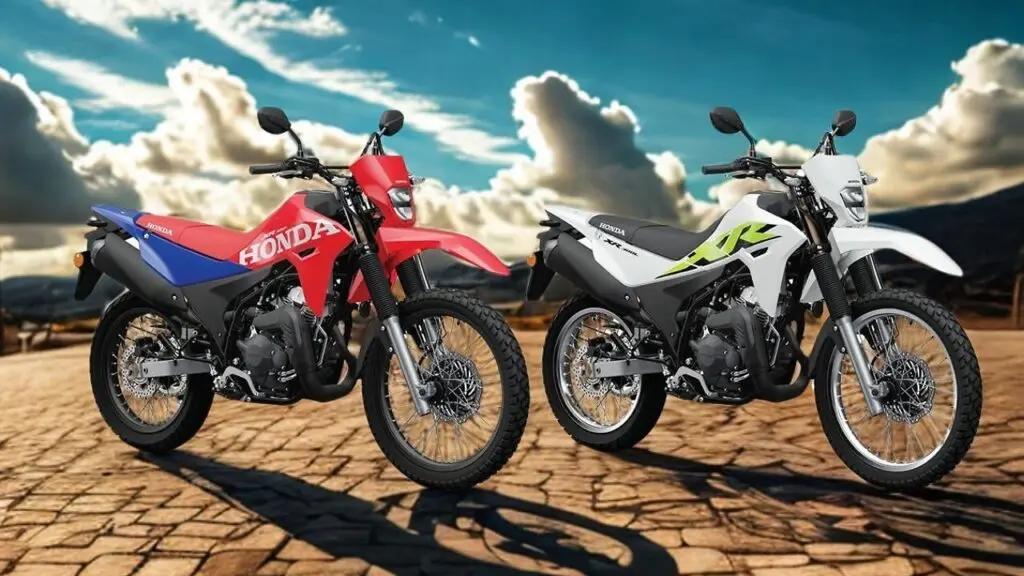
Global automakers are increasingly forming local partnerships in India, mirroring their China strategy, as they seek to break into the country's crowded and low-margin car market. Honda's recent collaboration with a Tata Group company is the latest example of this trend. The approach allows foreign firms to reduce costs, navigate complex regulations, and access established supply chains.
India's car market is fiercely price-sensitive, with high import duties on fully built vehicles. A dozen international brands, including Toyota, Suzuki, and Hyundai, already operate in India, but many have struggled to gain significant market share. The new partnership model is seen as a pragmatic shift from earlier attempts at solo entry. Honda and Tata have not disclosed financial details of their deal.
Indian Opinion Analysis
India's passenger vehicle market is expected to surpass Japan's by 2030, making it the third-largest globally. Global carmakers that entered India independently, like Ford and General Motors, have struggled and exited in the past decade. Honda's new partnership follows Hyundai's investment in a local EV battery venture and Volkswagen's talks with Mahindra. The key numbers to watch are import tariffs, currently 70-100% on CBUs, and the government's upcoming EV policy, which may lower duties for committed local manufacturing. The Department for Promotion of Industry and Internal Trade (DPIIT) is expected to release final EV policy guidelines by September 2026.
Source: asia.nikkei.com
This story was synthesised by AI from the source linked above. Methodology and corrections.