
















Now Reading: Gujarat gets President’s nod for Uniform Civil Code
-
01
Gujarat gets President’s nod for Uniform Civil Code


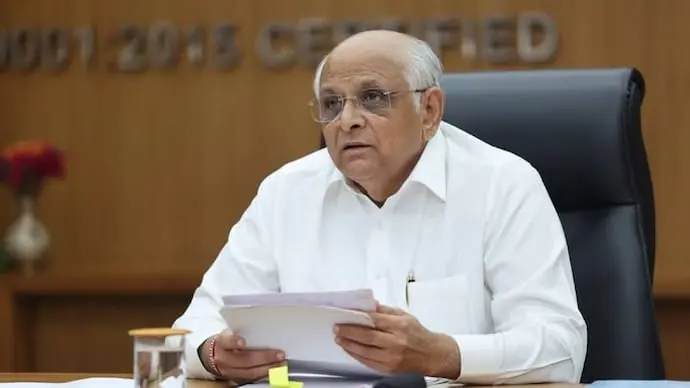
President Droupadi Murmu has given her assent to the Gujarat Uniform Civil Code (UCC) Bill, 2026, making Gujarat the second state after Uttarakhand to receive approval for the UCC. The Bill was passed by the Gujarat Assembly in March 2026 and subsequently sent for presidential approval. The law has been notified as the Gujarat Uniform Civil Code, 2026, and published in the state gazette on 1 October, but will come into force on a date to be separately notified by the state government.
The Code establishes a common legal framework for marriage, divorce, succession and live-in relationships, overriding inconsistent provisions in existing state laws. It makes registration of marriages mandatory within 60 days, introduces mandatory registration of live-in relationships with penalties for false information, and provides maintenance rights for women abandoned by live-in partners. Scheduled Tribes and communities protected under Part XXI of the Constitution are exempted from the Code.
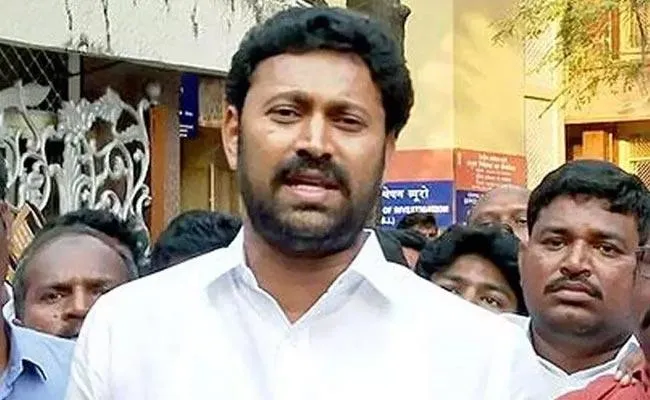
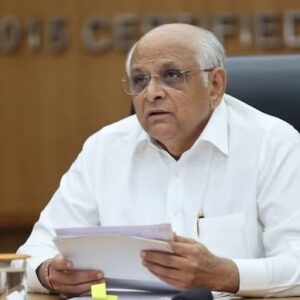
Chief Minister Bhupendra Patel said the UCC provides equal rights to everyone, while the Opposition called it ‘anti-Muslim’ and alleged it was passed for electoral gain. Congress and AAP MLAs criticised the Bill, with Congress MLA Imran Khedawala saying it is against Muslim society and AAP MLA Chatar Vasavane seeking clarity on its impact on tribal communities.
Indian Opinion Analysis
Both India Today and Times Now report the President's assent as a straightforward legislative development, each presenting the legal provisions and the next steps without editorialising. India Today includes substantial opposition criticism from Congress and AAP, while Times Now omits political reaction entirely, focusing instead on the Code's content, penalties and exemptions. The uniform coverage reflects straight news agency-style reporting on both outlets, with the difference being one of scope: India Today's version covers the political context, while Times Now's version reads as a legal explainer. The key watch item remains the state government's notification of an implementation date, which neither source specifies.
Coverage: 2 sources, 2 neutral
Sources (2): indiatoday.in (neutral report), timesnownews.com (neutral report)
This brief was synthesised by AI from the 2 sources linked above, so one read covers every framing they carry. Methodology and corrections.