






Now Reading: Gurugram man gets 16 challans for clone number plate, fine Rs 16,000
-
01
Gurugram man gets 16 challans for clone number plate, fine Rs 16,000


The Story in Brief
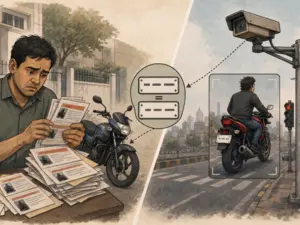
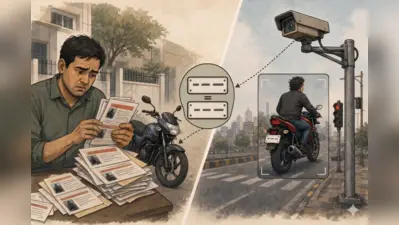
Deepak Sahu, a resident of Sector 33 in Gurugram, has received 16 traffic challans totalling Rs 16,000 over five months for a motorcycle he does not own. The challans carry photographs of a Hero Splendor fitted with a number plate that matches the registration of Sahu’s Bajaj Platina. Each challan carries a fine of Rs 1,000. The first challan arrived in July, and the latest notice came on Sunday (22 November 2026). Sahu, a dental assistant, says he only travels between his home and office, yet violations were recorded in Sector 39, an area he does not routinely visit.
Sahu approached the Traffic Tower in Sector 28 and was directed to email a complaint. After 15 to 20 days he was asked to file an online grievance, but the challans continued. He is now preparing to submit a written complaint to the police to stop further notices and have the existing ones reviewed against the photographs showing a different motorcycle. Traffic police spokesperson ACP Satyapal could not be reached for comment.
Indian Opinion Analysis
Both the ABP Live and Times of India reports are built on the same set of facts. ABP Live leads with the generic drama of a resident receiving 16 challans for a bike he does not own, while the Times of India names the victim as Deepak Sahu from the outset and adds the detail that his first challan arrived in July. Neither outlet attributes blame, but ABP Live closes with a lengthy how-to guide for readers facing a similar problem. The Times of India focuses on Sahu’s unsuccessful attempts to fix the error through Traffic Tower and his pending written complaint to the police. The key difference is that ABP Live frames the story as a general cautionary tale, while the Times of India keeps it as a factual, personal account of a failure in the challan system.
Coverage: 2 sources, 2 neutral
Sources (2): abplive.com (neutral report), timesofindia.indiatimes.com (neutral report)
This brief was synthesised by AI from the 2 sources linked above, so one read covers every framing they carry. Methodology and corrections.