
















Now Reading: Bhogle says key moment shifted Test from Sri Lanka
-
01
Bhogle says key moment shifted Test from Sri Lanka



Commentator Harsha Bhogle has identified the exact moment the second Test between India and Sri Lanka slipped away from the hosts. Speaking on air, Bhogle pointed to a passage of play on Day 4 when Rishabh Pant's counter-attacking unbeaten 63 turned the momentum. India ended the first session at 419 for six, a position that effectively took the game out of Sri Lanka's reach.
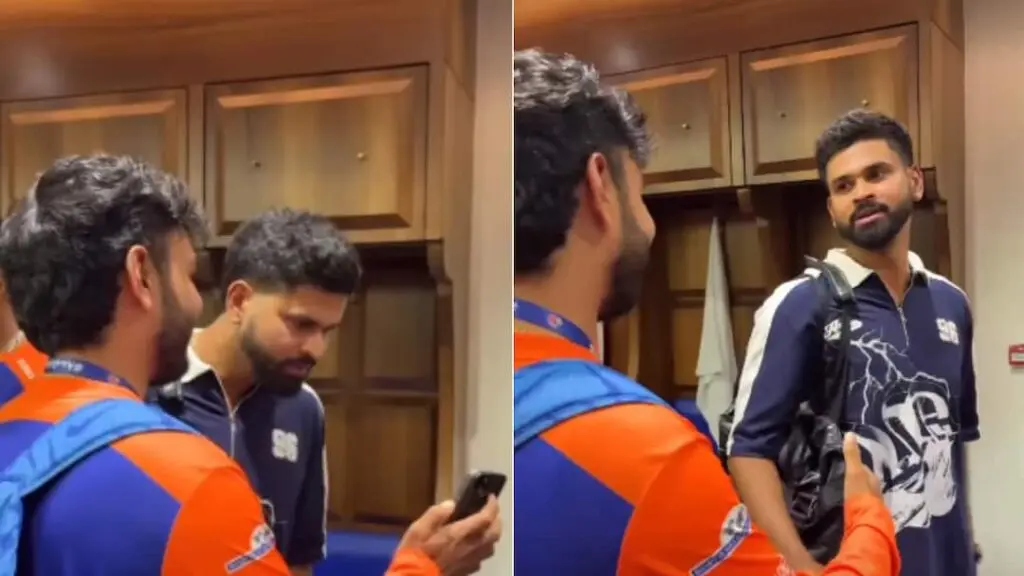
Earlier in the match, Pant also contributed with a clever piece of wicketkeeping. He and spinner Manav Suthar planned a dismissal of Sri Lanka batter Pasindu Sooriyabandara, with Pant advising Suthar on the delivery that led to the wicket. The moment was captured on camera and shared widely.
The second Test is being played in Colombo. India lead the two-match series 1-0 after winning the first Test.
Indian Opinion Analysis
The coverage from sports.ndtv.com is neutral reporting, focusing on two separate match moments without political or editorial slant. The first article highlights Harsha Bhogle's expert analysis of a turning point, while the second showcases Pant's tactical input in a dismissal. Both pieces treat the events as straight sports news, avoiding any framing of success or failure. The lack of variance across sources means readers get a consistent factual account. The key watch item is whether India can maintain its momentum to seal the series in the final session.
Coverage: 2 sources, 2 neutral
Sources (2): sports.ndtv.com (neutral report), sports.ndtv.com (2) (neutral report)
This brief was synthesised by AI from the 2 sources linked above, so one read covers every framing they carry. Methodology and corrections.
Updated: this story now draws on 2 sources.