











Now Reading: Himachal signs MoU to unlock Rs 22,600 crore forest economy
-
01
Himachal signs MoU to unlock Rs 22,600 crore forest economy


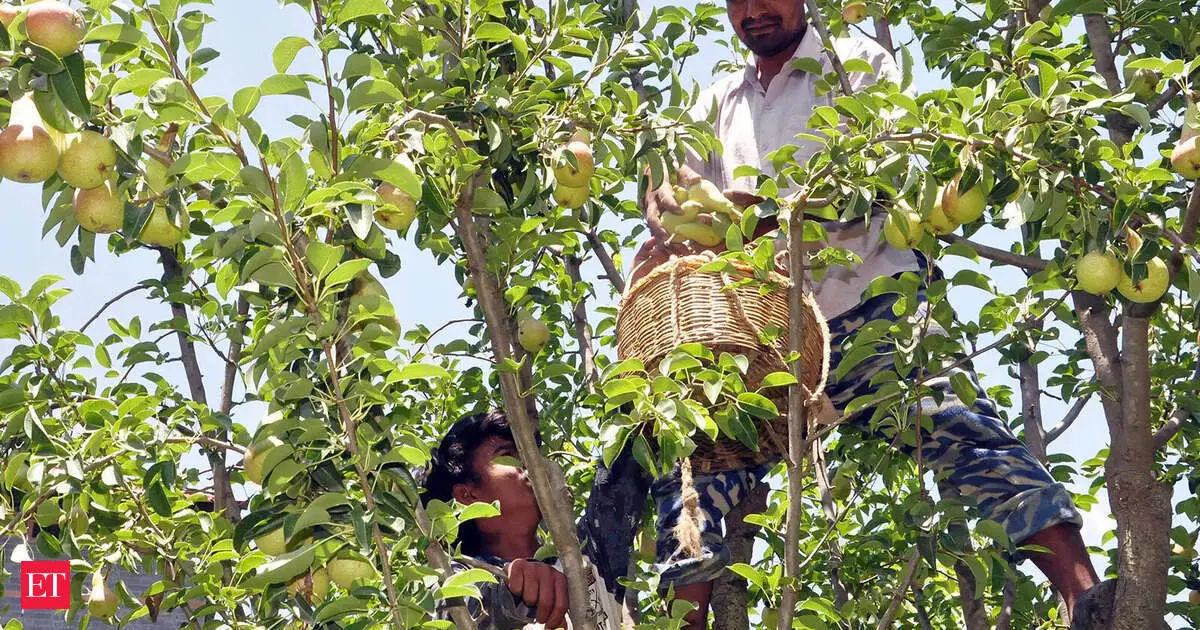
The Himachal Pradesh Forest Department signed a five-year MoU with the Bharti Institute of Public Policy, Indian School of Business (ISB-BIPP) on Thursday to unlock the state's estimated Rs 22,600 crore untapped forest and pastoral economy potential. Chief Minister Sukhvinder Singh Sukhu said the partnership would bring science, local communities and the government together to transform forest governance, focusing on medicinal plants like harad and bel and assessing the commercial value of thangi (hazelnut).
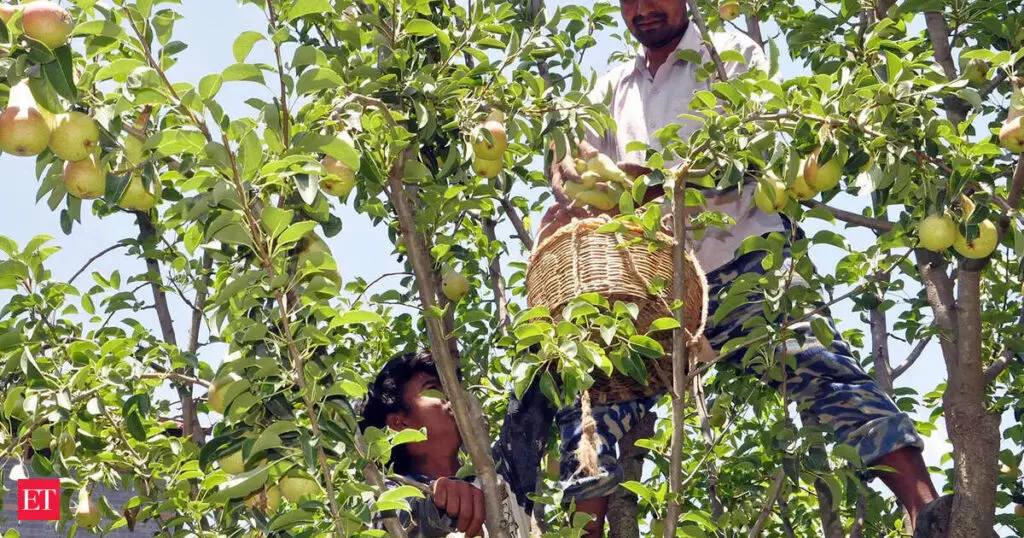
The MoU follows a joint forest inventory where over 500 forest guards collected more than 2 lakh tree-level records, combined with satellite imagery and AI tools. Five major bio-resources alone have an estimated untapped value: amla (Rs 8,700 crore), pine needles (Rs 5,500 crore), wild mangoes (Rs 4,800 crore), sal seeds (Rs 2,400 crore) and rhododendron flowers (Rs 1,200 crore). Extraction will be limited to a sustainable yield sweet spot to protect ecological balance.
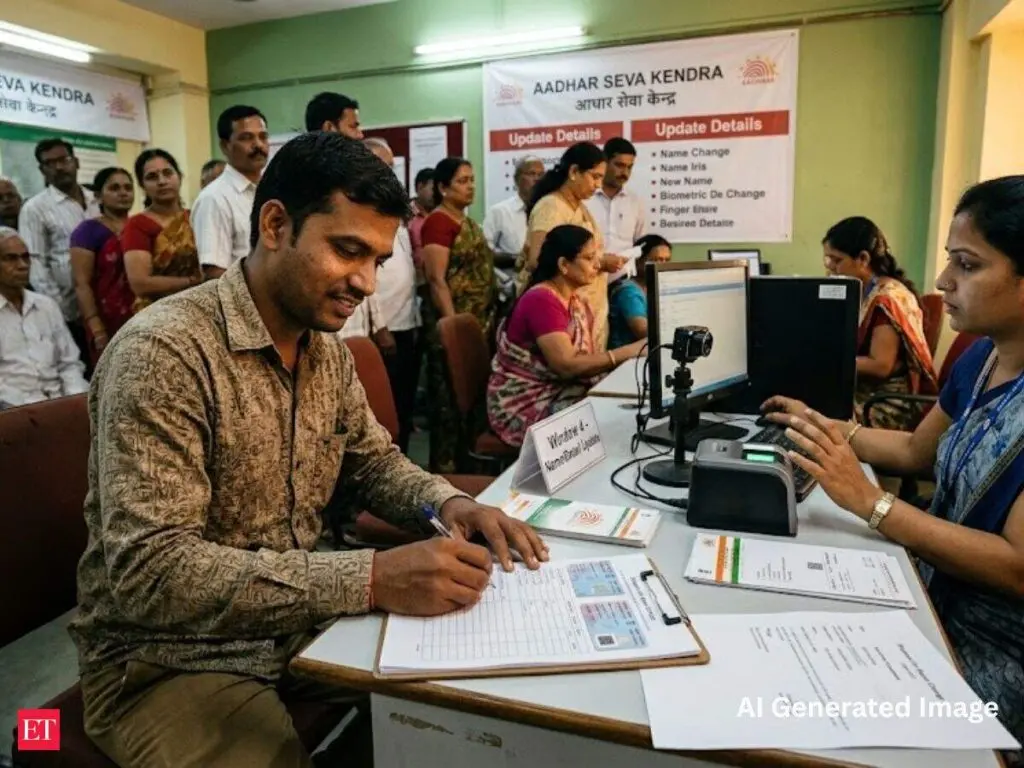
The partnership covers a Forest Intelligence Platform piloted in Palampur, a grazing portal linked to Aadhaar and Him Pariwar under the Himachal Grazing Policy 2026, and training for forest personnel. The data is already being used in the Palampur forest division's working plan, with the goal of covering the entire state.
Indian Opinion Analysis
This number, Rs 22,600 crore, is based on an inventory of just five bio-resources. The actual potential is far larger given himachal's 66% forest cover. The key next step is the Forest Intelligence Platform pilot in Palampur, which will test whether satellite and AI data can translate into sustainable extraction permits that benefit local communities, particularly women-owned enterprises like Pir Panjal Jungle Producer Company. The model must show it can avoid the deforestation trap that other states have fallen into when monetising forest wealth.
Source: economictimes.indiatimes.com
This story was synthesised by AI from the source linked above. Methodology and corrections.