







Now Reading: Hindustan Zinc, IIT Madras develop zinc-air electric three-wheeler prototype
-
01
Hindustan Zinc, IIT Madras develop zinc-air electric three-wheeler prototype

Hindustan Zinc, IIT Madras develop zinc-air electric three-wheeler prototype


The Story in Brief
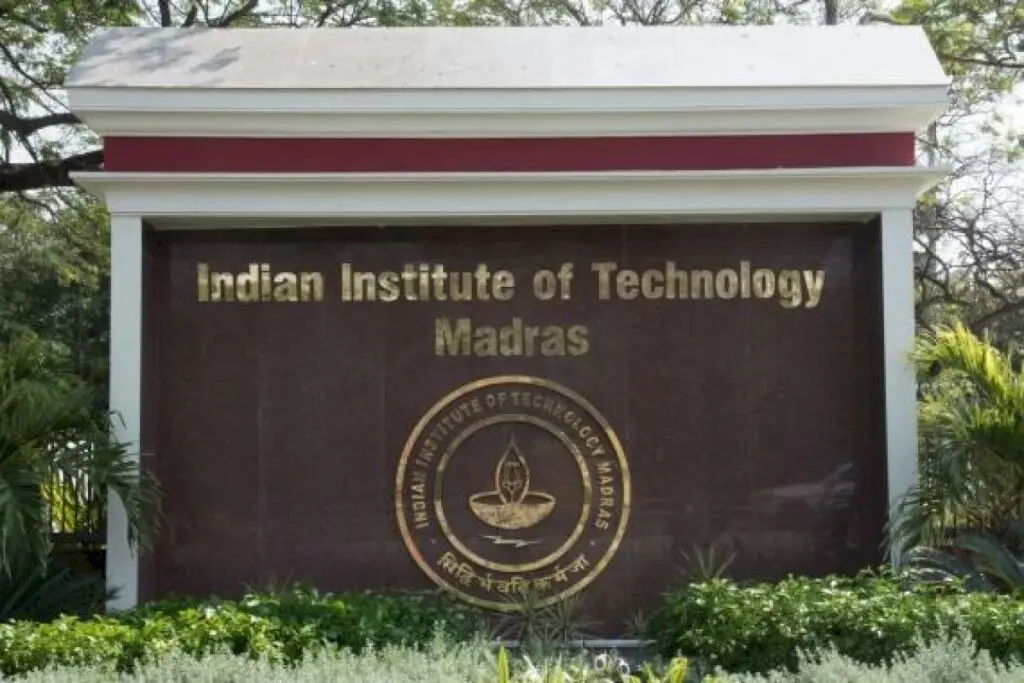
Hindustan Zinc and IIT Madras have developed an electric three-wheeler prototype combining an approximately 1 kWh zinc-air battery with a lithium-ion pack. Hindustan Zinc said on 26 November that the zinc-air unit supplies nearly 10 per cent of the vehicle’s total energy requirements.
The lithium-ion battery handles acceleration and other high-demand operations, while the zinc-air battery provides a steady energy supply. The collaboration began in 2024 and has moved from laboratory research to vehicle testing. The battery uses zinc and oxygen from the air, with a non-flammable, water-based electrolyte. Hindustan Zinc said the technology could support domestic energy storage and reduce dependence on imported battery materials. Further research is under way on performance, durability, charging or mechanical recharge systems, and deployment economics. V Kamakoti, director of IIT Madras, said the next phase would take the technology towards commercialisation.
Indian Opinion Analysis
The Hindu BusinessLine and CNBC-TV18 use uniform straight reporting, led by the prototype, its battery size and energy contribution. Business Standard adds a more expansive technology and commercialisation frame, including comments on cost, safety, supply chains and the next research phase. That account also gives greater weight to IIT Madras director V Kamakoti’s commercialisation comment, while the shorter reports leave out those details. Across the coverage, the demonstrated result is limited to vehicle-level integration, while commercial deployment still depends on further work on performance, durability, charging and economics. IIT Madras identifies commercialisation as the next phase.
Coverage: 2 sources, 2 neutral
Sources (2): Syndicated copy (carried by thehindubusinessline.com, cnbctv18.com), business-standard.com (neutral report)
This brief was synthesised by AI from the 2 sources linked above, so one read covers every framing they carry. Methodology and corrections.