



















Now Reading: Strait of Hormuz shipping stays at fraction of pre-war levels
-
01
Strait of Hormuz shipping stays at fraction of pre-war levels


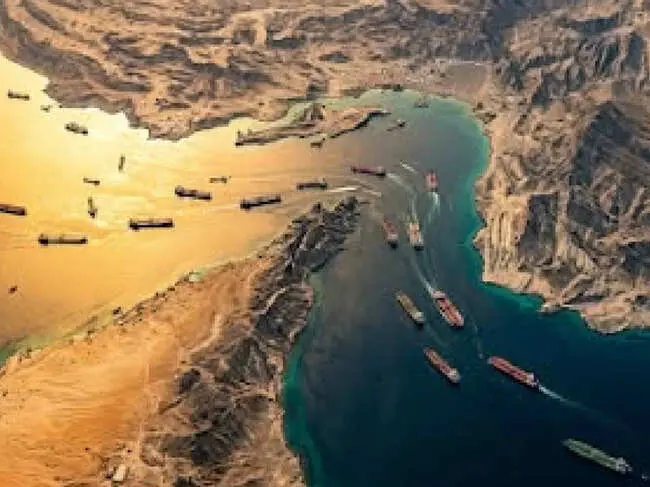
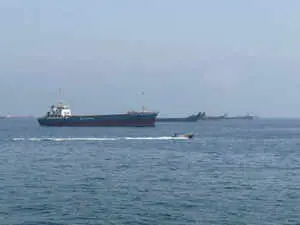
Six months into the Middle East war, commercial shipping through the Strait of Hormuz remains severely reduced. Maritime data from Kpler shows an average of just 15 commodity carrier transits a day between July 8 and August 22, compared with 95 a day in February before Iran blocked the strait following joint US-Israeli strikes. Traffic had briefly improved to 36 transits after a June US-Iran agreement, but fell again after hostilities resumed on July 8.
The International Maritime Organization reports 68 confirmed incidents in the Gulf, with at least 20 seafarers or port workers killed and 35 wounded. About half the incidents involved tankers. Around 500 ships and 6,000 sailors remain stranded. The IMO suspended its evacuation effort after a vessel attack. Iran has warned of a 1,400-square-kilometre danger zone where mines could be present. The strait normally carries about one-fifth of global oil and LNG exports.
Oil prices steadied on Tuesday after a 2% slide, with Brent at $92.25 a barrel. The UK Maritime Trade Operations reported an oil tanker struck by an unidentified projectile off Oman. US Treasury Secretary Scott Bessent announced broader sanctions against Iran, saying countries maintaining business ties with Iran would have to choose between those links and access to the dollar-based financial system.
Indian Opinion Analysis
All three sources report on the same incidents and data from the IMO and Kpler. Economic Times and New Indian Express lead with the disruption and human cost, while Times Now leads with oil price movements before mentioning the same IMO facts later. The pro-government framing is absent: none of the sources endorse or defend Iran's position. The neutral-report framing across all outlets means the coverage is straight factual reporting. The key tension is market impact versus maritime safety: the oil price story treats the disruption as a supply variable, while the shipping stories treat it as a humanitarian crisis. The IMO evacuation suspension remains the concrete next step to track.
Coverage: 3 sources, 3 neutral
Sources (3): economictimes.indiatimes.com (neutral report), newindianexpress.com (neutral report), timesnownews.com (neutral report)
This story was synthesised by AI from the 3 sources linked above. Methodology and corrections.
Updated: this story now draws on 3 sources.