
















Now Reading: India’s chemicals sector targets $300 billion by 2030
-
01
India’s chemicals sector targets $300 billion by 2030


The Story in Brief
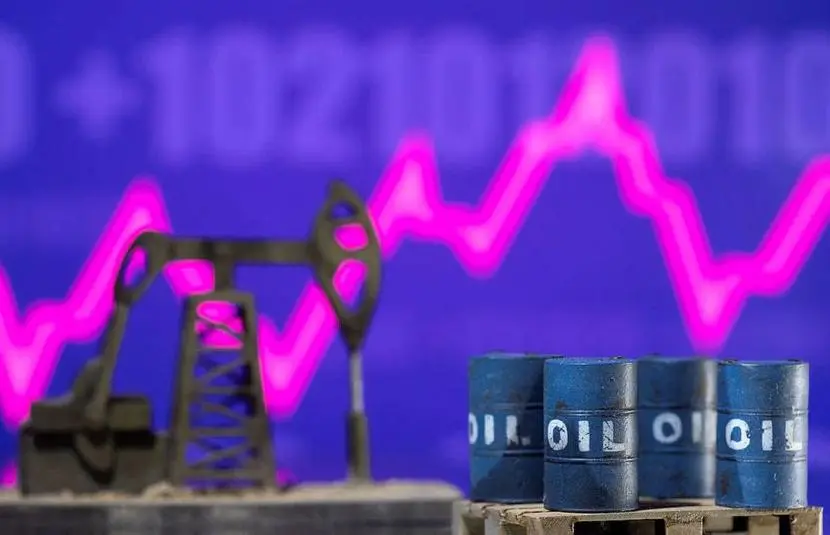
India's chemicals and petrochemicals industry, valued at about $220 billion, is projected to reach $300 billion by 2030 and $1 trillion by 2040, according to a government factsheet released on Saturday, 7 November. The sector is the sixth-largest producer globally and fourth-largest in Asia, the Department of Chemicals and Petrochemicals said.
FDI inflows into the sector reached Rs 1,04,895 crore between 2014 and 2026, more than double the Rs 45,240 crore recorded from 2004 to 2014. Production of major chemicals rose from 45,638 thousand metric tonnes in 2015-16 to 58,617 thousand metric tonnes in 2024-25. The industry comprises about 13,000 large units and 4.45 lakh MSMEs.
Government initiatives include the BHAVYA Rasayan Scheme, approved in July 2026, with an outlay of Rs 3,030 crore to establish three dedicated chemical parks. The Research, Development and Innovation (RDI) Scheme, launched in November 2025, has a corpus of Rs 1 lakh crore to support private-sector research.
Indian Opinion Analysis
The three sources covering the chemicals industry all reproduce the government factsheet with neutral-report framing, using identical figures and projections. The Hans India, BusinessLine and Sarkaritel each lead with the $300 billion and $1 trillion targets, attributing them to the government, and all list FDI inflows, production growth and the BHAVYA Rasayan and RDI schemes without independent comment or critique. This uniform straight reporting offers no divergent stance to analyse. The fourth source, Economic Times, covers a separate story on pharma API investments and is not relevant to this event. The key takeaway is the government's stated ambition: the sector's projected growth hinges on delivery of the chemical parks and RDI corpus, with the factsheet providing the baseline against which future policy outcomes will be measured.
Coverage: 4 sources, 4 neutral
Sources (4): thehansindia.com (neutral report), thehindubusinessline.com (neutral report), sarkaritel.com (neutral report), economictimes.indiatimes.com (neutral report)
This brief was synthesised by AI from the 4 sources linked above, so one read covers every framing they carry. Methodology and corrections.
Update, 7 November 2026: this story now draws on 4 sources.