






Now Reading: India needs second generation public exam reforms
-
01
India needs second generation public exam reforms


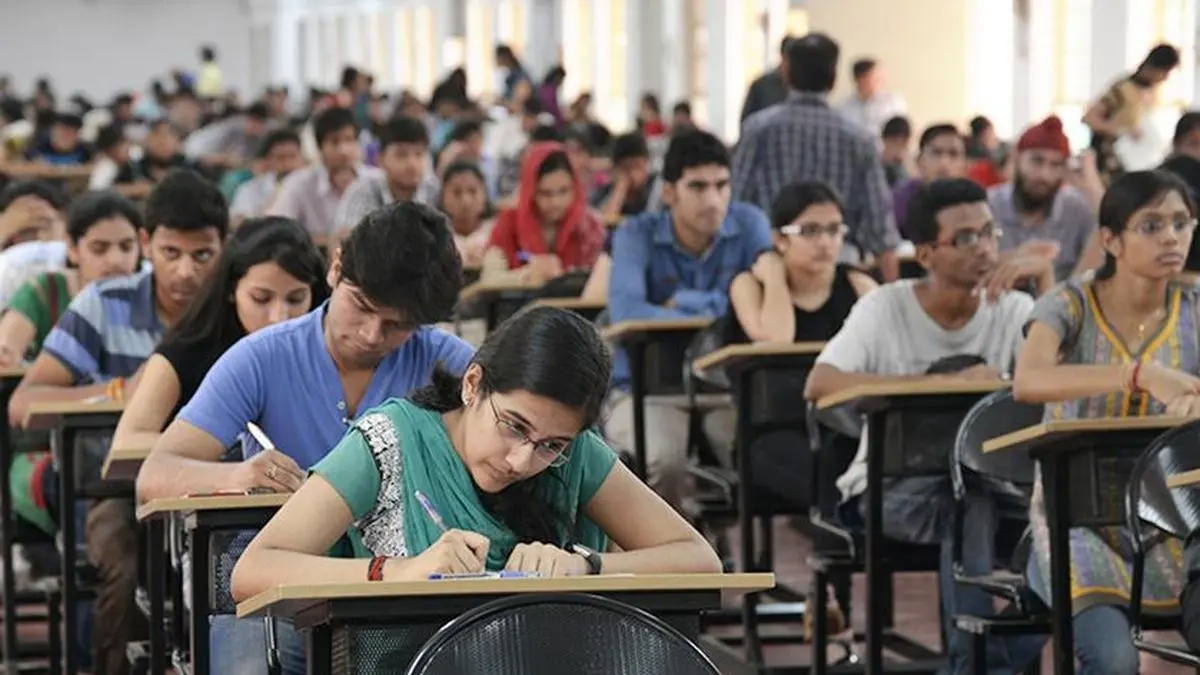
Recurring leaks and errors in NEET, UGC-NET and other public exams show that existing transparency safeguards are no longer enough, argues The Hindu. The paper calls for Public Examination Reform 2.0, standardised, independently auditable procedures across the entire exam lifecycle.
The first reform wave, driven by RTI Act provisions between 2006 and 2015, forced IIT-JEE and other bodies to publish question papers, provisional answer keys and selection criteria before exams. Candidates were given the right to challenge questions and verify their OMR sheets. These safeguards became the national standard but have not prevented recent vulnerabilities inside the exam setting stage itself. The NEET-2026 case involved a CBI chargesheet naming NTA subject-matter experts, suggesting the compromise reached the question paper drafting process.
Indian Opinion Analysis
The Right to Information Act of 2005 compelled public exam bodies to disclose procedures that were previously secret. That first reform wave fixed external transparency, candidates could see question papers and answer keys after the fact. The recurring NEET and UGC-NET failures since 2024 point to a different problem: the point of compromise has moved inside the exam body itself, to the question-setting stage where a small group of experts controls the paper. The CBI chargesheet in the NEET-2026 case named NTA panel members, showing that internal access, not external theft, is now the vulnerability. Standard operating procedures cannot close that gap unless they include biometric access logging, rotational question drafting, and real-time randomised question assembly, none of which are yet mandatory. The NTA's next step is the reconduct of three UGC-NET subjects, which will test whether the agency can deliver a leak-proof lifecycle, not just a leak-proof transport of printed papers.
Source: thehindu.com
This brief was synthesised by AI from the source linked above. Methodology and corrections.