










Now Reading: India pioneers world-first dual-console robotic heart bypass
-
01
India pioneers world-first dual-console robotic heart bypass


The Story in Brief
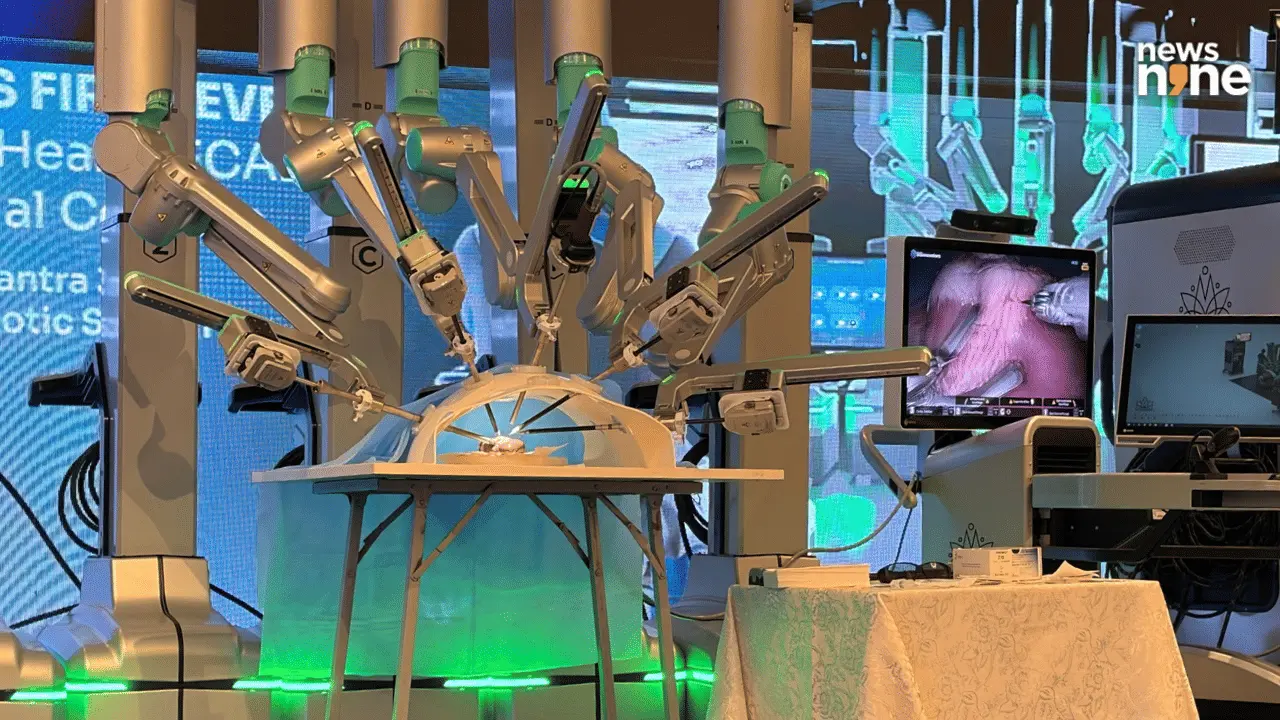
India achieved a global surgical milestone on 18 November as surgeons at Medanta Hospital in Gurugram performed the world’s first dual-console, five-arm robotic beating-heart Totally Endoscopic Coronary Artery Bypass (TECAB) procedure using the indigenous SSI Mantra Surgical Robotic System, developed by Indian medtech company SS Innovations International.
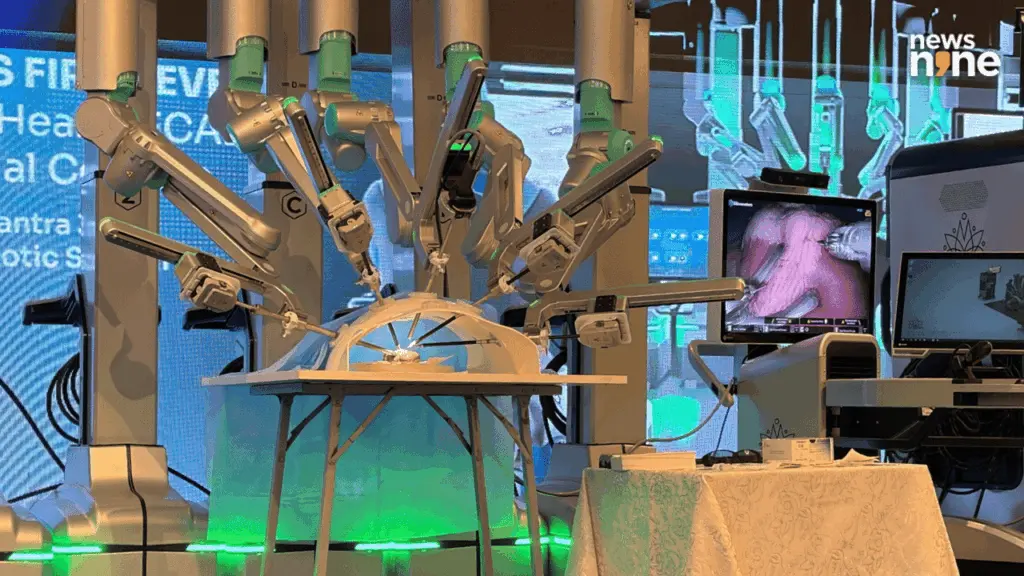
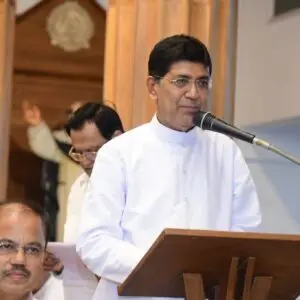
The surgery was led by Dr Nitin Kumar Rajput of Medanta and Dr Lalit Malik of Manipal Hospital, Jaipur, under the supervision of Dr Sudhir Srivastava, founder and CEO of SS Innovations International. Two surgeons operated from separate consoles using all five robotic arms in synchronisation, while a heart stabilisation system kept the target area steady as the patient’s heart continued beating, avoiding the need for a heart-lung machine.
The patient’s recovery over 15 days was encouraging, Medanta said. Dr Srivastava stated the direct cost of disposables used with SSI Mantra is approximately one-third that of comparable robotic systems, with potential indirect savings from shorter hospital stays reducing recovery time from 10 days to five days.
Update, 18 November 2026: Times of India adds that Dr Srivastava said the direct cost of SSI Mantra disposables is approximately one-third that of comparable robotic systems, and noted potential savings from shorter hospital stays, with recovery time potentially dropping from 10 days to five days. The other two sources confirm the procedure and patient outcome reported earlier.
Indian Opinion Analysis
All three sources report the same factual breakthrough: the world's first dual-console, five-arm robotic beating-heart TECAB procedure using the indigenous SSI Mantra system at Medanta, Gurugram. Times of India adds a cost advantage, quoting Dr Srivastava that the direct cost of disposables is approximately one-third that of comparable robotic systems, and notes potential savings from shorter hospital stays from 10 days to five days. News9 and Livemint focus more on technical milestones and surgeon descriptions, with Livemint citing Medanta that long-term clinical effects will determine the procedure's benefits. The coverage is uniformly positive and straight reporting, with the cost and recovery-timeline detail being the only substantive new element Times of India introduces beyond the core event. The next milestone will be the peer-reviewed publication of the procedure's outcomes, which none of the sources cite.
Coverage: 3 sources, 3 neutral
Sources (3): news9live.com (neutral report), livemint.com (neutral report), timesofindia.indiatimes.com (neutral report)
This brief was synthesised by AI from the 3 sources linked above, so one read covers every framing they carry. Methodology and corrections.