













Now Reading: India plans 20 to 25 year strategy to cut critical tech dependence
-
01
India plans 20 to 25 year strategy to cut critical tech dependence



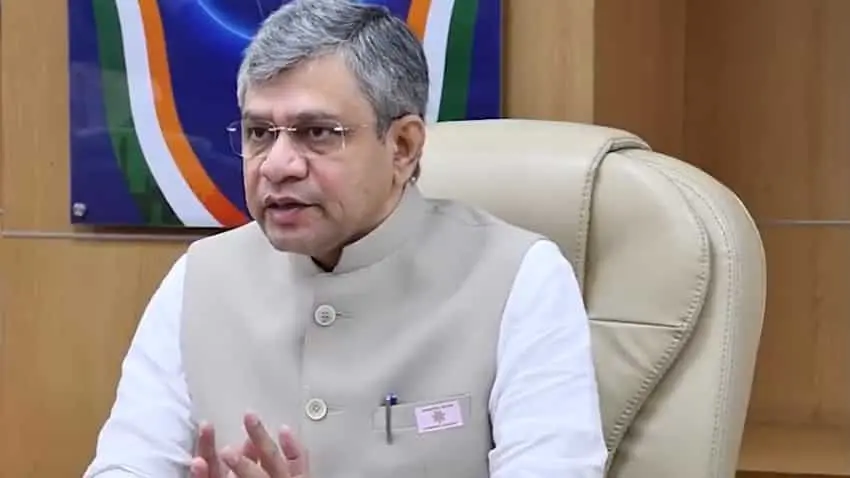
Union Minister Ashwini Vaishnaw has said India is planning over a 20 to 25 year horizon to reduce critical technology dependencies and strengthen its ability to withstand global disruptions. Speaking at the Bloomberg New Economy Forum on Wednesday, 14 October, Vaishnaw said the government was identifying areas where reliance on other countries could leave production and the economy vulnerable to changing policies and geopolitical tensions. He emphasised that India aims to become a trusted global supply chain partner rather than pursue complete self-sufficiency.
Vaishnaw outlined short-term goals of three to five years, medium-term targets of five to 15 years and long-term ambitions of 20 to 25 years. He said the second phase of India's semiconductor programme would focus on developing the full ecosystem, including materials, chemicals, gases and substrate materials. The minister also flagged risks from artificial intelligence on employment and debt levels in advanced economies, warning of ‘extremely difficult times ahead’. India's public debt-to-GDP ratio has fallen from 61 per cent to 55 per cent over five years, he added.
Indian Opinion Analysis
Both outlets report Vaishnaw's speech at the Bloomberg New Economy Forum with near identical wire copy. Mint leads with the 20-25 year horizon and resilience framing, while Economic Times opens with geopolitical risk and then devotes a full sub-heading to semiconductors. Neither carries criticism or alternative views, making the coverage uniform straight reporting on a policy statement. The differences are entirely editorial emphasis: Mint foregrounds the minister's remark that India will not pursue complete self-sufficiency, Economic Times gives more space to the ecosystem argument and AI risks. A balanced reader gets a detailed but unfiltered account of the government's stated technology strategy. The next concrete step is the second phase of India's semiconductor programme, which Vaishnaw said places greater emphasis on inputs such as chemicals and substrate materials.
Coverage: 2 sources, 2 neutral
Sources (2): livemint.com (neutral report), economictimes.indiatimes.com (neutral report)
This brief was synthesised by AI from the 2 sources linked above, so one read covers every framing they carry. Methodology and corrections.