








Now Reading: Apollo oncologist Harit Chaturvedi urges earlier cancer detection and screening in India
-
01
Apollo oncologist Harit Chaturvedi urges earlier cancer detection and screening in India

Apollo oncologist Harit Chaturvedi urges earlier cancer detection and screening in India


An op-ed in The Hindu by Dr. Harit K. Chaturvedi, CEO and Clinical Head of Apollo Oncology Network, argues that India's cancer strategy must shift toward prevention and early diagnosis. He writes…
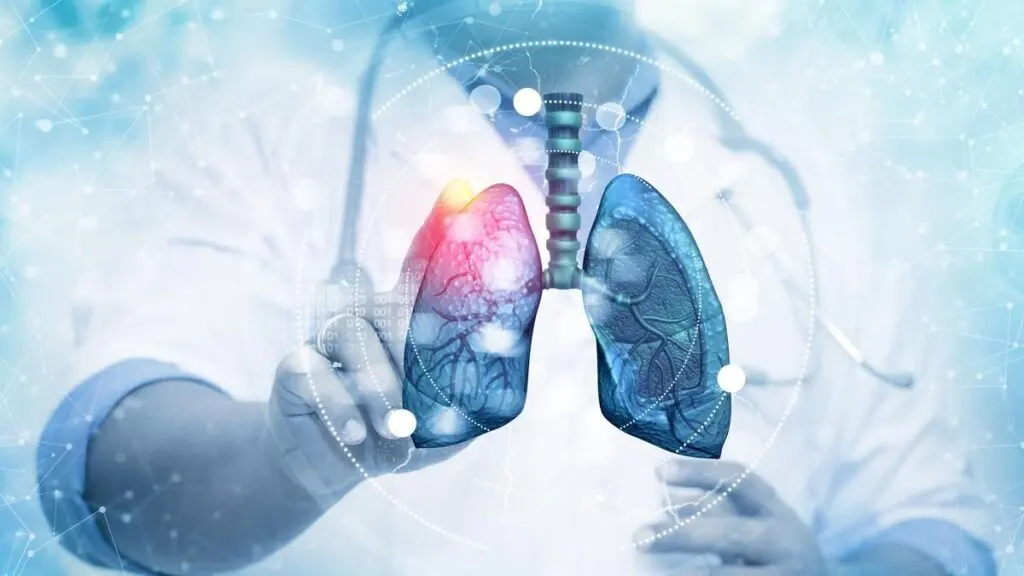
An op-ed in The Hindu by Dr. Harit K. Chaturvedi, CEO and Clinical Head of Apollo Oncology Network, argues that India's cancer strategy must shift toward prevention and early diagnosis. He writes that more than 70% of patients reach oncology clinics with advanced-stage disease, and that over three-quarters of cancer-affected households face catastrophic healthcare expenditure as a result. India recorded an estimated 1.56 million new cancer cases and more than 8,74,000 deaths in 2024, with lifetime cancer risk near 11% nationally and above 20% in some northeastern states. Chaturvedi cites five-year lung cancer survival of about 4% in India against nearly 33% in Japan, and calls for school-based health education alongside wider screening beyond the current focus on cervical, breast and prostate cancers. He points to blood-based multi-cancer early detection tests and artificial intelligence as tools that need Indian validation before wider use, and to NITI Aayog's support for an imaging biobank of more than 20,000 cancer patient profiles.
Indian Opinion Analysis
This is an opinion piece, and its prescriptions, including health education in schools carrying the same importance as mainstream subjects and a layered model of community health workers, digital risk assessment, AI and mobile diagnostics, are Chaturvedi's own argument rather than confirmed policy. He is explicit that multi-cancer blood tests still require careful evaluation for population-wide implementation. The 2024 case and mortality figures and the India-Japan survival comparison are the figures he cites in support of that argument. Watch for how the National Health Research Policy 2026, still in draft form when Chaturvedi cites it as an opportunity, is finalised.
Source: www.thehindu.com
This brief was synthesised by AI from the source linked above.