




Now Reading: Indira Gandhi: a legacy of war wins and democratic erosion
-
01
Indira Gandhi: a legacy of war wins and democratic erosion


The Story in Brief
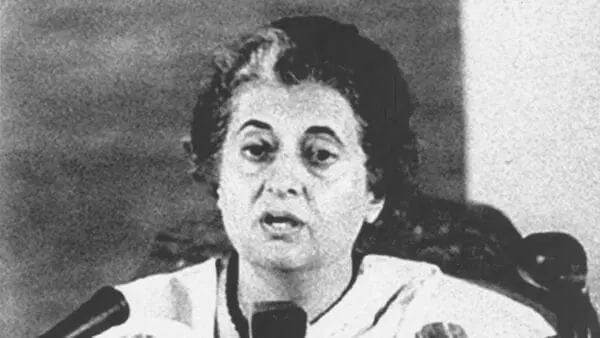
Editor-in-chief Shashi Shekhar, writing in Hindustan, recalls a September 1982 meeting with Indira Gandhi in Allahabad on the eve of her 42nd death anniversary, 31 October. The essay then weighs her political record, acknowledging the 1971 war, creation of Bangladesh, integration of Sikkim, Green Revolution, and foreign policy alignment with the Soviet Union as achievements, while noting the Emergency, dismissal of nine state governments, centralisation of the Congress party, the Punjab crisis leading to her assassination, and failure on Kashmir separatism as her democratic failings.
Shekhar argues the Janata Party’s decision to detain Gandhi in Tihar Jail in 1978 backfired, making her return to power inevitable, she swept the 1980 Lok Sabha polls with 353 seats. The piece concludes that regardless of her domestic record, her strategic assertiveness in Indian statecraft left an indelible mark.
Indian Opinion Analysis
The two outlets run identical text from the same author, Shashi Shekhar of Hindustan, so the coverage is uniform. What the piece itself achieves is a heavily balanced personal essay: it narrates a first-hand anecdote of meeting Indira Gandhi in 1982, then lists her strategic achievements (1971 war, Bangladesh, Sikkim, Green Revolution, foreign policy) in one set of paragraphs and her democratic failings (Emergency, dismissal of state governments, centralisation, the Punjab crisis leading to her assassination, the North-East and Kashmir conflicts) in the next. The essay does not adjudicate between them, it ends by stating her legacy of strategic assertiveness is undeniable. No source offers conflicting facts, so the reader gets the same plotted framing from both: her record is deeply contested, with no final net balance offered.
Coverage: 2 sources, 2 neutral
Sources (2): livemint.com (neutral report), hindustantimes.com (neutral report)
This brief was synthesised by AI from the 2 sources linked above, so one read covers every framing they carry. Methodology and corrections.