

Now Reading: ISRO not being privatised, says chairman Narayanan
-
01
ISRO not being privatised, says chairman Narayanan


The Story in Brief
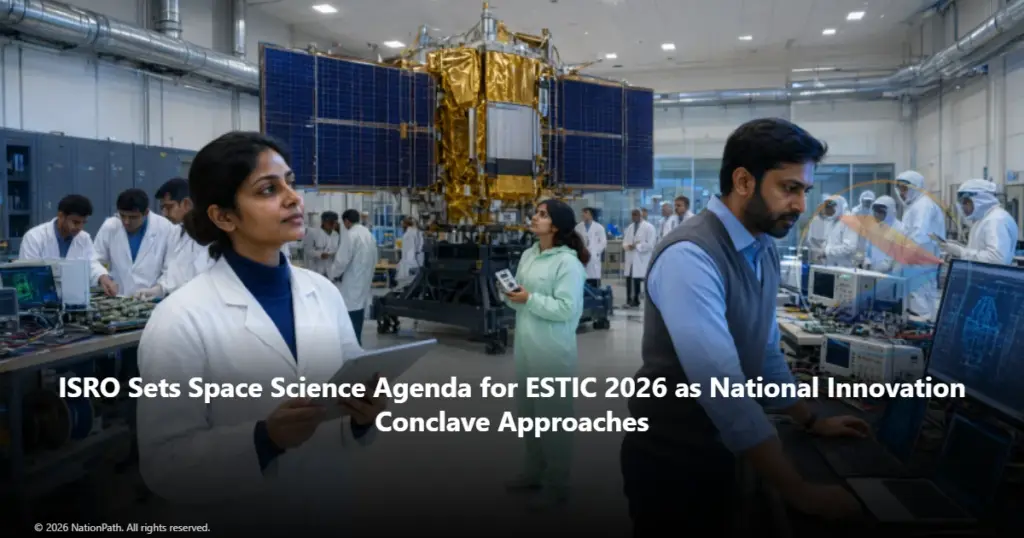
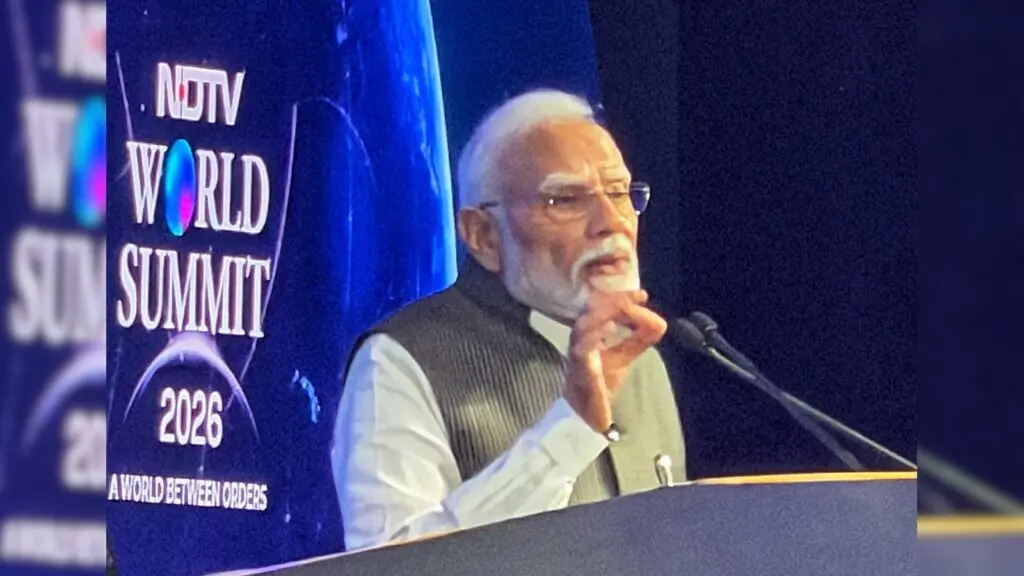
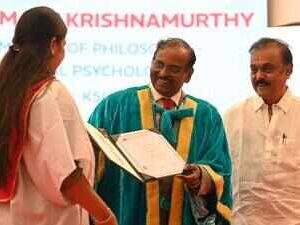
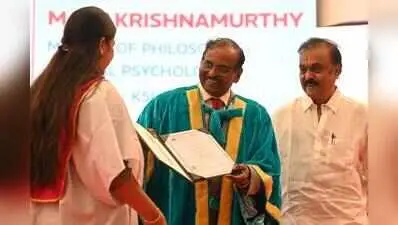
ISRO chairman V Narayanan said on Saturday, 24 October 2026, that the space agency will not be privatised, though some operations will be handled by the private sector on a commercial basis. Speaking at a graduation ceremony at Sri Ramachandra Institute of Higher Education and Research, he said the Indian Space Policy 2023 envisions ISRO handholding startups and private companies to expand the space ecosystem, and that 75% of the budget for each PSLV or GSLV launch goes to private industry.
The Times of India reports that by 2029 India will have four operational launch pads, including the third one at Sriharikota and the SSLV complex at Kulasekarapattinam. The first rocket from the SSLV complex is expected in 2027. Narayanan also said the first uncrewed Gaganyaan test will be conducted within two months, with three uncrewed tests planned before a crewed mission. The Hindu adds that Chandrayaan-4, planned for 2028, will land on the Moon and return with a sample.
Indian Opinion Analysis
Both outlets report Narayanan's denial of privatisation identically, but The Times of India leads with the expansion to four launch pads by 2029, while The Hindu foregrounds the reassurance that ISRO stays government-owned. The Times of India also adds detail on the Chandrayaan-5 collaboration with Japan, absent from The Hindu's account. The uniform element is Narayanan's framing of private-sector involvement as ecosystem building, not privatisation. Neither outlet presents any counter-argument or questioning from reporters. The concrete watch item remains the first uncrewed Gaganyaan test, expected within two months.
Coverage: 2 sources, 2 neutral
Sources (2): thehindu.com (neutral report), timesofindia.indiatimes.com (neutral report)
This brief was synthesised by AI from the 2 sources linked above, so one read covers every framing they carry. Methodology and corrections.