













Now Reading: Jharkhand scraps 44 exams, 2,000 appointed staff face sack
-
01
Jharkhand scraps 44 exams, 2,000 appointed staff face sack


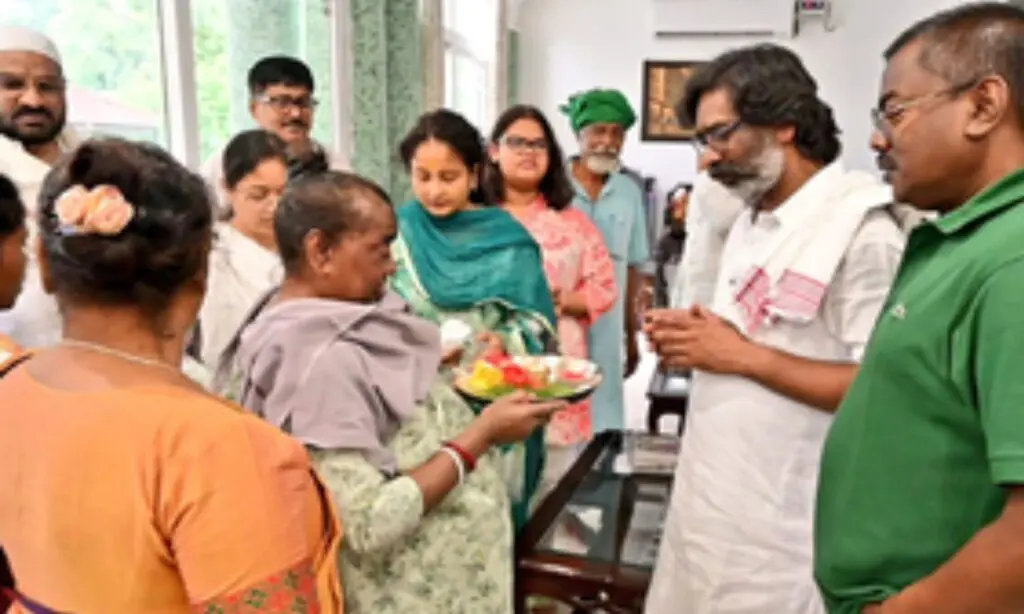
The Jharkhand government has cancelled 44 recruitment examinations conducted by the Jharkhand Public Service Commission and outsourced agency TSR Data Processing Pvt Ltd since 2014, following a 25-day student protest alleging paper leaks and malpractice. The list, released late on Tuesday night, includes tests for deputy collectors, civil judges, assistant professors, forest range officers, and drug inspectors. Chief Minister Hemant Soren announced an examination reforms committee under senior IAS officer Amitabh Kaushal and said a retired judge would probe the JPSC civil services exams.

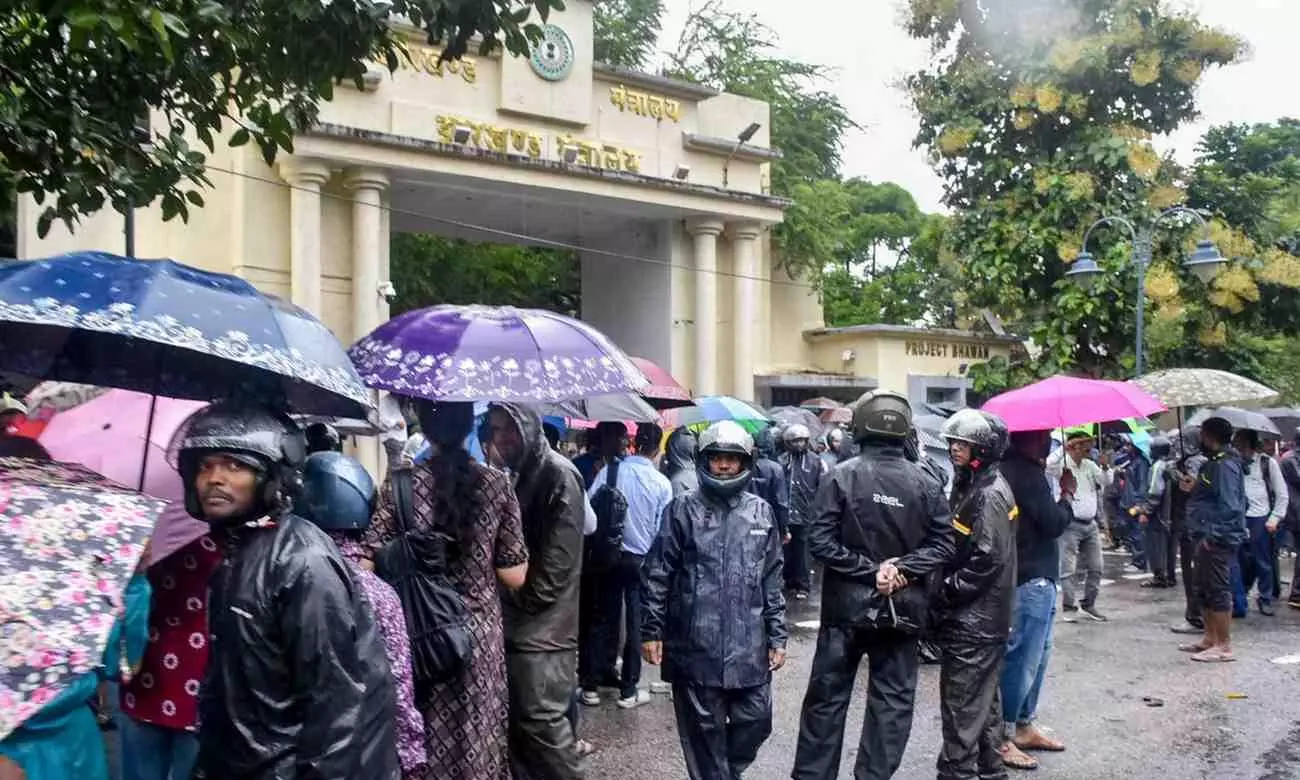
Over 2,000 candidates who cleared the JSSC Combined Graduate Level examination and had joined government departments now face job loss. They protested outside the state secretariat, demanding individual culprits be punished rather than the entire exam scrapped. Many said they had resigned from central government jobs. The JPSC-JSSC Reforms Manch, which led the student agitation, said it would decide its next steps after clarity on implementation. Leader Devendra Mahto ended his 16-day hunger strike but announced a second agitation phase.
The Criminal Investigation Department intensified its probe, arresting two more people linked to former TDPL employee Abhay Tiwari, who investigators say confessed to a rate-card system for exam passes ranging from Rs 2 lakh to Rs 70 lakh. The government will ask the High Court to set up a fast-track court for irregularities cases and will create internal vigilance cells in both recruitment commissions. The reforms committee has two months to submit its recommendations.
Indian Opinion Analysis
The coverage splits into three camps. Pro-government outlets like The Federal and Open Magazine lead with CM Soren's justification, a "huge exam racket" and the need to "restore confidence", and report the counter-protest only as context. Critical outlets like The Indian Express and National Herald foreground the appointed candidates' anguish, calling the decision a "blunt axe" that punishes the innocent, and highlight that the appointments had Supreme Court and High Court oversight. The wire copy (PTI) and neutral-report outlets like The Hindu and India Today present both sides sequentially: the student victory and the official rationale first, then the appointed candidates' protest and the legal background. No outlet names the 2,000 appointed candidates as a voting bloc, nor estimates the fiscal cost of re-running 44 exams. A careful reader should note that the Supreme Court had already conditioned those appointments on criminal-case outcomes, so the government's cancellation is legally defensible but politically explosive: it trades one protest for another. Watch whether the High Court grants a stay on the cancellations, and whether the CBI probe, demanded by both protesters and appointees, materialises.
Coverage: 22 sources, 22 neutral
Sources (22): thefederal.com (neutral report), tribuneindia.com (neutral report), indiatoday.in (neutral report), theprint.in (neutral report), thehindu.com (neutral report), newindianexpress.com (neutral report), siasat.com (neutral report), dnaindia.com (neutral report), m.economictimes.com (neutral report), indianexpress.com (neutral report), indiatvnews.com (neutral report), republicworld.com (neutral report), thefederal.com (2) (neutral report), indiatoday.in (2) (neutral report), timesofindia.indiatimes.com (neutral report), indiatodayne.in (neutral report), openthemagazine.com (neutral report), hindustantimes.com (neutral report), indiatoday.in (3) (neutral report), nationalheraldindia.com (neutral report), m.economictimes.com (2) (neutral report), newindianexpress.com (2) (neutral report)
This story was synthesised by AI from the 22 sources linked above. Methodology and corrections.
Updated: this story now draws on 22 sources.