




















Now Reading: Judge must be impartial but never indifferent: Justice Vikram Nath
-
01
Judge must be impartial but never indifferent: Justice Vikram Nath



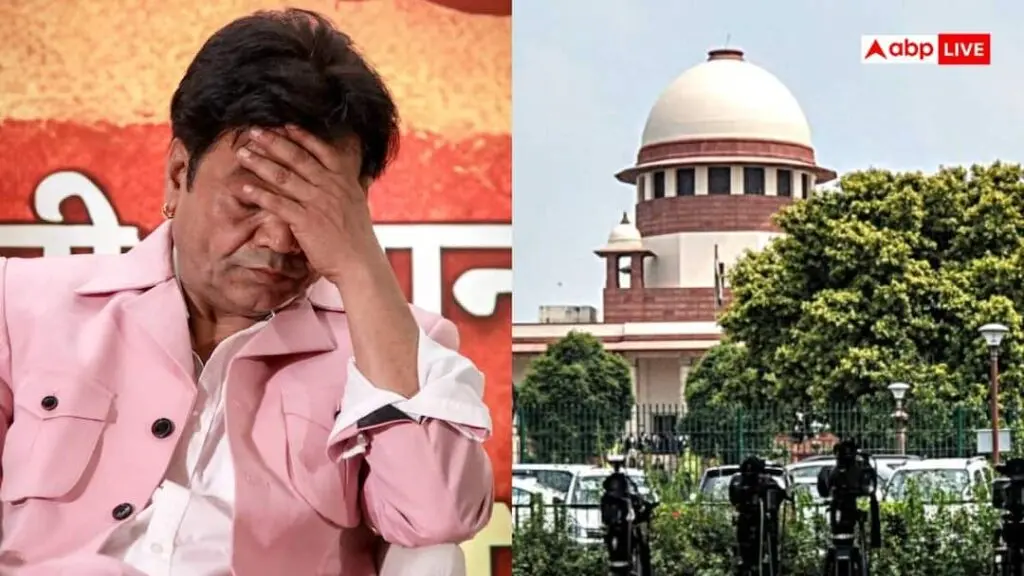
Supreme Court judge Justice Vikram Nath said on 5 October that compassion in judging is not favour or leniency but understanding the human circumstances behind a legal dispute. Speaking at the second Prof. N R Madhava Menon Memorial Lecture in New Delhi, he said the blindfold on Lady Justice means she does not look at who stands before her before deciding what is right, not that she cannot see. A judge must be impartial but never indifferent, he said.
Chief Justice of India Surya Kant said the law's first duty is to be understood by the people it governs. He called for legal aid at the police station, spaces where a child or survivor can testify without facing the accused, and judgments written in a language litigants can read. Compassion in judging is not sympathy or charity but the discipline of seeing the whole human situation behind a case, he said.
Indian Opinion Analysis
All three sources reported the same lecture with near-identical wire-copy phrasing, making the coverage uniform straight reporting. The Express led with Justice Nath's distinction between impartiality and indifference, while Times Now led with CJI Kant's call for the law to be understood. Times of India ran a balanced lead combining both judges' remarks. No source omitted the other's speech, and none added an ideological frame. The lecture's central tension, between compassion and procedural fairness, is left open, with Justice Nath insisting a trauma-informed courtroom is not a softer one.
Coverage: 3 sources, 3 neutral
Sources (3): indianexpress.com (neutral report), timesnownews.com (neutral report), timesofindia.indiatimes.com (neutral report)
This brief was synthesised by AI from the 3 sources linked above, so one read covers every framing they carry. Methodology and corrections.