
















Now Reading: Green gram yield in north Karnataka may drop 30% this season
-
01
Green gram yield in north Karnataka may drop 30% this season


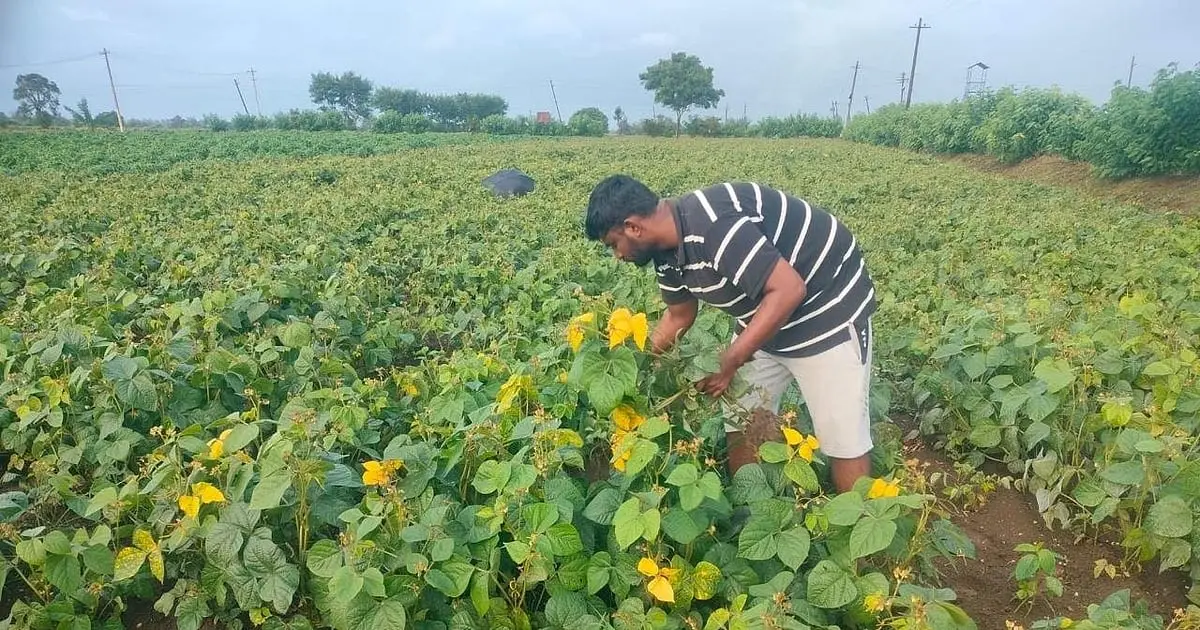
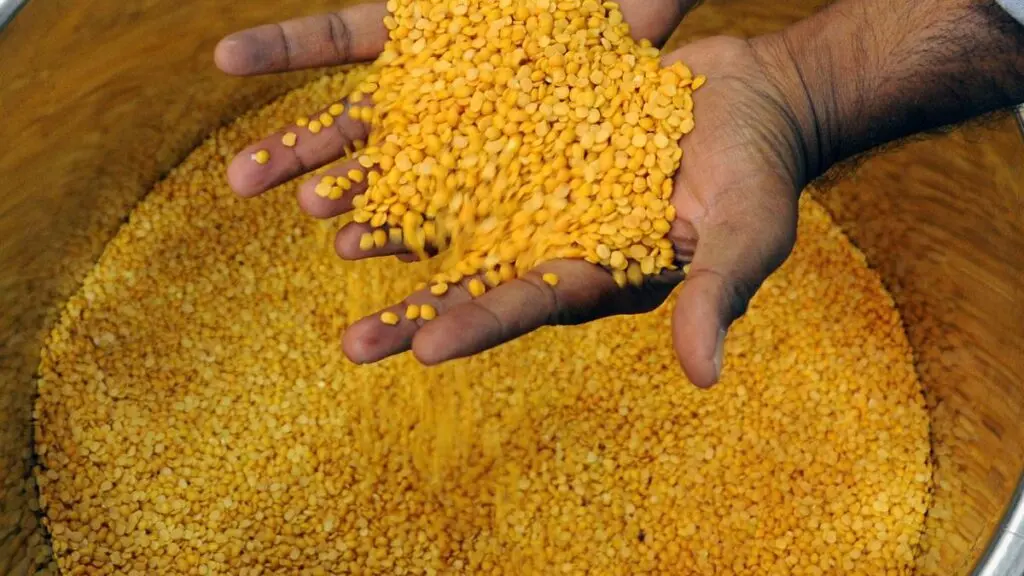
Green gram harvest in north Karnataka is expected to fall by about 30% this kharif season, hit by a 35% rainfall deficit, yellow mosaic disease, and pest attacks, the Deccan Herald reports. The crop was sown in 87% of the target area of 4.5 lakh hectares, but erratic weather and disease have slashed yields. Farmers in Dharwad, Gadag, Haveri, Koppal, Belagavi, Bagalkot, Vijayapura and Yadgir, which account for half of Karnataka's green gram acreage, are the worst affected.
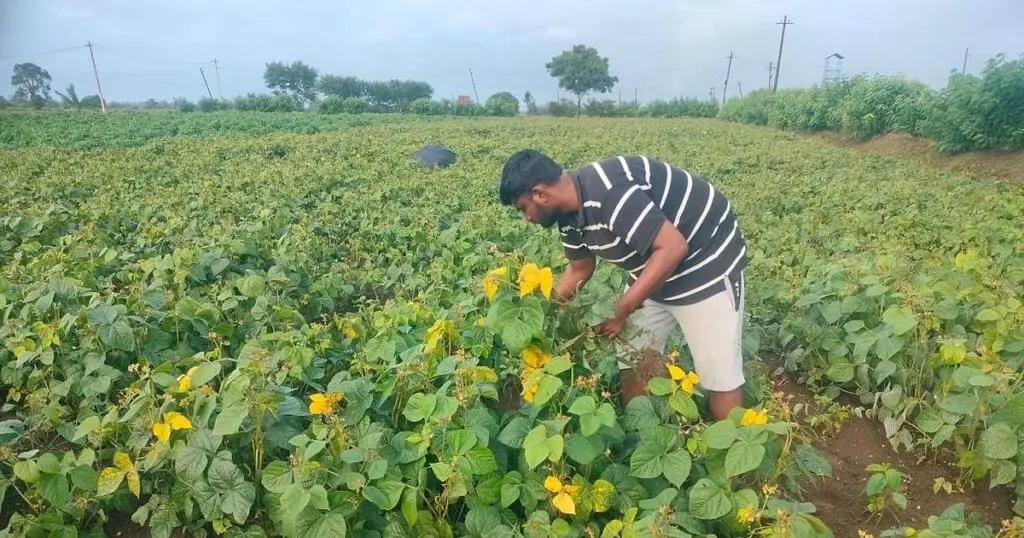
Delayed monsoon and prolonged cloudy weather triggered yellow mosaic disease spread by whiteflies, said Dr B H Prasannakumar of the University of Agricultural Sciences, Dharwad. Pest attacks have been reported in green gram, black gram and soybean fields, said joint director of agriculture Manjunath Antaravalli. Farmer Mallikarjun Balangoudar said pod formation was poor and yields may fall to 300 kg per hectare from the normal 500 kg.
Prices have fallen below the minimum support price of Rs 8,780 per quintal, with open market rates around Rs 7,500 per quintal. Farmers said the government has not opened procurement centres, forcing them to sell at a loss ahead of rabi sowing. The agriculture department has started awareness programmes on pest control.
Indian Opinion Analysis
The Deccan Herald's single-source reporting focuses on farmer and official accounts of crop damage, without contrasting government or miller perspectives. The article leads with yield decline and disease, framing the situation as a crisis driven by weather and delayed procurement. It omits any state response beyond awareness programmes. The sugarcane story from the same outlet similarly highlights farmer distress and low dam storage, but quotes a minister only on hoarding. The balanced reading is that both crops face genuine stress from rainfall deficit, but the coverage does not examine whether procurement delays are systemic or seasonal. The state's next step on opening centres will determine farmer losses.
Coverage is uniform straight reporting from a single outlet, so the differences are internal. Both articles lead with crop loss and farmer quotes, giving little space to official mitigation plans.
Coverage: 2 sources, 2 neutral
Sources (2): deccanherald.com (neutral report), deccanherald.com (2) (neutral report)
This brief was synthesised by AI from the 2 sources linked above, so one read covers every framing they carry. Methodology and corrections.
Updated: this story now draws on 2 sources.