
















Now Reading: Kerala launches Dakshayani scheme with Rs 10 lakh aid for SC women
-
01
Kerala launches Dakshayani scheme with Rs 10 lakh aid for SC women


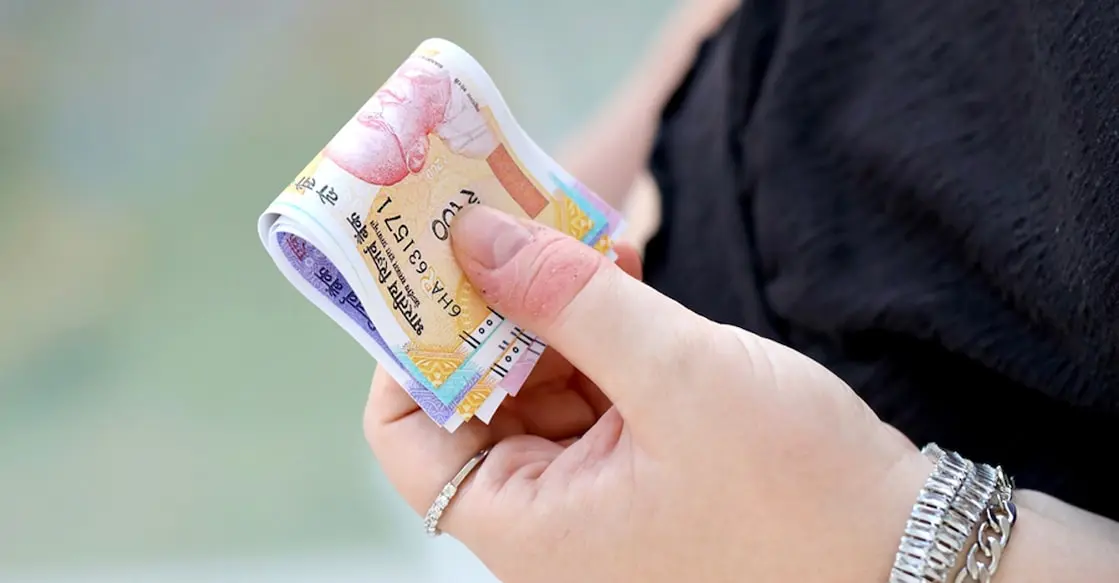
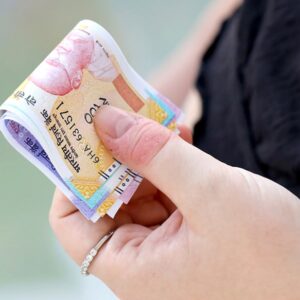
The Kerala government has launched the Dakshayani self-employment scheme to empower Scheduled Caste (SC) women. Eligible self-help groups with at least five SC women can apply for financial assistance of up to Rs 10 lakh to start or expand businesses.

The scheme, named after Constituent Assembly member Dakshayani Velayudhan, covers up to 75% of project costs capped at Rs 15 lakh. Funds will be disbursed in two instalments after verification by the Scheduled Castes Development Department.
In a separate move, the state has announced that ration cards inactive for six months will be deactivated under the Smart PDS project, with a 90-day grace period for e-KYC reactivation. The Motor Vehicles Department also began imposing Rs 5,000 fines for each illegal vehicle modification following High Court directives.
Indian Opinion Analysis
The Dakshayani scheme targets SC women entrepreneurs who often lack collateral or credit access, offering grants rather than loans. By capping assistance at Rs 10 lakh per group and requiring Kudumbashree or district registration, the government ensures institutional oversight but may limit reach for informal collectives. The ration card deactivation rule pressures families to complete e-KYC, potentially disrupting supplies for those without digital access. The Rs 5,000 fine on vehicle modifications, ordered by the High Court, targets a growing trend of unsafe alterations for social media content. All three measures take effect immediately, with the ration card grace period running 90 days from the date of deactivation notice.
Source: onmanorama.com
This brief was synthesised by AI from the source linked above. Methodology and corrections.