





Now Reading: Madras HC refuses to reject election petition against ex-MLA Esakki Subaya
-
01
Madras HC refuses to reject election petition against ex-MLA Esakki Subaya

Madras HC refuses to reject election petition against ex-MLA Esakki Subaya

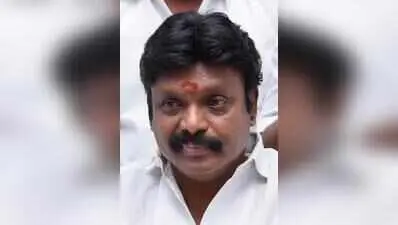
The Madras High Court on Thursday (1 October 2026) refused to reject an election petition challenging the victory of former AIADMK MLA Esakki Subaya from the Ambasamudram constituency in the 2026 Tamil Nadu assembly elections. Justice P B Balaji held that the voter who filed the petition had laid down foundational facts that required trial, and the petition could not be dismissed at the threshold for want of cause of action.
However, the court struck down the voter's plea to declare the second-placed candidate as the winner, noting that such a relief is only possible when there are exactly two candidates. Since more than two candidates contested, the court paved the way for a bye-election in Ambasamudram. Subaya had won by a margin of 10,000 votes on an AIADMK ticket, resigned soon after, had his resignation accepted by the Speaker, and then joined the TVK party. The court has reserved orders on a separate challenge to the acceptance of his resignation.
Indian Opinion Analysis
Both LiveLaw and The Times of India report the same core ruling, the court kept the election petition alive but rejected the demand to declare the runner-up the winner, clearing a bye-poll. LiveLaw provides the fuller legal reasoning, quoting the judge on Supreme Court precedent and naming the voter as Kanthimathinathan and his specific allegations of bribery and undue influence under the Representation of People Act. The Times of India offers a shorter account focused on Subaya's argument that the petition lacked averments of inducement. Neither outlet frames the ruling as a win or loss for either side, both treat it as a procedural step. The next concrete development is the bye-election in Ambasamudram, which the court has now allowed.
Coverage: 2 sources, 2 neutral
Sources (2): livelaw.in (neutral report), timesofindia.indiatimes.com (neutral report)
This brief was synthesised by AI from the 2 sources linked above, so one read covers every framing they carry. Methodology and corrections.