









Now Reading: Maharashtra to screen 20 lakh govt school students for eye issues
-
01
Maharashtra to screen 20 lakh govt school students for eye issues


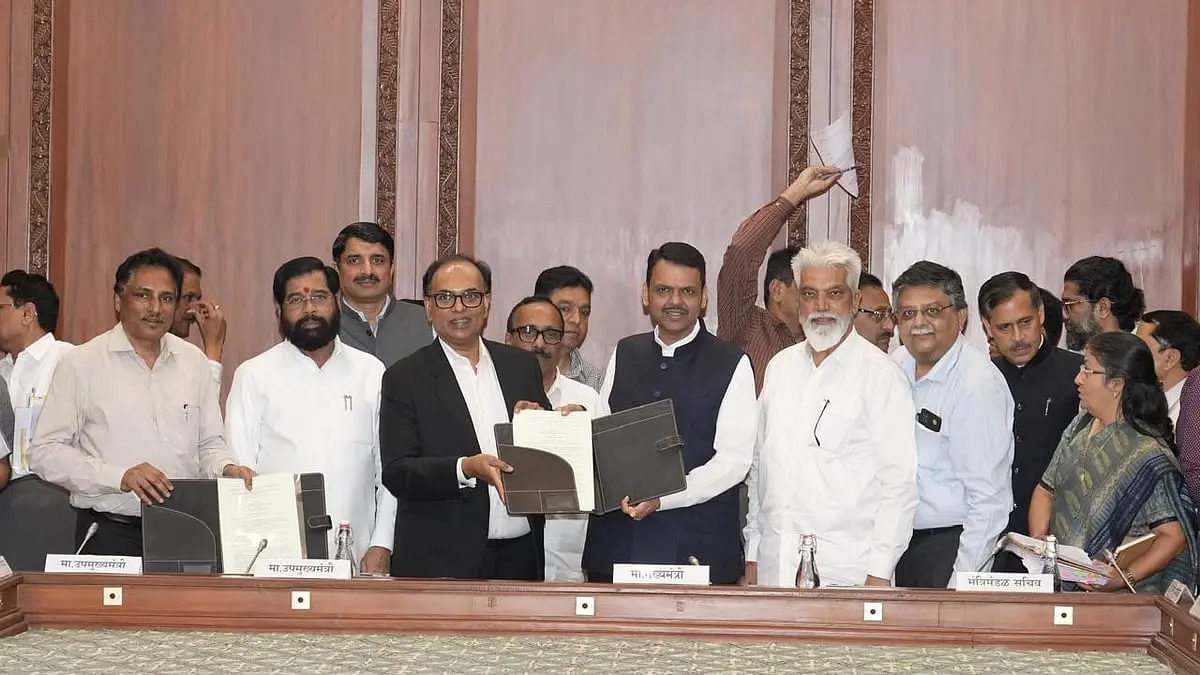
The Maharashtra School Education Department has signed a tripartite MoU with Ratna Nidhi Charitable Trust and OneSight EssilorLuxottica Foundation to conduct eye screenings for 20 lakh students in Classes 5 to 10 across government schools in the state. Students found to have refractive errors or vision problems will receive free prescription spectacles from the partner organisations.
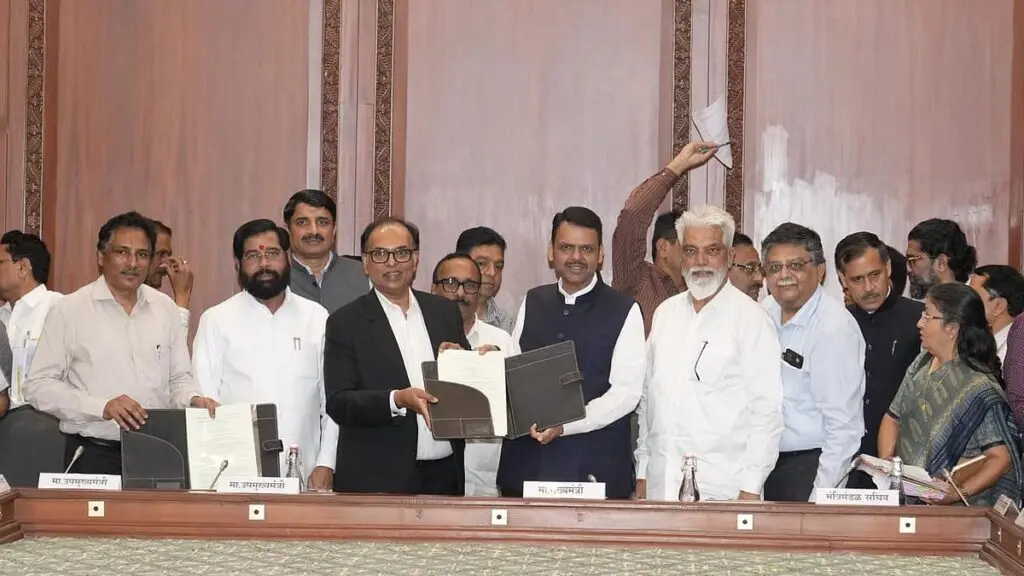
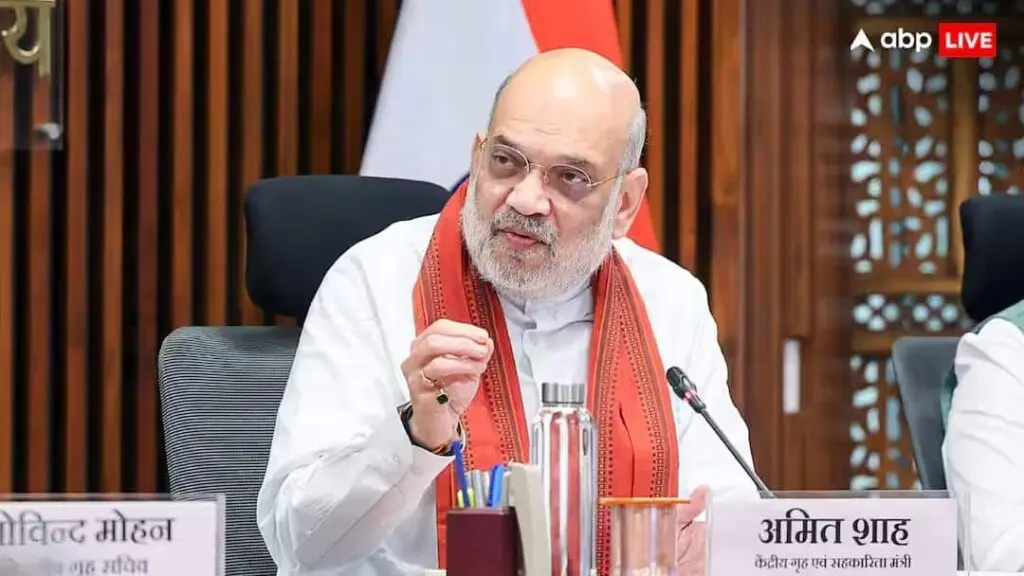
The agreement was signed at Sahyadri State Guest House in the presence of Chief Minister Devendra Fadnavis, Deputy Chief Minister Eknath Shinde and School Education Minister Dadaji Bhuse. The MoU will run for 36 months, with screening camps organised statewide and quarterly reports monitoring progress, including numbers screened and spectacles distributed.
The project expands on an earlier initiative running since 2019, under which over 6.8 lakh students from 800 schools across 18 districts were screened and more than 63,000 spectacles were distributed. The government said the expanded programme aims to enable early detection of eye problems and support classroom learning for children with vision defects.
Indian Opinion Analysis
Untreated refractive error is one of the most common yet easily corrected causes of poor academic performance among schoolchildren. The World Health Organization estimates that uncorrected refractive error accounts for nearly 43% of global visual impairment. By targeting 20 lakh students across Classes 5 to 10, Maharashtra's programme covers the age range where myopia often sets in or worsens. The state government bears no direct cost for the spectacles, with the private foundation supplying them under the MoU. The key metric to track will be the actual distribution rate versus the number of students identified as needing correction, as earlier programmes have sometimes faced gaps between screening and delivery of spectacles. The 36-month timeline allows for at least two full academic cycles of screening and follow-up.
Source: freepressjournal.in
This brief was synthesised by AI from the source linked above. Methodology and corrections.