









Now Reading: Manipal Hospitals launches bike ambulance service in Bengaluru
-
01
Manipal Hospitals launches bike ambulance service in Bengaluru



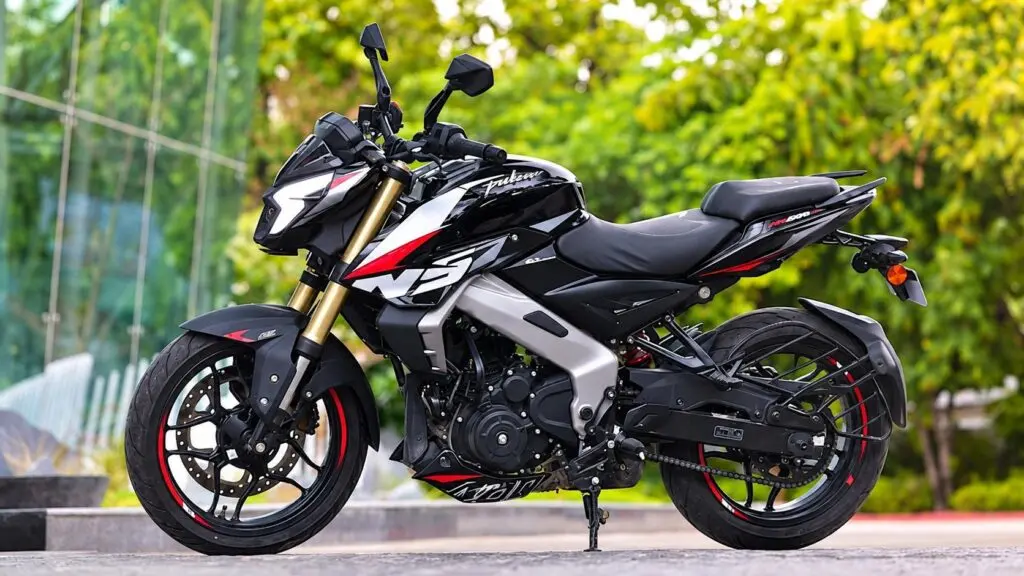
Manipal Hospitals on Thursday (1 October 2026) launched a two-wheeler first-responder service to provide emergency care in Bengaluru, targeting areas with narrow roads or heavy traffic where conventional ambulances struggle to reach. The service was flagged off by Health and Family Welfare Minister UT Khader.
The bike ambulances are stationed across 18 high-traffic zones including Old Airport Road, Indiranagar, Whitefield, Marathahalli and Yeshwanthpur. Each bike is equipped with first-aid kits, portable oxygen cylinders, trauma supplies, portable ECG machines and automated external defibrillators. The rider and pillion wear helmets with built-in microphones to stay in contact with patients and hospital teams.
When an emergency call comes in on helpline 080-22221111, the nearest bike ambulance is dispatched alongside a regular ambulance. The bike paramedic reaches first, assesses the patient, initiates care and relays real-time health data. The patient is then handed over to the regular ambulance for transport to hospital.
Indian Opinion Analysis
Both outlets covered the launch as a straightforward news event, with nearly identical factual detail. The Hindu led with the traffic congestion rationale, while the Deccan Herald added the health minister's call for the model to be adopted by other hospitals and Dr Ballal's mention of GPS tracking and central command integration. Neither source carried any political slant or editorialising. The uniform reporting reflects the event's nature as a service announcement with no controversy. The next practical point is how the 18-station network performs in actual response times, though no assessment date has been set.
Coverage: 2 sources, 2 neutral
Sources (2): thehindu.com (neutral report), deccanherald.com (neutral report)
This brief was synthesised by AI from the 2 sources linked above, so one read covers every framing they carry. Methodology and corrections.