















Now Reading: Maruti Suzuki accounts for 90% of India’s EV exports
-
01
Maruti Suzuki accounts for 90% of India’s EV exports


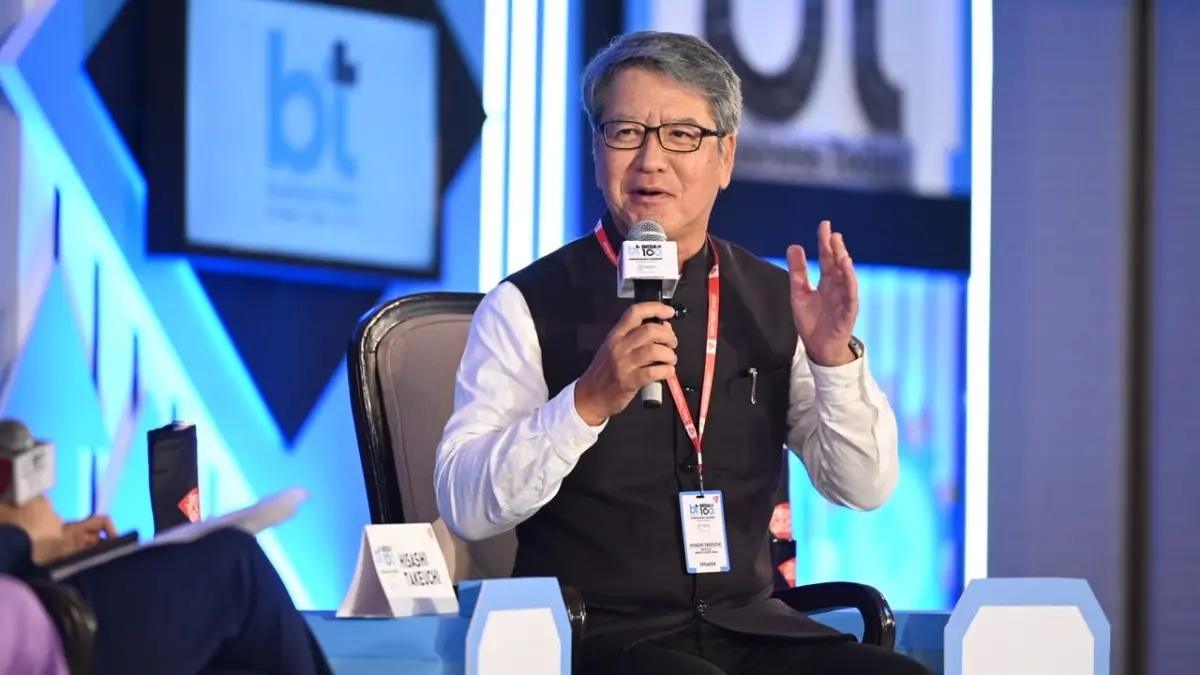
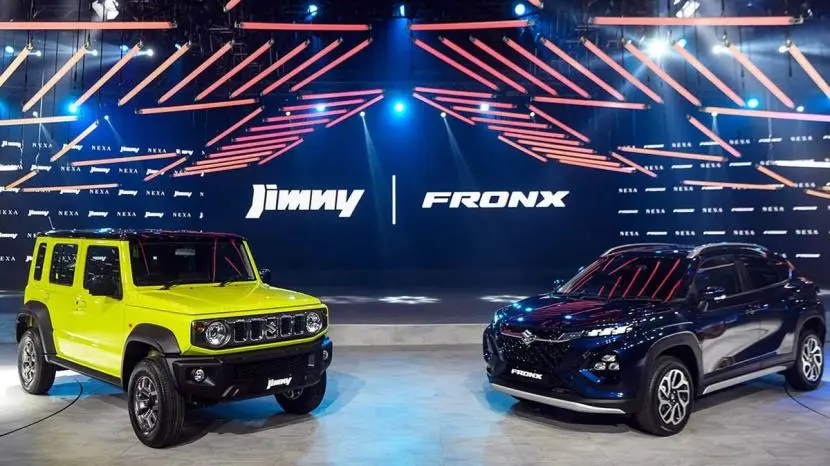
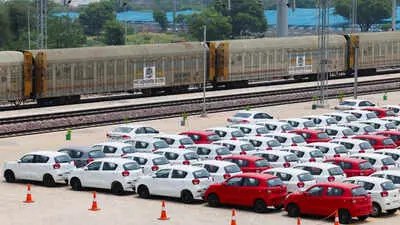
Maruti Suzuki India Managing Director and CEO Hisashi Takeuchi has said that the company accounts for 90% of all electric vehicles exported out of India. The carmaker's share in total passenger vehicle exports from the country rose to 55% in the financial year 2026-27, while its domestic market share stands at about 41%.
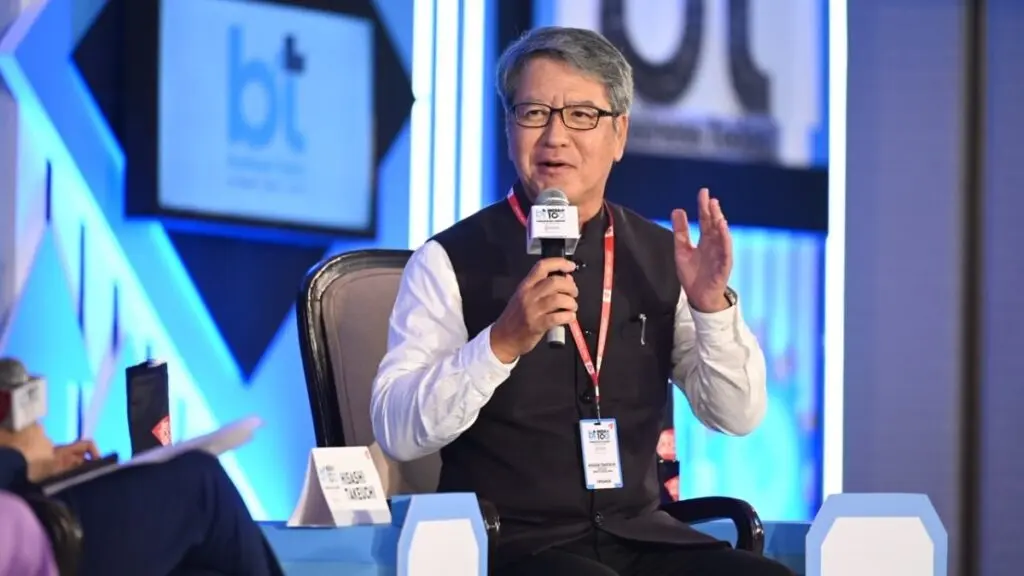
Takeuchi said India is a very important manufacturing hub for the Suzuki Group. He added that the future mobility market will be defined by a mix of technologies rather than a rapid shift to electric vehicles alone. The company is making a big bet on biogas as a potential solution to both transport emissions and air pollution.
Takeuchi argued that biogas is carbon neutral or even carbon negative, making it better than EVs. Maruti Suzuki's board has approved four biogas plants in the first phase at a cost of Rs 561 crore. The company plans to learn more about the process and invest substantially in biogas production and distribution.
Indian Opinion Analysis
Maruti Suzuki's dominance in EV exports underscores how its parent Suzuki has bet on India as a global manufacturing base for small electric cars. The company's push into biogas, however, signals it is hedging against the risk that battery electric vehicles may not suit India's price-sensitive market or address the country's chronic air pollution from burning biomass. Biogas plants at Rs 561 crore are a small experiment relative to the carmaker's annual capex of over Rs 4,500 crore, but success could create a template for using agricultural waste as transport fuel. The key number to watch is the scale of Maruti's biogas output and whether the government offers policy support like it did for CNG.
Biogas technology is well established but has not been deployed at scale for vehicles in India. The government's SATAT scheme aims to set up 5,000 compressed biogas plants by 2023-24 but has achieved only a fraction of that target. Maruti's entry could accelerate adoption if it demonstrates a viable business model. The company's strategy of offering multiple fuel options, petrol, CNG, strong hybrids, EVs, and now biogas, mirrors its approach in Japan, where Suzuki has long sold minicars running on various fuels. Watch for Maruti's next board approval on biogas investment, expected in the coming months.
Source: businesstoday.in
This story was synthesised by AI from the source linked above. Methodology and corrections.