











Now Reading: Modi Rebukes Corporate India Over Weak Investment and Job Creation
-
01
Modi Rebukes Corporate India Over Weak Investment and Job Creation

Modi Rebukes Corporate India Over Weak Investment and Job Creation

The Story in Brief
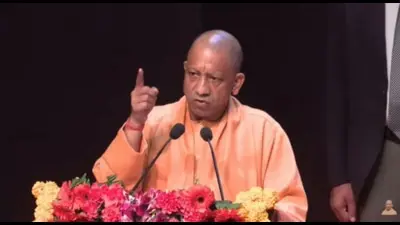
Prime Minister Narendra Modi criticised Indian companies over weak investment, wages, employment and manufacturing progress, questioning their response to tax benefits and government incentives. The Hindu reports that he also asked why firms reserve their best-quality products for export markets rather than Indian consumers.
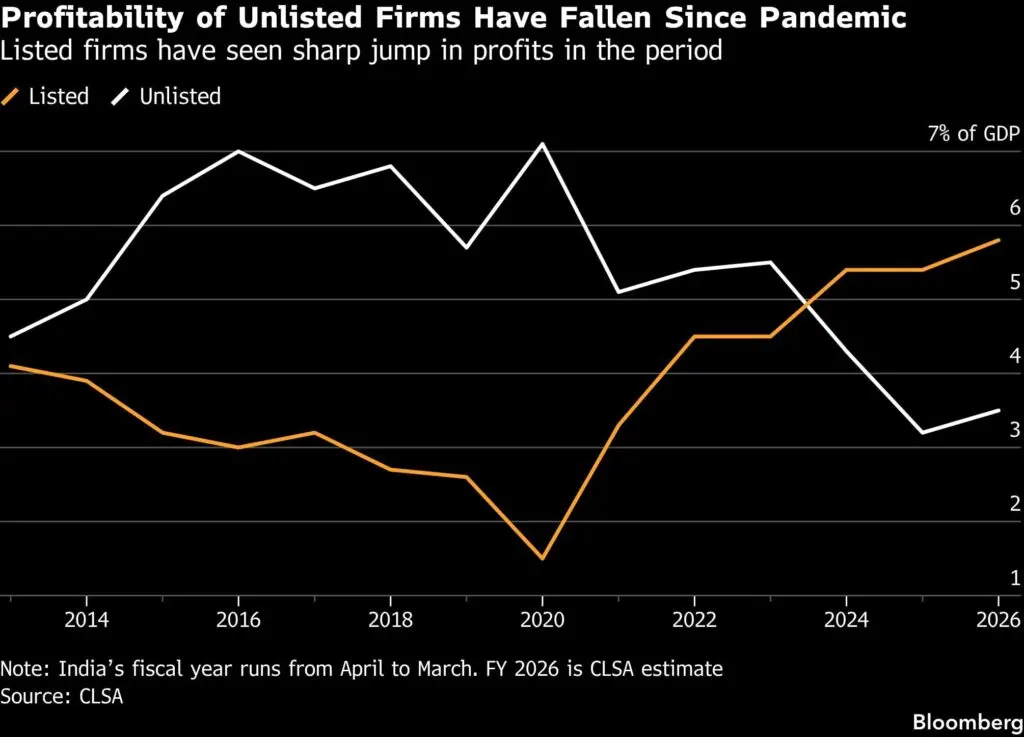
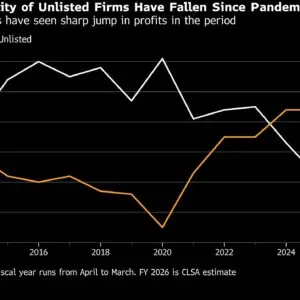
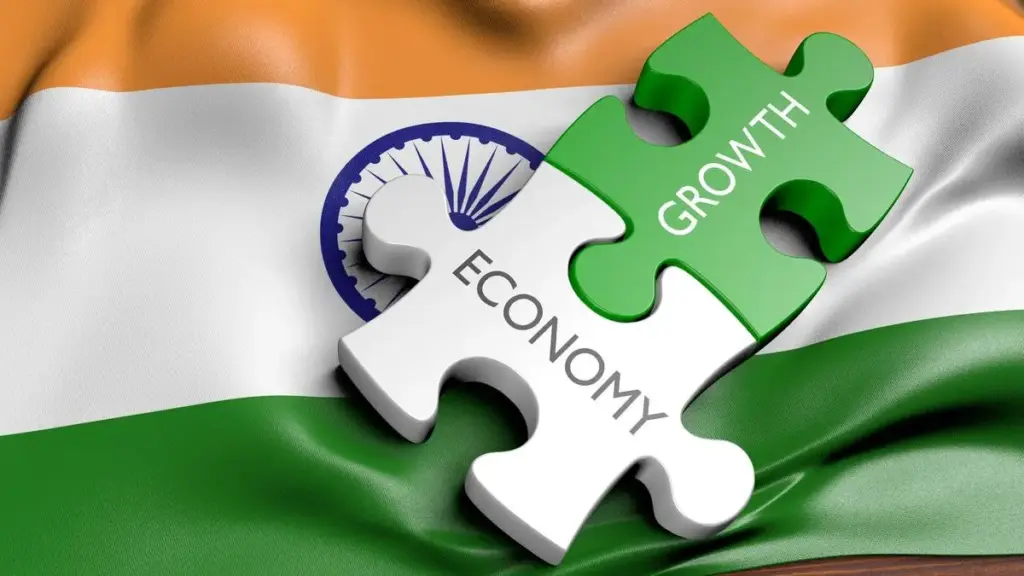
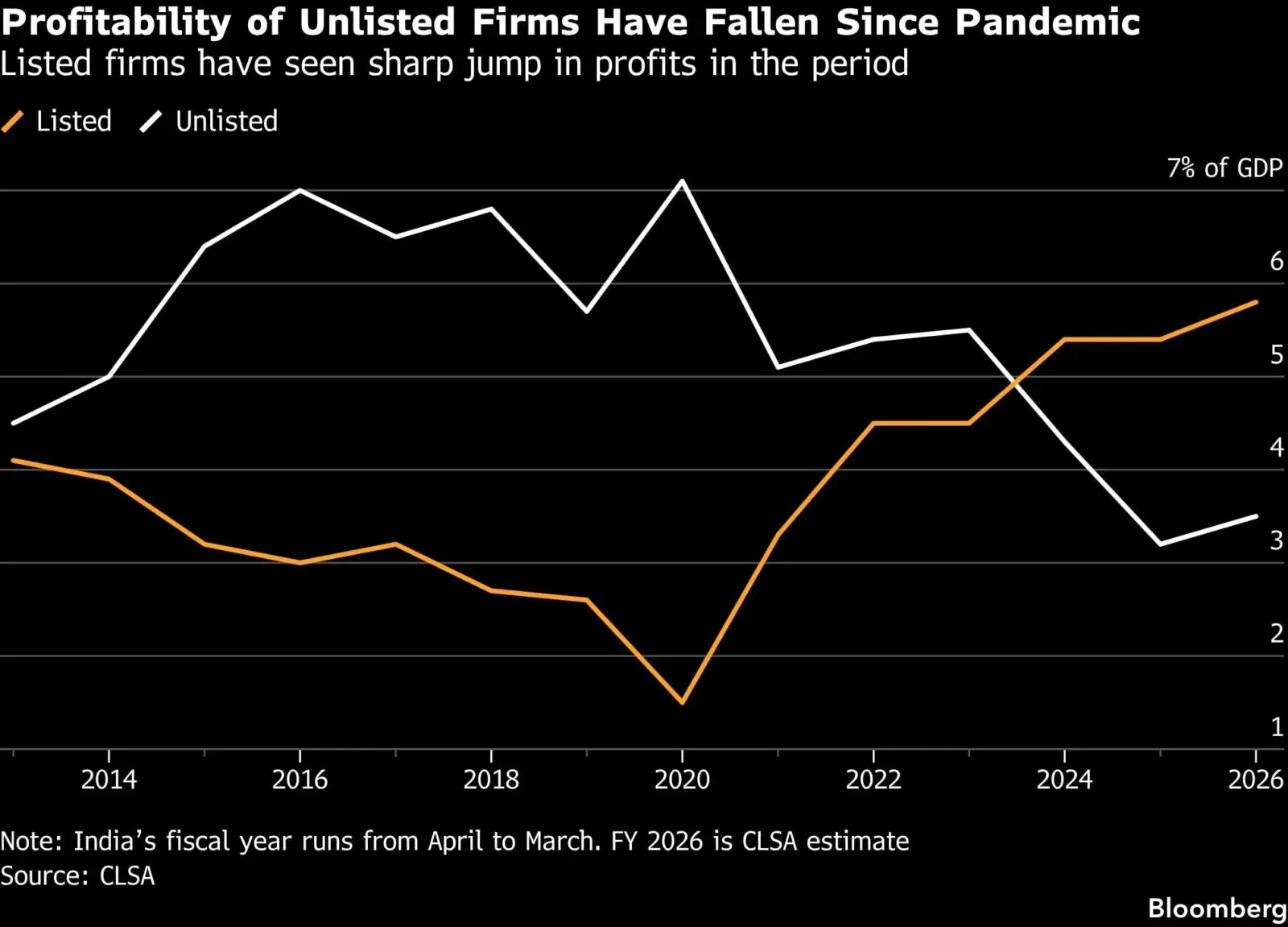
ThePrint reports that manufacturing has remained at 15% to 17% of GDP for about two decades, while private investment by non-financial companies stayed at 14.1% of GDP despite corporate tax savings estimated at Rs 5.4 trillion in the five years to March 2025. CLSA data cited by ThePrint puts the corporate sector’s share of total investment at 45%.
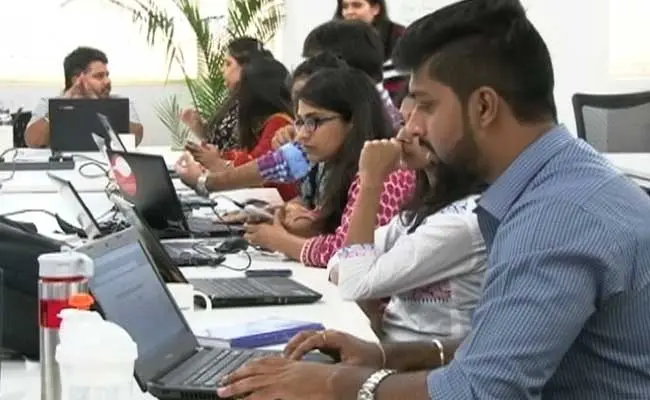
Businesses cited weak demand, cash flows, regulatory costs, cheap imports and shortages of skilled workers. Modi’s remarks have brought the gap between government incentives and corporate investment into focus.
Indian Opinion Analysis
The Hindu foregrounds the political force of Modi’s speech, using its setting at FICCI and questions on wages, jobs and product quality to frame a direct challenge to corporate India. ThePrint places the remarks inside a wider economic account, stressing stagnant private investment, weak profitability among unlisted firms and business complaints about demand and policy uncertainty. The first framing gives greater weight to the speech’s political message, while the second gives more space to constraints that companies say limit expansion. Together, the coverage indicates a dispute over whether incentives have produced enough capital formation and employment, with the cited investment share at 45% and private investment at 14.1% of GDP.
Coverage: 2 sources, 1 government-critical, 1 sensationalist
Sources (2): theprint.in (government critical), thehindu.com (sensationalist)
This brief was synthesised by AI from the 2 sources linked above, so one read covers every framing they carry. Methodology and corrections.