
















Now Reading: Nandurbar collector Mittali Sethi puts twins in anganwadi
-
01
Nandurbar collector Mittali Sethi puts twins in anganwadi


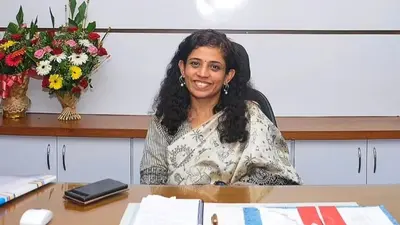
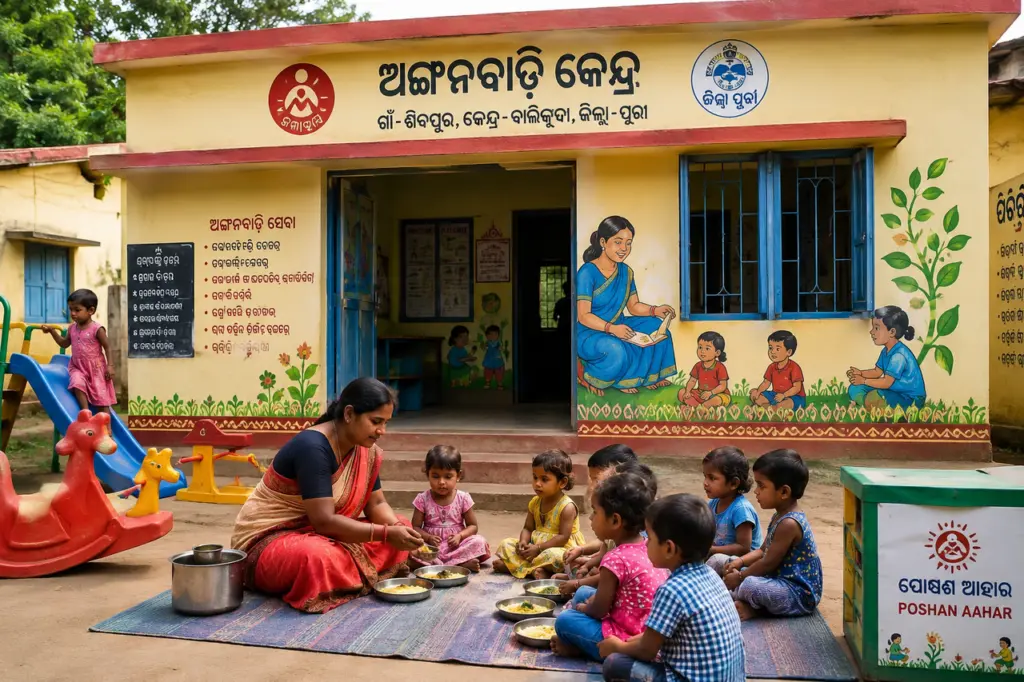
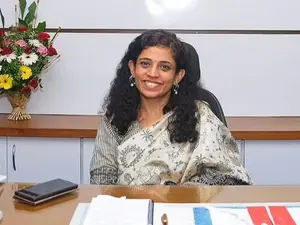
Mittali Sethi, the district collector of Nandurbar in Maharashtra, enrolled her twin sons in a government anganwadi when they turned three, drawing widespread attention. Speaking at the Future Female Forward event, Sethi said she chose the centre because she liked it and trusted its workers, not to make a policy statement. The Times of India and CNBC-TV18 report that she was inspired by an anganwadi worker who designed a comfortable jholi weighing sling with a local tailor, stopping children from crying.
Sethi said her parents and in-laws were initially sceptical, and she has occasionally wondered if she made the right choice. She argued that officials using public services can improve accountability, as she now pays closer attention to issues such as stagnant water and infrastructure deficiencies when visiting the centre. Her twins are now four and have remained at the anganwadi.
Indian Opinion Analysis
Both outlets give near-identical, sympathetic accounts of Sethi’s personal decision, focusing on the anganwadi worker’s jugaad solution. Neither outlet questions whether an IAS officer’s anecdotal choice is generalisable, nor do they examine systemic flaws in anganwadi infrastructure beyond Sethi’s own comment about stagnant water. The coverage is uniformly positive, portraying the move as an intuitive, mother-led choice rather than a policy endorsement. The shared framing sidesteps any broader debate about the quality or funding of government early childhood centres.
Coverage: 2 sources, 2 neutral
Sources (2): timesofindia.indiatimes.com (neutral report), cnbctv18.com (neutral report)
This brief was synthesised by AI from the 2 sources linked above, so one read covers every framing they carry. Methodology and corrections.