














Now Reading: NASA invites ISRO to join Moon base programme
-
01
NASA invites ISRO to join Moon base programme


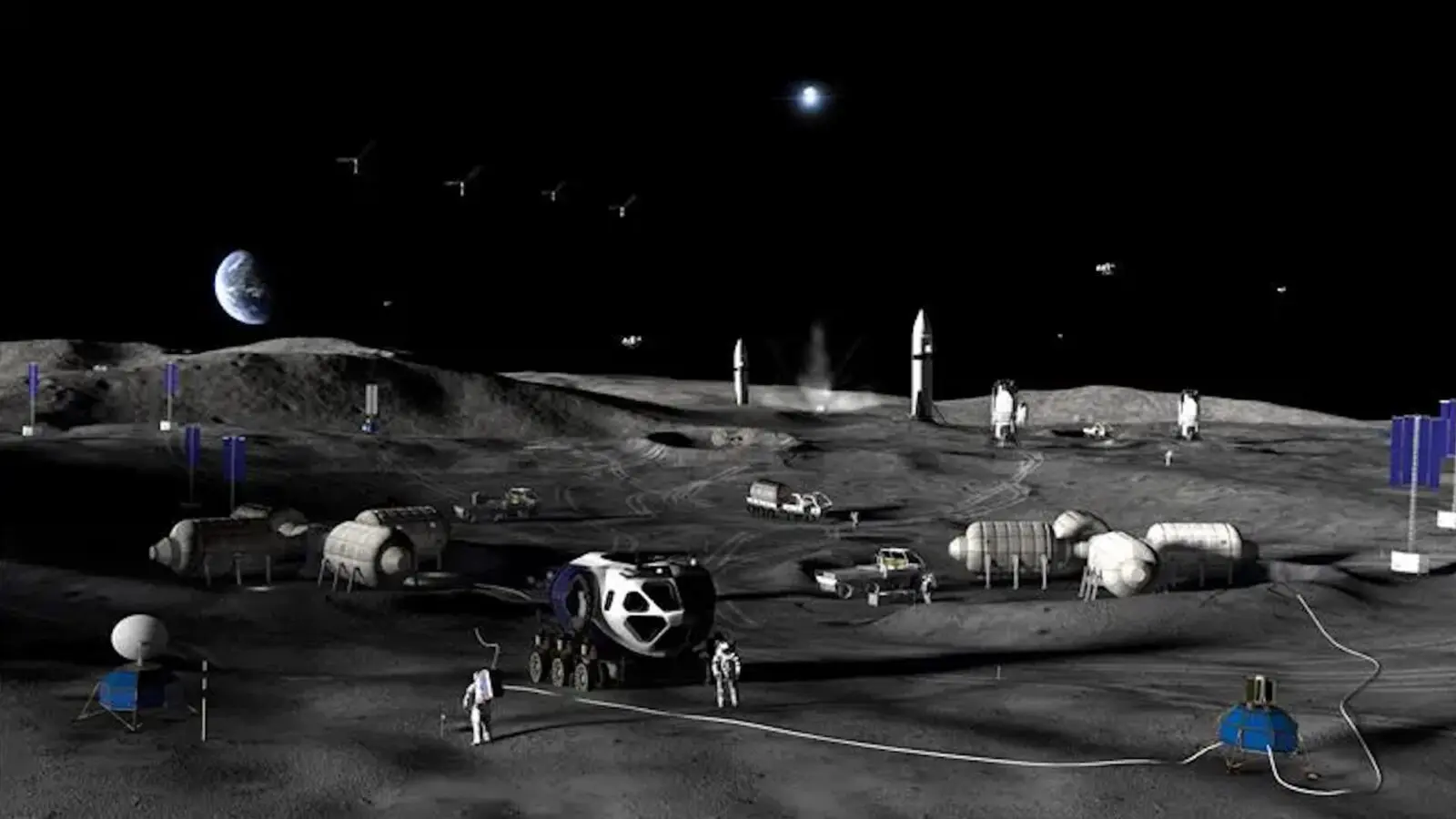
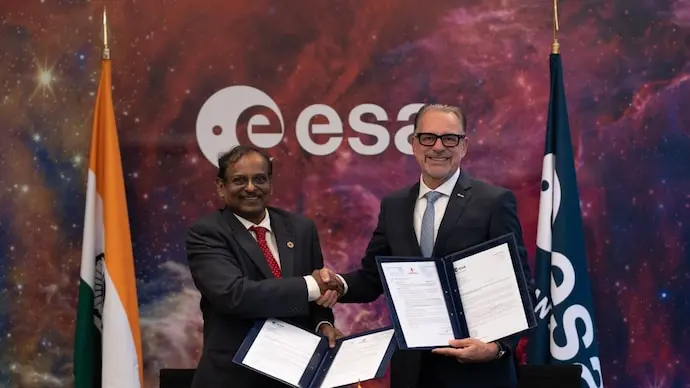
NASA has formally invited ISRO to join its planned Moon Base near the lunar south pole, marking a significant deepening of India-US space cooperation. The invitation was extended during the ninth meeting of the India-US Civil Space Joint Working Group held at ISRO headquarters in Bengaluru on August 5-6, 2026. Senior officials from ISRO, NASA and the US State Department attended, with ISRO Chairman V. Narayanan and US Ambassador to India Sergio Gor addressing the opening session.

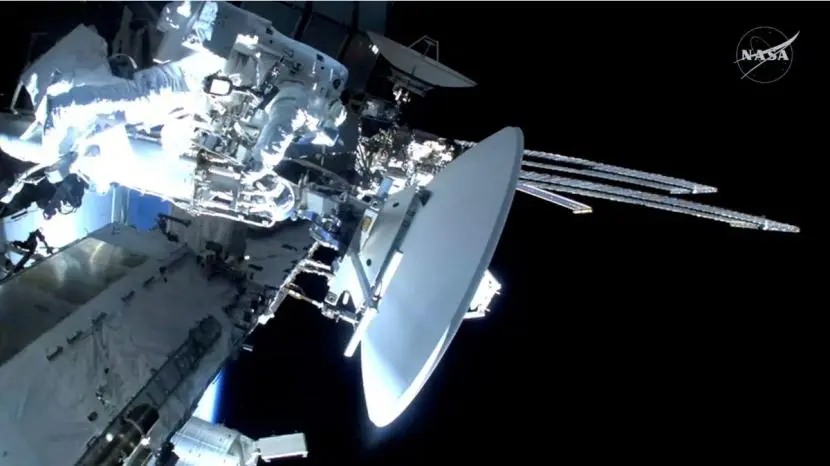
The Moon Base is planned in three phases: robotic scouting missions through 2029, initial operating capability from 2029-2032, and semi-permanent crew presence from 2032 onward. A US government official told India Today that India's cost-effective engineering, successful Chandrayaan-3 landing, and growing space capabilities make it a valuable partner. ThePrint reports that India must carefully assess whether joining the US-led programme could compromise its strategic autonomy in lunar exploration, noting that the Artemis Accords are developing a parallel governance system outside the UN framework.
India is already pursuing its own lunar roadmap, including the Chandrayaan-4 sample-return mission planned for 2027, a joint mission with Japan in 2028, and a long-term goal of landing Indian astronauts on the Moon by 2040. Official statements have not specified India's exact role or contributions to the Moon Base project.
Indian Opinion Analysis
Pro-government framings in Economic Times, India Today and The Federal lead with the prestige of the invitation and India's growing space stature, emphasising cost-effectiveness and Chandrayaan-3 success. ThePrint's editorial piece introduces strategic caution: it warns that Artemis Accords bypass UN governance and could constrain India's independent lunar policy. The measured read is that the invitation is a genuine diplomatic win but the details matter. The actual implementing agreement, which India has not yet signed, will determine how much autonomy ISRO retains. Watch for whether India negotiates co-leadership or remains a payload supplier.
Coverage: 6 sources, 1 pro-government, 1 government-critical, 4 neutral
Sources (6): m.economictimes.com (neutral report), theprint.in (neutral report), theprint.in (2) (government critical), space.com (neutral report), indiatoday.in (pro government), thefederal.com (neutral report)
This story was synthesised by AI from the 6 sources linked above. Methodology and corrections.
Updated: this story now draws on 6 sources.