
















Now Reading: Nepal parliament debates death penalty after 3-year-old’s rape-murder
-
01
Nepal parliament debates death penalty after 3-year-old’s rape-murder

Nepal parliament debates death penalty after 3-year-old’s rape-murder

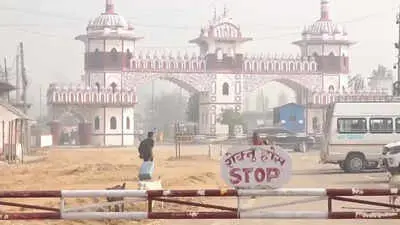
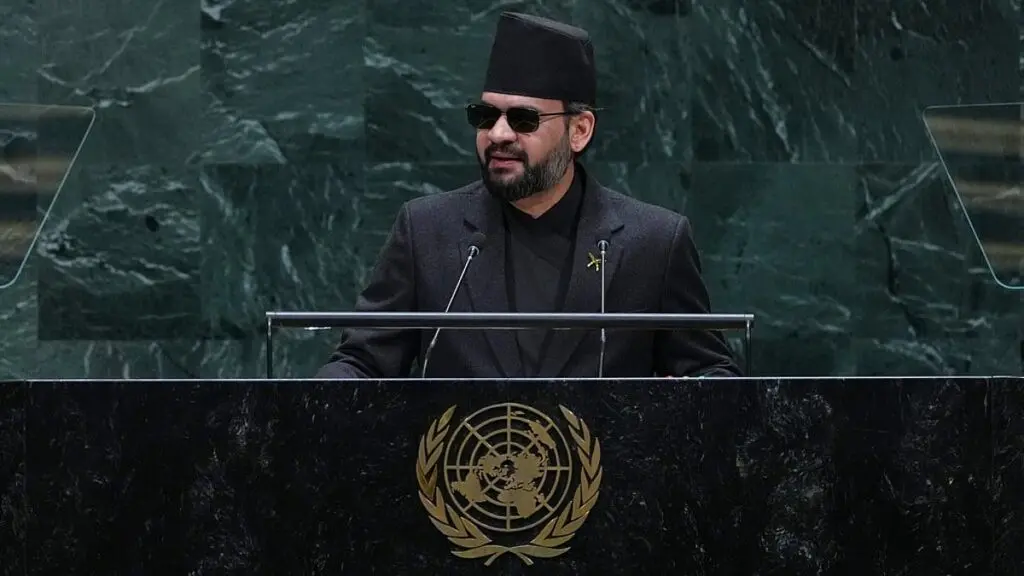
The rape and murder of a three-year-old girl in Nepal's Bara district, 25km from Raxaul in Bihar, has pushed parliament to debate reintroducing the death penalty, abolished constitutionally since 1990. The principal suspect is a 16-year-old neighbour, meaning if convicted he faces juvenile sentencing under the Children Act 2018, which caps punishment at two-thirds of the adult penalty. Lawmakers from the ruling Rastriya Swatantra Party demanded constitutional amendments to Article 16(2), which prohibits capital punishment, but minister Sobita Gautam told parliament the government cannot legislate beyond the Constitution.
The girl disappeared from Jeetpur-Simara on August 16 and her body was recovered two days later from an abandoned house near her home. Police have taken nine people into custody amid protests in Simara and Kathmandu over the response time. The government has formed a seven-member committee under the law ministry to recommend changes concerning sexual violence and offences against women and children within seven days.
Indian Opinion Analysis
Nepal abolished capital punishment constitutionally in 1990 and retained the ban in the 2015 Constitution, making it the only South Asian nation to completely prohibit the death penalty. The parliamentary debate triggered by the Bara case forces the government to reconcile public outrage with its treaty obligations under the International Covenant on Civil and Political Rights, which Nepal ratified with an optional protocol against the death penalty. The seven-member Garima Nyaya Sankalpa Samiti appointed under the law ministry will have a seven-day window to recommend amendments to sexual violence and child protection laws within the existing constitutional framework. The committee’s proposals, due by early September, will test whether Nepal can strengthen penalties for crimes against minors without reopening the capital punishment question that requires a constitutional amendment, which would need a two-thirds parliamentary majority and potentially a referendum.
Source: timesofindia.indiatimes.com
This brief was synthesised by AI from the source linked above. Methodology and corrections.